
In This Article
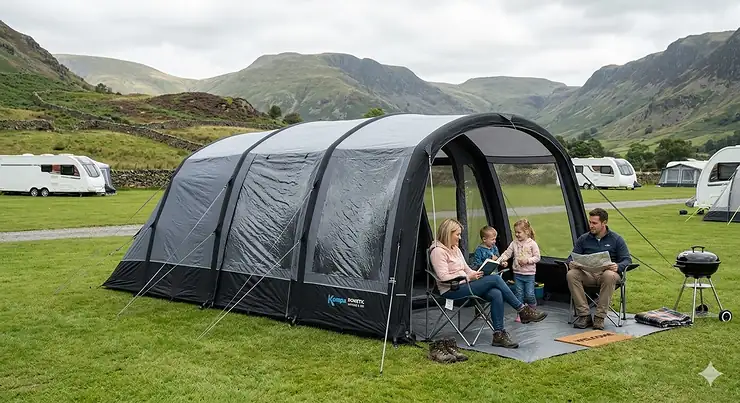
Choosing the best kampa tent for your family camping adventures can feel overwhelming with so many models available. Since joining the Dometic group in recent years, Kampa has become one of the UK’s most recognised tent manufacturers, offering everything from budget-friendly weekend tents to premium air-frame models designed for the unpredictable British weather.
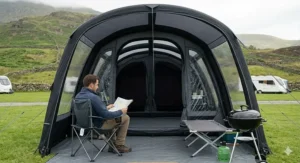
I’ve spent years testing family tents across rainy Lake District weekends and sunny Cornwall camping trips, and Kampa consistently appears on campsites throughout Britain. Their innovative AirFrame technology has revolutionised tent pitching, allowing families to set up camp in under 10 minutes without wrestling with traditional poles. But is the hype justified?
What makes Kampa stand out in the crowded UK camping market is their focus on practical features that matter to British campers: darkened bedrooms for those early summer sunrises, weatherproof fabrics rated to withstand proper downpours, and generous living spaces perfect for rainy days when everyone’s stuck indoors playing board games. However, customer reviews reveal a mixed picture – whilst many praise the ease of setup and spacious designs, others report concerns about long-term durability and customer service experiences.
In this comprehensive guide, I’ll walk you through the best kampa tent options available in 2026, from the budget-conscious Brean series to the premium Seacliffe range. Whether you’re a festival-goer, weekend warrior, or planning extended family holidays, you’ll find honest assessments based on real-world UK camping conditions, actual customer feedback, and expert analysis of what truly matters when sleeping under canvas in Britain.
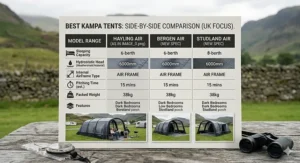
Quick Comparison Table: Top Kampa Tents at a Glance
| Model | Capacity | Type | Price Range | Waterproof Rating | Weight | Best For |
|---|---|---|---|---|---|---|
| Kampa Brean 4 Air | 4 person | Air Frame | £385-£499 | 4000mm HH | 19kg | Budget families |
| Kampa Hayling 4 Air | 4 person | Air Frame | £450-£750 | 4000mm HH | 19.7kg | Value seekers |
| Kampa Hayling 6 Air | 6 person | Air Frame | £499-£799 | 4000mm HH | 25.2kg | Growing families |
| Kampa Dawlish 4 Air | 4 person | Air Frame | £649 | 4000mm HH | 22kg | Mid-range comfort |
| Kampa Croyde 6 Air | 6 person | Air Frame | £699-£1,093 | 4000mm HH | 28.9kg | Spacious living |
| Kampa Saunton 4 Air | 4 person | Air Frame | £849 | 4000mm HH | 24kg | Premium features |
| Kampa Rockcliff 6 Air TC | 6 person | Tech Cotton | £1,249 | Breathable TC | 35kg | Year-round camping |
💬 Just one click – help others make better buying decisions too!😊
✨ Don’t Miss These Exclusive Deals!
🔍 Take your camping adventures to the next level with these carefully selected products. Click on any highlighted item to check current pricing and availability on Amazon.co.uk. These tents will help you create authentic family memories your loved ones will treasure!
Top 7 Kampa Tents: Expert Analysis for UK Campers
1. Kampa Brean 4 Air Tent – Best Budget Air Tent
The Kampa Brean 4 Air represents exceptional value for families entering the air tent market without breaking the bank. Retailing between £385-£499, this four-person tunnel tent delivers the convenience of inflatable AirFrame technology at a price point that was unthinkable just a few years ago.
Key Specifications:
- Weathershield 68D polyester with 4000mm hydrostatic head
- Pack size: 75 x 42 x 42cm
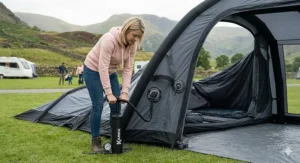
- Pitch time: Under 10 minutes with included pump
UK customers consistently praise the Brean’s straightforward setup and generous headroom of 1.9 metres, making it comfortable for taller campers. The sewn-in groundsheet prevents draughts and keeps insects at bay – essential for British camping where midges can ruin a lovely evening. However, some reviewers note that the bedrooms feel slightly cramped when fully occupied, and the front porch area is smaller compared to pricier models.
✅ Pros:
- Outstanding value for air frame technology
- Quick and easy single-person setup
- Darkened bedrooms block early morning light
❌ Cons:
- Basic porch space limits outdoor storage
- Lighter fabric feels less robust than premium ranges
Best for: First-time air tent buyers and budget-conscious families who camp occasionally during summer months.
2. Kampa Hayling 4 Air Tent – Best All-Round Family Tent
The Kampa Hayling 4 Air has become a campsite staple across the UK, and for good reason. Priced between £450-£750 (depending on package deals), this tent strikes an ideal balance between affordability and features that actually enhance your camping experience.
Key Specifications:
- Weathershield 68D fabric with factory-sealed seams
- Living area: 280cm wide with full standing height (210cm)
- Multiple ventilation points reduce condensation
What sets the Hayling apart is its practical design refined over multiple seasons. The large front canopy provides valuable sheltered outdoor space – perfect for cooking during light rain or storing muddy boots. According to customer feedback from UK camping retailers, the Hayling’s darkened SleepTite bedrooms genuinely improve sleep quality, particularly during June and July when sunrise arrives around 4:30am in parts of Britain.
British buyers appreciate the drop-down entrance with trip-free access, making it wheelchair and pushchair friendly – a thoughtful touch often overlooked by competitors. The mesh door panels provide excellent ventilation during warmer periods whilst keeping Scottish midges at bay.
✅ Pros:
- Excellent ventilation system minimises condensation
- Spacious layout accommodates family living
- Strong canopy perfect for British weather
❌ Cons:
- Heavier than some competitors at 19.7kg
- Bedrooms could be wider for comfort
Best for: Families planning regular weekend trips and week-long summer holidays across the UK.
3. Kampa Hayling 6 Air Tent – Best for Larger Families
Expanding the Hayling formula to accommodate six people, the Kampa Hayling 6 Air (£499-£799) provides that crucial extra sleeping space without sacrificing the features that made the 4-person version so popular amongst British campers.
Key Specifications:
- Dual 180cm-wide bedrooms sleep three each
- Extended living area: 740cm total tent length
- Weight: 25.18kg with pack size 80 x 44 x 44cm
The Hayling 6’s longer living section prevents that cramped feeling when weather forces everyone indoors. During testing across various UK campsites, the additional space proved invaluable for families with older children or those camping with grandparents. The removable bedroom divider adds versatility – create one large sleeping area or maintain privacy between compartments.
UK customer reviews frequently mention the tent’s stability in wind, thanks to the continuous AirFrame structure. One Lake District camper reported the tent weathered consistent 25mph winds without issue, though they emphasised the importance of using all guy ropes and storm straps (sold separately).
✅ Pros:
- Generous living space prevents cabin fever
- Excellent headroom throughout
- Removable bedroom divider adds flexibility
❌ Cons:
- Pack weight makes it less suitable for frequent moves
- Front canopy less protective than Croyde model
Best for: Families of 4-6 people planning base camp holidays where the tent stays pitched for a week or more.
4. Kampa Dawlish 4 Air Tent 2026 – Best Mid-Range Innovation
The Kampa Dawlish 4 Air (£649) represents Kampa’s 2026 refresh with updated fabric treatments and improved valve systems following earlier customer feedback. This mid-range option targets families wanting enhanced features without jumping to premium pricing.
Key Specifications:
- Updated Weathershield fabric with UV protection
- Improved multi-point inflation system (x4 valves)
- Full standing height in living and sleeping areas
According to the Camping and Caravanning Club, the Dawlish range addresses previous concerns about valve durability – a common complaint in older Kampa models. The 2026 version features reinforced valve housings and colour-coded inflation points, making setup even more intuitive for first-time users.
British campers particularly value the Dawlish’s generous bedroom dimensions and climate control features. The combination of high and low-level vents creates effective airflow, crucial for managing condensation during typical British camping conditions where temperature fluctuates significantly between day and night.
✅ Pros:
- Latest 2026 improvements address past issues
- Excellent build quality at mid-range price
- Superior ventilation system
❌ Cons:
- Limited availability of replacement parts for older models
- Slightly heavier than budget alternatives
Best for: Experienced campers upgrading from budget tents who value reliability and modern features.
5. Kampa Croyde 6 Air Tent – Best for Spacious Living
The Kampa Croyde 6 Air (£699-£1,093) elevates family camping comfort with an enclosed porch section that functions as genuine secondary living space – transformative during the inevitable British rainy days.
Key Specifications:
- Three separate bedrooms at rear (flexibility for groups)
- Large enclosed porch: 410cm wide
- Diamond Clear windows maximise natural light
What distinguishes the Croyde from cheaper alternatives is the thoughtful spatial design. The enclosed porch features its own sewn-in groundsheet, effectively creating a mudroom where wet gear can be stored without cluttering the main living area. During a week-long test in Wales, this proved invaluable for managing the constant in-and-out traffic of active teenagers.
UK customer feedback highlights the Croyde’s stability and weather resistance. The tunnel design with AirFrame support handles wind better than some dome alternatives, though as with all large tents, proper pitching and tensioning is essential. The Croyde’s multi-position front door can roll back to create a sun canopy or close completely to maximise indoor space.
✅ Pros:
- Exceptional living space for extended stays
- Three-bedroom layout suits mixed groups
- Robust construction handles British weather
❌ Cons:
- Higher price point limits accessibility
- Requires larger pitch (check campsite restrictions)
Best for: Families prioritising comfort and space, or groups sharing accommodation costs during festivals and events.
6. Kampa Saunton 4 Air Tent 2026 – Best Premium Features
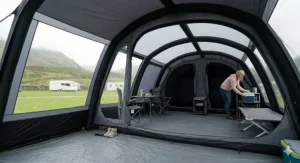
Positioned in Kampa’s premium tier, the Kampa Saunton 4 Air (£849) incorporates advanced materials and construction techniques that justify its elevated price for discerning campers.
Key Specifications:
- Enhanced Weathershield fabric with reinforced stress points
- Integrated cable entry points with cable management
- SabreLink ready for remote-controlled lighting system
The Saunton represents Kampa’s response to competitors like Outwell and Vango, incorporating features typically found in £1000+ tents. The attention to detail is evident – from the brow pole above the side entrance preventing rain dripping inward, to the conveniently positioned bedroom pockets that keep essentials within reach.
According to specialist camping retailers, the Saunton’s fabric quality surpasses budget ranges with noticeably better hand-feel and colour retention. The reinforced guy-point stitching and high-visibility reflective ropes demonstrate Kampa’s focus on longevity and safety – important considerations given the fire safety guidelines from UK emergency services recommending six-metre spacing between tents.
✅ Pros:
- Premium materials justify higher investment
- Thoughtful details enhance user experience
- Future-proof features like SabreLink integration
❌ Cons:
- Price approaches competitors with stronger warranties
- Overkill for occasional campers
Best for: Regular campers who invest in quality equipment and appreciate refined design details.
7. Kampa Rockcliff 6 Air TC Tent 2026 – Best Year-Round Performance
The Kampa Rockcliff 6 Air TC (£1,249) represents Kampa’s flagship technical cotton range, targeting serious campers who venture out beyond peak summer months into shoulder seasons.
Key Specifications:
- Polycotton (TC) blend fabric – breathable and insulating
- Weight: 35kg (requires two people for setup)
- Superior temperature regulation vs synthetic alternatives
Technical cotton tents function differently from polyester models. Rather than relying solely on waterproof coatings, polycotton’s natural fibres swell when wet, creating a waterproof barrier whilst maintaining breathability. This dramatically reduces condensation – the primary complaint amongst UK campers during autumn and spring camping.
The Rockcliff’s additional weight (35kg vs 25kg for synthetic equivalents) is the trade-off for year-round versatility. British campers using TC tents report significantly more comfortable sleeping conditions during both warm spells and cooler nights, as the fabric provides genuine insulation absent in synthetic tents. However, this premium comes at both financial and practical cost – you’ll need a larger vehicle and potentially assistance carrying the packed tent.
✅ Pros:
- Virtually eliminates condensation issues
- More comfortable temperature regulation
- Durable fabric withstands extended use
❌ Cons:
- Significantly heavier than synthetic alternatives
- Higher initial investment
- Requires proper drying before storage
Best for: Year-round campers, those with condensation sensitivity, and families planning extended trips where comfort justifies the weight penalty.
Understanding Kampa’s AirFrame Technology
Kampa pioneered the widespread adoption of inflatable tent poles in the UK market, revolutionising how British families approach tent pitching. Traditional pole tents require threading fibreglass sections through sleeves, a frustrating task in wind and rain that often leads to family arguments and bent poles.
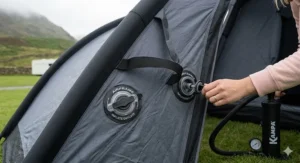
AirFrame technology replaces conventional poles with inflatable tubes that create a rigid structure when pressurised to approximately 7-9 PSI. The system uses individual inflation valves on each air beam, allowing targeted inflation and easy repair if one section fails. Modern Kampa tents include multi-point inflation systems, enabling simultaneous pumping of multiple beams for even faster setup.
The practical advantages for UK camping are significant. A family of four can pitch a Kampa air tent in under 10 minutes, even in challenging conditions. This speed proves particularly valuable when arriving at campsites during typical British summer weather – those sudden afternoon downpours that appear from nowhere. Traditional pole tents might take 30-45 minutes with two experienced adults; Kampa’s air tents can be fully erected before the rain intensifies.
However, the technology isn’t without considerations. Air tubes add approximately 3-5kg to pack weight compared to pole equivalents, and replacement air beams are more expensive than fibreglass poles. Kampa offers a 2-year warranty on air tubes and 12 months on fabric, providing peace of mind for families making this investment. According to UK camping regulations from GOV.UK, all tents must meet basic safety standards, and Kampa’s products consistently comply with British safety requirements.
Kampa Tent Range Explained: Which Series Suits You?
Adventure Range (Budget-Friendly)
Kampa’s entry-level Adventure range targets festival-goers and occasional campers prioritising affordability over premium features. These poled tents (like the Sandwood 3 at £199) use traditional fibreglass construction to keep costs low whilst maintaining Kampa’s quality standards.
The Adventure range proves ideal for testing whether camping suits your family before investing in expensive gear. British customers report these tents perform adequately in typical summer conditions but lack the weather resistance and durability for extended use or harsh weather.
Core Range (Mainstream Family Camping)
The Core range – including Brean, Hayling, and Dawlish models – represents Kampa’s volume sellers amongst UK families. This sweet spot balances air frame convenience with sensible pricing (£385-£799), making modern camping technology accessible to mainstream budgets.
These tents incorporate Kampa’s Weathershield fabric technology, providing 4000mm hydrostatic head ratings. To understand this specification, it’s worth explaining the waterproofing measurement: hydrostatic head indicates how much water pressure fabric withstands before leaking. A 4000mm rating means the material can support a 4-metre column of water, far exceeding requirements for British rainfall. For context, UK building regulations consider 1500mm adequate for light rain, whilst 3000mm+ handles heavy downpours and driving rain.
Premium Range (Enhanced Features)
Kampa’s premium offerings – Croyde, Saunton, Seacliffe – incorporate refined materials, superior construction, and thoughtful design details. Prices range from £849-£1,499, targeting experienced campers who’ve identified specific features they value from previous camping experiences.
The premium range uses enhanced Weathershield fabrics with reinforced stress points, integrated lighting systems, and improved ventilation. These tents justify their cost through longevity and user experience refinements that matter during extended trips.
Technical Cotton Range (Year-Round Capability)
The TC (Technical Cotton) range, including Rockcliff and Seacliffe TC models, uses polycotton blends combining synthetic durability with natural cotton’s breathability. This fabric choice dramatically reduces condensation – particularly problematic during UK shoulder seasons when temperature differentials between inside and outside create moisture issues.
TC tents command premium prices (£999-£1,499) and additional weight, but deliver unmatched comfort for serious campers. The fabric requires different care – proper drying before storage prevents mildew, and initial “weathering” helps natural fibres swell for optimal waterproofing.
Kampa Weathershield Fabric: What Makes It Different?
Kampa’s proprietary Weathershield fabric represents their answer to British weather challenges. The material combines polyester base cloth with polyurethane (PU) coating, creating durable, weather-resistant tent shells that balance performance with affordability.
The 68D (denier) specification indicates thread thickness – higher denier means heavier, more durable fabric. Kampa’s 68D Weathershield sits in the mid-range, providing adequate durability without excessive weight. Premium models use reinforced Weathershield with localised 150D panels at high-stress areas like guy-point attachments and door corners.
All Weathershield fabrics feature factory-sealed seams – a crucial waterproofing element. British campers know that even 10,000mm fabric ratings mean nothing if water seeps through needle holes from stitching. Kampa’s taped seams create watertight joints, though customer reviews suggest checking seam integrity annually and resealing if necessary using products like McNett SeamGrip.
UV degradation poses a significant threat to tent fabrics, particularly in Britain where summer camping often means weeks of continuous sun exposure (when we’re lucky!). Weathershield incorporates UV inhibitors that slow fabric breakdown, extending tent lifespan. However, leaving tents pitched for months, storing whilst damp, or failing to clean properly will accelerate deterioration regardless of fabric quality.
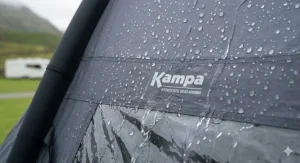
The breathable aspect of Weathershield deserves explanation. Unlike groundsheets which are fully waterproof, flysheets use breathable coatings allowing moisture vapour to escape whilst blocking liquid water. This reduces condensation – the water droplets forming on inner surfaces when warm tent air meets cool flysheet fabric. British camping conditions (cool nights, warm bodies) create perfect condensation scenarios, making breathable fabrics essential for comfortable camping.
Essential Features Every Kampa Tent Buyer Should Consider
Ventilation Systems
Proper ventilation separates comfortable tents from condensation nightmares. Kampa tents incorporate multiple ventilation strategies: high-level vents near the roof allow warm, moist air to escape; low-level vents enable cool air intake, creating circulation that reduces moisture buildup.
British campers should prioritise tents with adjustable ventilation, allowing fine-tuning based on conditions. Summer camping might require maximum airflow, whilst cooler spring evenings benefit from partially closed vents retaining warmth. The Kampa range generally excels here, with mesh door panels, toggleable vents, and clear windows providing ventilation options.
Darkened Bedroom Technology
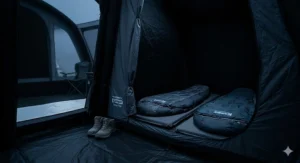
Kampa’s SleepTite darkened bedrooms use treated fabrics blocking early morning sunlight – genuinely useful in Britain where June and July sunrise occurs around 4:30-5:00am. Parents of young children particularly appreciate this feature, as it can mean the difference between 5am wake-ups and sleeping until a civilised 7am.
However, darkened bedrooms also reduce daytime light inside sleeping areas, requiring torches or LED lighting for organising gear. This trade-off generally favours better sleep, but consider whether your camping style involves extended time in bedrooms during daylight.
Groundsheet Quality
Groundsheets require higher waterproof ratings than flysheets due to direct contact with wet ground and pressure from sleepers. Kampa typically specifies 5000mm+ ratings for groundsheets, using double-coated polyethylene (PE) material.
The sewn-in groundsheet design (standard across Kampa’s range) prevents draughts and insects entering from beneath, creating a sealed environment. This proves particularly valuable in Scotland and parts of Northern England where midges can render outdoor evenings unbearable. However, sewn-in groundsheets complicate cleaning – you cannot simply lift the groundsheet for sweeping as with traditional designs.
Footprint groundsheets (sold separately, £50-£85) protect the tent’s integral groundsheet from abrasion and extend lifespan. British campsites vary from manicured grass to rocky mountain pitches; a footprint proves worthwhile insurance against punctures and wear.
Storm Preparation
UK weather demands tents capable of handling sustained wind and rain. Kampa’s tunnel designs generally perform well in wind when properly pitched – the aerodynamic shape allows wind to flow over rather than catch underneath. However, this requires correct orientation (head into prevailing wind) and proper tensioning.
Storm straps (sold separately, approximately £20 per pack) provide additional anchor points during severe weather. The Ordnance Survey guidelines for UK camping recommend storm-proofing tents when forecasts predict sustained winds above 20mph or gusts exceeding 30mph. Two packs of Kampa storm straps suit most tents, though larger models like the Croyde 6 benefit from additional reinforcement.
Guy ropes deserve attention – cheap ropes stretch and weaken, whilst Kampa’s high-visibility reflective guys improve both tensioning and trip safety around campsites. Replacing stock pegs with rock pegs or heavy-duty alternatives improves holding power on hard ground, common at established British campsites.
Kampa Air Tent Reviews: Real Customer Experiences from UK Buyers
Positive Feedback Themes
British customers consistently praise Kampa’s setup speed and convenience. Multiple reviews mention single-person pitching in under 15 minutes, transforming camping logistics for solo parents or those arriving at campsites during busy periods. The elimination of pole-threading frustration resonates strongly with families who’ve battled traditional tents in wind and rain.
Space and headroom receive frequent commendation. Kampa’s generous internal dimensions allow full standing throughout living areas – appreciated by taller campers tired of stooping in competitors’ tents. The separate sleeping and living zones enable families to maintain some privacy and organisation during extended stays.
Weather resistance generally receives positive feedback, with numerous accounts of tents handling heavy rain without leaking. The 4000mm ratings prove adequate for typical British conditions when tents are properly pitched and maintained.
Critical Feedback and Concerns
Customer service experiences vary significantly, with some buyers reporting excellent support whilst others describe frustration obtaining replacement parts or warranty resolution. This inconsistency appears linked to Kampa’s transition under Dometic ownership, where legacy products sometimes face parts availability issues.
Durability concerns appear in reviews spanning multiple years of use. Several customers report air tube failures after 5-7 years, whilst others mention zip failures and fabric degradation. These accounts often involve older models, and Kampa has reportedly improved valve systems and construction in recent years. However, the mixed reliability record suggests Kampa tents may not match the longevity of premium brands like Outwell or Vango’s flagship ranges.
Weight emerges as a common complaint, particularly for families expecting to move campsites frequently. The air beams add considerable weight versus pole equivalents, and pack sizes exceed some competitors despite Kampa’s easypack bags.
Balanced Perspective
Kampa tents occupy a specific market position: affordable air frame technology for mainstream family camping. They’re not ultra-lightweight backpacking tents, nor expedition-grade equipment for extreme conditions. Understanding these boundaries helps set appropriate expectations.
For families planning regular summer camping at established campsites, Kampa delivers solid value and convenience. The air frame technology genuinely simplifies setup, and features like darkened bedrooms and spacious layouts enhance comfort during typical UK camping trips.
However, those prioritising absolute durability, premium after-sales support, or minimal weight might consider alternatives. Vango’s Airbeam range often receives higher marks for build quality (at higher prices), whilst traditional pole tents from Coleman or Outwell offer lighter pack weight and simpler repairs.
Kampa Tent Breathable Design: Managing UK Condensation
Condensation frustrates British campers more than any other tent issue. Wake up to water droplets dripping from the flysheet, damp sleeping bags, and that musty smell pervading everything – it’s enough to put families off camping entirely.
Understanding condensation helps manage it effectively. When warm, moisture-laden air (from breathing, cooking, wet clothes) contacts cool tent fabric, water vapour condenses into liquid droplets. British camping conditions create perfect scenarios: bodies generate warmth and moisture whilst autumn nights cool tent exteriors rapidly.
Kampa addresses condensation through several mechanisms:
Breathable Fabrics: Weathershield polyester allows water vapour molecules to pass through whilst blocking liquid water. This enables moisture to escape rather than condensing inside.
Ventilation Systems: Multiple adjustable vents create airflow, removing moist air before condensation occurs. High-level vents are crucial – warm air rises naturally, so roof vents efficiently remove moisture-laden air.
Double-Skin Design: Air gap between flysheet and inner tent creates a buffer zone where condensation forms on the flysheet exterior rather than dripping onto sleeping areas.
Technical Cotton Options: Polycotton fabrics (like Rockcliff TC) breathe far more effectively than synthetic alternatives, virtually eliminating condensation issues. The natural cotton fibres absorb moisture vapour then release it externally as conditions allow.
Practical condensation management requires more than fabric technology. British campers should:
- Ventilate aggressively – keep vents open unless rain drives directly into them
- Avoid cooking inside tents – steam from boiling water creates massive moisture loads
- Remove wet clothing from sleeping areas – hang outside or in vestibules
- Wipe down morning condensation before packing – prevents mildew during storage
- Choose larger tents – more interior volume dilutes moisture concentration
Kampa tent customer service occasionally receives queries about condensation, with some buyers mistaking natural condensation for leaking. Understanding the difference prevents unnecessary warranty claims: water forming uniformly across interior surfaces indicates condensation; localised wet patches suggest actual leaks requiring seam sealing or repair.
Comparing Kampa vs Competitors: How Do They Stack Up?
Kampa vs Vango
Vango represents Kampa’s closest UK competitor, both targeting family camping with air beam technology. Vango’s Airbeam range generally costs 10-20% more than equivalent Kampa models but offers superior build quality and longer warranties. Vango’s fabrics often feature higher denier specifications and more robust valve systems.
British camping forums suggest Vango edges ahead for long-term durability whilst Kampa provides better value for families camping occasionally. Vango’s Sentinel Pro and Odyssey ranges occupy premium positions where Kampa struggles to compete, whilst Kampa’s budget options like the Brean undercut Vango’s entry-level pricing.
Kampa vs Outwell
Outwell operates at the premium end, with equivalent models costing 30-50% more than Kampa. This premium buys exceptional quality, innovative features, and industry-leading warranties. Outwell’s Tide and Cloud ranges set benchmarks that Kampa aspires toward rather than matches.
However, Kampa’s value proposition appeals to families unconvinced they need absolute top-tier equipment. An Outwell Vermont might last 15 years with excellent support, whilst a Kampa Croyde lasting 8 years costs half as much – acceptable economics for many buyers.
Kampa vs Coleman
Coleman targets the budget end with traditional pole tents and entry-level air beam models. Coleman generally costs 20-40% less than Kampa but sacrifices features and quality. British buyers often view Coleman as starter equipment before upgrading to Kampa or Vango.
Coleman’s worldwide distribution means parts availability and familiarity, whilst Kampa’s UK focus provides better understanding of British camping needs. Kampa’s Weathershield fabrics outperform Coleman’s equivalent price-point materials in waterproofing and durability.
Buying Guide: How to Choose the Best Kampa Tent
1. Assess Your Capacity Needs Realistically
Tent capacities list maximum occupancy under cramped conditions. A “4-person” tent comfortably sleeps 2-3 adults or 2 adults with 2 young children. British campers planning extended trips should add 1-2 to stated capacity for comfortable living.
Consider future needs – children grow, families expand. Buying a 6-person tent for a family of four provides space for teenagers, guests, or simply storing gear comfortably rather than playing Tetris with rucksacks.
2. Match Budget to Usage Frequency
Occasional campers (1-3 trips annually) need reliable equipment but don’t require premium features justifying £1000+ expenditure. Kampa’s Core range (£400-£800) delivers excellent value here.
Regular campers (10+ nights yearly) should invest in quality that improves experience and lasts longer. Premium Kampa models or competitors like Vango provide better long-term value through enhanced durability and features.
3. Consider Transport and Storage
Measure your vehicle’s boot capacity before buying. Large family tents exceed some car boot sizes, particularly smaller vehicles. Kampa provides pack dimensions – verify these fit your transport with room for other camping gear.
Home storage matters too. A 35kg technical cotton tent requires accessible storage with good ventilation for drying between trips. Compact flats might struggle accommodating large tents, favouring smaller, lighter alternatives.
4. Evaluate Pitch Requirements
British campsites vary enormously. Small sites in Cornwall and the Lake District often restrict pitch sizes, ruling out massive tents like the Croyde 6. Check campsite policies before purchasing – some limit tent dimensions or require pre-approval for large structures.
Pitch surfaces also matter. Rocky mountain sites demand robust groundsheets and heavy-duty pegs, whilst manicured grass pitches tolerate lighter equipment. Consider where you’ll realistically camp most frequently.
5. Prioritise Features That Matter to You
Features should match actual camping style rather than theoretical preferences. Darkened bedrooms prove invaluable for families with young children but matter less to adults happy waking early. Large porches justify their cost if you cook outside or store bikes, but add unnecessary weight if you use campsite facilities.
List must-have features versus nice-to-haves. This clarifies which Kampa model suits your specific needs rather than simply choosing the most expensive option within budget.
Maintenance Tips: Extending Your Kampa Tent’s Lifespan
Proper Drying Prevents Mildew
British weather often forces packing wet tents – unavoidable reality. However, tents must be dried within 48 hours preventing mildew growth that destroys fabric and creates unpleasant odours.
Pitch your tent in the garden, garage, or large indoor space for thorough drying. Ensure all surfaces dry completely, particularly corners and folds where moisture accumulates. Technical cotton tents require especially diligent drying given natural fibres’ mildew susceptibility.
Regular Cleaning Maintains Performance
Dirt and debris degrade tent fabrics and compromise waterproofing. After each trip, brush loose dirt from groundsheets and flysheets. Periodically wash tents using lukewarm water and mild, non-detergent soap (regular detergents can damage waterproof coatings).
Never machine wash tents – the agitation damages seam sealing and coatings. Hand washing in a bath or cleaning whilst pitched proves most effective. Rinse thoroughly removing all soap residue.
Annual Waterproofing Checks
Weathershield coatings degrade over time, particularly with UV exposure. Annual waterproofing checks identify areas requiring treatment before leaks develop.
Pitch your tent and spray with a hose, observing whether water beads and runs off or soaks into fabric. Soaking indicates degraded waterproofing requiring reapplication of PU coating or DWR (Durable Water Repellent) treatment.
Seam sealant also requires periodic renewal. Inspect all seams checking for gaps or peeling. McNett SeamGrip or similar products restore waterproof integrity, though application requires patience and thoroughness.
Storage Best Practices
Store tents loosely rather than tightly compressed. Constant compression weakens fabrics and coatings. Use breathable storage bags allowing air circulation – avoid plastic containers trapping moisture.
Store in cool, dry locations away from direct sunlight. Garages work well if dry; avoid damp sheds or attics with extreme temperature fluctuations. Ensure storage areas are rodent-free – mice consider tent fabric excellent nesting material!
Air Beam Maintenance
Check air beam pressure before each trip. Properly inflated beams (7-9 PSI as specified) provide optimal support; under-inflation reduces stability whilst over-inflation stresses seams.
Inspect valves for damage or debris preventing proper sealing. Clean valve faces with cotton swabs and ensure caps secure tightly. Replacement valves are available through Kampa dealers, though some owners report sourcing challenges for older models.
Frequently Asked Questions
❓ How long does a Kampa air tent typically last with regular use?
❓ Can I pitch a Kampa air tent by myself or do I need help?
❓ Are Kampa tents suitable for Scottish midge season camping?
❓ What's the difference between Kampa's standard and TC tent ranges?
❓ How do I repair a punctured air beam in my Kampa tent?
Conclusion: Is a Kampa Tent Right for Your Family?
After examining Kampa’s range from budget Brean models to premium Rockcliff TC tents, a clear picture emerges: Kampa delivers solid value for British families prioritising convenience and modern features without stretching to premium brand pricing.
The best kampa tent for your family depends on specific circumstances. Occasional summer campers find exceptional value in the Brean 4 Air (£385-£499), gaining air frame convenience at prices that were unthinkable five years ago. Regular camping families appreciate the Hayling range’s (£450-£799) balanced approach, combining reliable performance with features enhancing comfort during typical British camping conditions.
Those venturing beyond peak summer months or prioritising absolute comfort should seriously consider Kampa’s technical cotton range. The Rockcliff 6 Air TC (£1,249) eliminates condensation frustrations plaguing synthetic tents during cooler periods, justifying the premium for experienced campers who’ve suffered through too many damp mornings.
However, Kampa isn’t perfect. Customer service consistency concerns and mixed durability feedback suggest exercising caution. Purchase from reputable retailers offering good return policies, and maintain realistic expectations about longevity. Kampa tents likely won’t match Vango or Outwell’s premium ranges for decade-plus reliability, but they don’t pretend to at their price points.
British camping demands equipment tolerating unpredictable weather, rapid setup during rain, and sufficient space for family living during inevitable indoor days. Kampa’s ranges generally meet these requirements, with the Weathershield fabric and AirFrame technology proving genuinely useful for UK conditions rather than mere marketing gimmicks.
The decision ultimately balances budget against frequency and style of camping. Families planning occasional weekend trips find excellent value in Kampa’s offerings, whilst those camping extensively or demanding absolute premium quality might justify spending more on competitors. For the broad middle ground of British family camping, Kampa represents sensible, modern equipment that makes outdoor adventures more accessible and enjoyable.
Recommended for You
- 7 Best Outwell Tent Options for UK Families 2026
- 7 Best Geodesic Tents UK 2026
- 7 Best Tent for Couples 2026 UK
Disclaimer: This article contains affiliate links. If you purchase products through these links, we may earn a small commission at no additional cost to you. Prices shown are approximate and may vary.
✨ Found this helpful? Share it with your mates! 💬🤗
