
In This Article
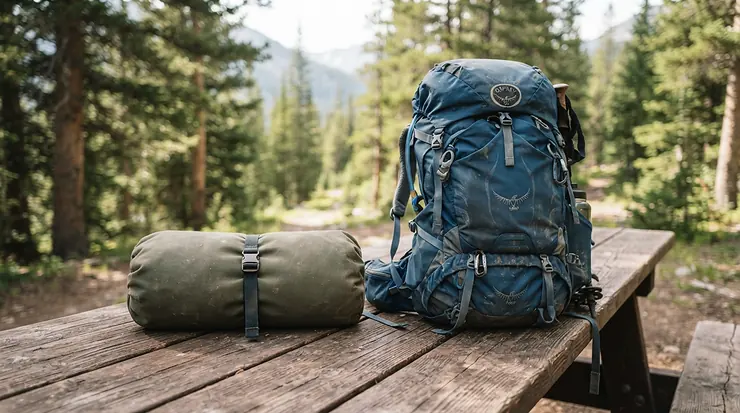
A cotton sleeping bag liner is a thin, washable sleeping sheet, usually shaped like a rectangle or a tapered mummy, that slips inside your sleeping bag or works alone on warm nights. It keeps sweat, skin oils and grime off your bag, adds a few degrees of warmth and gives you a clean barrier in shared accommodation.

That’s the textbook answer. The real answer is more fun.
A cotton sleeping bag liner is the cheapest upgrade in outdoor kit. Your sleeping bag is a bulky, expensive thing that hates being washed and takes ages to dry. The liner is the sacrificial layer. It takes the sweat, the suncream and the festival-field grime, then goes in the washing machine while your bag stays pristine.
There’s a hostel angle too. Bed bugs turn up in hostels, and travel health specialists at Nomad Travel note that they can also reach perfectly respectable hotels by hitching a ride in luggage. A liner doesn’t make you invincible, but it puts a layer of your own fabric between you and a stranger’s mattress.
In this guide I compare seven real liners, from budget to premium, for summer camping, Duke of Edinburgh expeditions, Interrailing and campsite weekends. I explain what each spec means in practice and what reviewers say, and I’m upfront about the gaps where I couldn’t verify something. Prices are indicative ranges only, so check current listings before you buy.
Quick Comparison Table: Cotton Sleeping Bag Liner Options at a Glance
| Product | Fabric | Approx. weight | Indicative price range | Best For |
|---|---|---|---|---|
| Lifeventure Cotton Sleeping Bag Liner (rectangular, 65540) | 100% cotton | ~418 g | Under £25 | Budget, DofE and first-timers |
| Lifeventure Cotton Sleeping Bag Liner with Pillow Sleeve | Cotton | Check listing | Under £30 | All-round summer camping |
| Cocoon TravelSheet Egyptian Cotton | Egyptian cotton | ~260 g | Premium cotton bracket | Light packers who want cotton softness |
| Cocoon Organic Cotton MummyLiner | Organic cotton | ~380 g | Mid to upper range | Eco-minded campers |
| Outwell Cotton Double Sleeping Bag Liner | Cotton / blend (check label) | ~750 g | Mid range | Couples and double sleeping bags |
| Naturehike CL075 Cotton Sleeping Bag Liner | 100% cotton | Not verified | Around £20-£30 | Hostels and pillow hygiene |
| Snugpak Polycotton Liner | 10% cotton, 90% polyester | ~300 g | Around £15-£25 | Packability on a budget |
Looking at the table, the two Lifeventure liners deliver the most cotton for the least money, and they’re the safest starting point if you’re unsure. The Cocoon TravelSheet Egyptian Cotton costs more but drops roughly 150 g compared with the plainer cotton options. The Snugpak Polycotton Liner is the lightest of the lot, but it’s mostly polyester, so it’s a compromise rather than a true cotton pick.
💬 Just one click — help others make better buying decisions too!😊
Top 7 Cotton Sleeping Bag Liner Picks: Expert Analysis
1. Lifeventure Cotton Sleeping Bag Liner — best budget all-rounder
The Lifeventure Cotton Sleeping Bag Liner (rectangular, part number 65540) is the classic. It’s 100% cotton, comes in a ripstop-style carry bag and is recommended by the Duke of Edinburgh’s Award.
Retailer data lists the weight at around 418 g. That’s roughly three times the weight of a silk liner, so it isn’t an ultralight choice. In return you get a fabric that feels like a proper bed sheet, survives repeated hot-ish washes and doesn’t snag on zips the way fine silk can.
On paper, the rectangular cut is the sociable shape. You can roll over, tuck your knees up and wriggle in a hot tent without feeling mummified. It also suits wider sleeping bags, where a narrow mummy liner would bunch.
Reviewer sentiment is strongly positive. One major retailer listing showed 4.7 stars across nearly a hundred reviews when I checked. Common themes are value, softness and durability, and the typical complaints are bulk and slow drying. I haven’t verified individual long-term durability claims, so treat those as general impressions.
Pros:
- ✅ Genuine 100% cotton at a low price
- ✅ Roomy rectangular cut with easy movement
- ✅ DofE-recommended and reliably durable
Cons:
- ❌ Heavier and bulkier than silk or synthetics
- ❌ Slower to dry after washing
Price range: under £25. At that cost, a few nights of use make it a bargain.

2. Lifeventure Cotton Sleeping Bag Liner with Pillow Sleeve — best for all-season versatility
The Lifeventure Cotton Sleeping Bag Liner with Pillow Sleeve adds the one feature the plain model lacks: an integrated pocket that holds your pillow in place. Reviewers in a major outdoor buying guide named it the best liner for versatility. It’s rated suitable for all seasons, and the cotton isn’t organic.
The pillow sleeve matters more than it sounds. If you’ve ever woken up with your pillow halfway across the tent, you’ll see why. It also keeps your face off whatever pillow the hostel provides, which suits the hostel hygiene liners crowd.
My analysis: this is the pick if you can only afford one liner for camping, hostels and the odd visit to a friend’s sofa. The extra pocket makes it easier to use alone on summer nights, when you aren’t relying on a sleeping bag to keep the pillow in position.
User reports on this specific variant are thinner than for the plain rectangular liner. The consensus from the guide I read was positive, and I couldn’t verify a large review pool, so treat the overall rating as indicative.
Pros:
- ✅ Integrated pillow sleeve keeps bedding tidy
- ✅ Suitable for all seasons per the maker
- ✅ Cotton comfort for hot nights alone
Cons:
- ❌ Cotton isn’t organic or low-impact
- ❌ Weight not verified, likely similar to the plain model
Price range: typically a little above the plain rectangular version, under £30. Good value for flexibility.
3. Cocoon TravelSheet Egyptian Cotton — lightest cotton feel in the group
The Cocoon TravelSheet Egyptian Cotton uses long-staple Egyptian cotton, which spins into finer, smoother yarn. That’s why it’s lighter than a regular cotton liner. Listings give a weight of around 260 g, compared with roughly 380-420 g for the plainer cotton options.
It has a side opening with a Velcro closure and a pocket for your pillow, plus double stitching with reinforced gussets. Cocoon says it’s machine washable at 40°C and claims it adds about 4°C to your bag’s rating. That’s a modest boost, so treat it as a comfort bonus, not a replacement for a warmer bag.
Reviews are mixed but informative. A US retailer showed an average of 3.9 stars from 12 reviews. Reviewers praised how easy it is to wash and to leave inside the bag, with one couple reporting over a decade of use with a double version. One critic mentioned poor threading. In the UKC Gear test of Cocoon liners, the testers noted that cotton liners are comparatively affordable but heavier than silk. The Egyptian cotton version sits in the middle on weight.
Pros:
- ✅ Noticeably lighter than standard cotton liners
- ✅ Side opening and pillow pocket included
- ✅ Machine washable at 40°C
Cons:
- ❌ Higher price than basic cotton options
- ❌ Small review pool with mixed ratings
Price range: premium within cotton liners, typically well above the Lifeventure models. Worth it if you carry your kit on your back.
4. Cocoon Organic Cotton MummyLiner — the eco-minded cotton pick
The Cocoon Organic Cotton MummyLiner is the one to look at if you want your cotton grown without synthetic pesticides. It’s tapered like a mummy bag, so it fits inside narrower sleeping bags without bunching. UKC Gear lists the weight at around 380 g and describes it as comfortable and durable.
Cocoon’s own figures suggest the cotton liners add a few degrees of warmth, up to roughly 3°C. That’s enough to take the chill off a cool September night, but not enough to rescue an undersized bag.
Here’s the honest bit. I couldn’t find a verified pool of owner reviews for this model, so I can’t tell you what long-term users say. What I can tell you is that the UKC test praised it, and that organic cotton generally feels softer after a few washes. The weight is the main downside, since silk is less than half as heavy.
My analysis: it suits car campers and campsite weekenders who value sustainability and don’t count grams. If you’re hiking for days, the lighter Cocoon TravelSheet Egyptian Cotton is the better fit.
Pros:
- ✅ Organic cotton for a gentler footprint
- ✅ Mummy cut suits narrow sleeping bags
- ✅ Praised for comfort and durability in testing
Cons:
- ❌ Heavier than the Egyptian cotton sibling
- ❌ Owner reviews not verified
Price range: mid to upper range. Fair value if sustainability matters to you.
5. Outwell Cotton Double Sleeping Bag Liner — best for couples
The Outwell Cotton Double Sleeping Bag Liner is built for double sleeping bags. Retail data lists it at about 185 cm long and 160 cm wide, with corner loops and snap buttons so it attaches to Outwell’s double bags and doesn’t ruck up overnight.
That’s the clever bit. Separate liners twist; a double liner stays put and gives two people one washable layer. The weight of around 750 g sounds heavy, but split across two people it’s comparable to carrying a single cotton liner each.
A caveat on fabric: one UK roundup describes it as pure cotton and rates it 4.3 out of 5 for value, while a retail data sheet lists a cotton-polyester mix. Listings vary by batch and retailer, so check the label before buying if 100% cotton matters to you.
Reviews describe it as roomy and good value. I couldn’t verify a large independent review sample, so that’s an impression, not a statistic.
Pros:
- ✅ Spacious double size for two sleepers
- ✅ Attachment loops keep it from twisting
- ✅ Good value per person
Cons:
- ❌ Heavy at roughly 750 g
- ❌ Fabric composition varies by listing
Price range: mid range, above single liners but sensible for two. A solid pick for campervan couples.
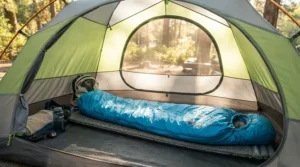
6. Naturehike CL075 Cotton Sleeping Bag Liner — best for pillow hygiene
The Naturehike CL075 Cotton Sleeping Bag Liner is 100% cotton with a built-in pillow pocket. It targets backpackers, hostel users and hotel travellers, and it’s machine washable.
The pillow pocket keeps your pillow separate from shared bedding. That’s a real advantage in a dorm, where the pillow is often the grubbiest item in the bed.
My analysis: this suits you if you split your time between campsites and cheap accommodation. It works alone on hot nights too. The weight isn’t stated on the listing I found, so I can’t give you a figure. If grams matter, check the product page before ordering.
I couldn’t verify a meaningful pool of independent reviews, so I can’t report what long-term owners say. Naturehike as a brand is well known among backpackers for budget kit, but that’s a reputation, not a review of this liner.
Pros:
- ✅ 100% cotton with a skin-friendly feel
- ✅ Pillow pocket keeps pillows separate
- ✅ Machine washable for easy care
Cons:
- ❌ Weight not confirmed on the listing
- ❌ Independent reviews are thin
Price range: around £20-£30. Fair for a pillow-pocket design.
7. Snugpak Polycotton Liner — lightest and cheapest, with a catch
The Snugpak Polycotton Liner is only 10% cotton and 90% polyester, so it’s the honest outlier here. Weights are listed at around 300-340 g depending on the retailer. It’s mummy-shaped at about 225 cm by 80 cm, with a drawcord hood, tie-in loops to stop twisting and a compact stuff sack.
The tie-in loops matter more than they look. In one community forum thread, a user found a standard cotton liner kept getting twisted and trapped inside the sleeping bag. The Snugpak Polycotton Liner is designed to avoid exactly that.
The compromise is breathability. Polyester dries quickly, but it can feel less airy than cotton on a muggy night. It’s the pick for hikers who want a washable layer cheaply and don’t mind a blend.
Reviews are positive in the retailer descriptions I read, but I couldn’t verify a large independent sample, so I won’t quote a rating.
Pros:
- ✅ Light and compact for a washable liner
- ✅ Tie-in loops prevent twisting
- ✅ Dries faster than pure cotton
Cons:
- ❌ Only 10% cotton, so less natural feel
- ❌ Less breathable on warm nights
Price range: around £15-£25. Good value if weight beats purity for you.
Top 7 Specification Comparison
| Product | Shape | Pillow pocket | Washing guidance | Best For |
|---|---|---|---|---|
| Lifeventure Cotton Sleeping Bag Liner | Rectangular | No | Machine washable | First-timers |
| Lifeventure Cotton Sleeping Bag Liner with Pillow Sleeve | Rectangular | Yes | Machine washable | All-rounders |
| Cocoon TravelSheet Egyptian Cotton | Rectangular | Yes | 40°C | Light packers |
| Cocoon Organic Cotton MummyLiner | Mummy | Check listing | Machine washable | Eco-minded campers |
| Outwell Cotton Double Sleeping Bag Liner | Double rectangular | No | Machine washable | Couples |
| Naturehike CL075 Cotton Sleeping Bag Liner | Rectangular | Yes | Machine washable | Hostel users |
| Snugpak Polycotton Liner | Mummy | No | Machine washable | Budget hikers |
The pillow pocket is the feature that separates hostel-friendly liners from camping-only ones, and four of these seven include it or a close equivalent. For couples the Outwell Cotton Double Sleeping Bag Liner is the only genuine double. For solo walkers the Cocoon TravelSheet Egyptian Cotton gives the best weight-to-comfort balance, while the Lifeventure Cotton Sleeping Bag Liner wins on pure value.
Machine-Washable Camping Gear: How to Care for Your Cotton Liner
Machine-washable camping gear is the whole point of a liner. You wash the cheap bit and spare the expensive bit. But a few habits make the difference between a liner that lasts years and one that shrinks into a pillowcase.
Wash it often, wash it gently. Check the label first. As a rule, cotton liners cope well with a 30-40°C wash with a mild detergent. The Cocoon TravelSheet Egyptian Cotton, for example, is specified at 40°C with no bleach. Bleach and fabric conditioner are best avoided, since both can break down fibres over time and reduce odour-control treatments.
Wash before the first trip. New cotton often shrinks slightly and can feel stiff. A first wash also lets you check that the stitching holds.
Dry fully before packing. Cotton holds moisture, and packing a damp liner is how you get mildew. Air-dry it outdoors if you can. A liner that feels dry on the surface can still hold moisture in the seams, so give it extra time.
Store it loose. A liner crushed in its stuff sack for months picks up creases and a musty smell. Between seasons, keep it loose in a breathable bag.
Wash the liner, not the bag. Most sleeping bags want washing rarely, and with specialist cleaner. A liner takes the day-to-day load. If you use one every night, the bag itself can go much longer between washes.
Quick checklist for the first 30 days:
- Wash and dry fully before first use.
- Test the fit inside your bag at home.
- Learn a quick entry method so you don’t tangle.
- Wash after every trip, not just when it smells.
Real-World Scenarios: Which Cotton Sleeping Bag Liner Fits Which Camper?
Different trips need different liners. Here are three profiles matched to the products, with budget, environment and frequency in mind.
The DofE participant (budget tight, four nights, rain likely). You need something cheap, reliable and accepted by your leader. The Lifeventure Cotton Sleeping Bag Liner fits because the Award recommends it and it’s gentle on a school budget. Pack it in a waterproof bag, because wet cotton is miserable. If weight worries you, the Snugpak Polycotton Liner is lighter and dries faster, though it’s mostly polyester.
The summer hostel-hopper (six weeks, mixed dorms and campsites). You want something that works as a sheet in dorms and a liner in a tent. The Naturehike CL075 Cotton Sleeping Bag Liner and the Lifeventure Cotton Sleeping Bag Liner with Pillow Sleeve both give you a pillow pocket. Wash weekly at a launderette and keep a spare if you can stretch the budget. Because you’re moving around, the weight of cotton starts to count, so consider the Cocoon TravelSheet Egyptian Cotton if you can afford it.
The campervan couple (weekends, large double bag, comfort first). Weight is irrelevant and sleep quality isn’t. The Outwell Cotton Double Sleeping Bag Liner gives you a shared layer that attaches to the bag. Throw it in the washing machine after each trip. Because you can store it in the van, the 750 g doesn’t matter.
For a longer look at how a liner stacks up against other fabrics, see the comparison section further down.
Problem and Solution Guide: Fixing Common Cotton Liner Frustrations
Cotton liners are brilliant, but they have quirks. Here are the five most common complaints and how to deal with them.
Problem 1: The liner twists around you overnight. Cotton is grippy against nylon, and the two fight each other. Solution: choose a liner with tie-in loops such as the Snugpak Polycotton Liner, or the Outwell Cotton Double Sleeping Bag Liner with its snap-button corners. If yours has none, fold the foot end over and use a safety pin through the bag’s loop, if it has one.
Problem 2: It’s too hot. Cotton adds a few degrees. In a heatwave, that’s a few too many. Solution: use the liner alone, with your sleeping bag unzipped as a blanket.
Problem 3: It won’t dry. Cotton is slow. Solution: wring gently, roll in a towel to remove moisture and hang it in a breezy spot. If you’re moving every day, pick a faster-drying blend.
Problem 4: It smells. Sweat sits in cotton. Solution: air it every morning, wash every few nights if you can and consider a liner with odour-control treatment such as the Lifeventure Cotton Sleeping Bag Liner.
Problem 5: It’s too bulky. Cotton is heavier than silk or synthetics. Solution: step up to the Cocoon TravelSheet Egyptian Cotton for a lighter cotton feel, or accept the weight and save it for car camping.
How to Choose a Cotton Sleeping Bag Liner: 6 Steps
Here’s the short version, structured to be scanned quickly.
- Match the shape to your bag. Rectangular liners suit wide bags and restless sleepers, while mummy liners suit narrow bags and cut down on bunching. A mismatch is the biggest cause of twisting.
- Check the length. Look for a liner that is a little longer than you are, so the foot end doesn’t pull tight. Most single liners run around 185-225 cm.
- Weigh the weight. Silk is roughly 125 g in UKC’s testing, while organic cotton is around 380 g. If you carry everything on your back, those 250 g matter.
- Decide on the fabric. Pure cotton is the most breathable and the easiest to wash. Blends dry faster. Egyptian and organic cotton feel softer.
- Look for practical features. A pillow pocket, attachment loops and a carry bag all add real value. A zip or Velcro opening helps in hot weather.
- Think about care. Make sure it’s machine washable, and check the temperature on the label.
The UKC Gear test makes a useful point here: a liner is a cheap way to boost warmth without buying a new bag. Don’t expect miracles, though. A cotton liner adds a few degrees, not a season.
Hostel Hygiene Liners: What a Cotton Sleeping Bag Liner Can and Can’t Do
Hostel hygiene liners are the reason many people buy their first liner. Let’s be clear about what they actually do.
What a liner does. It puts a layer of fabric between you and the mattress and bedding. That reduces skin contact with surfaces you don’t control, and it keeps your own sweat and oils off the hostel’s linen, which is a courtesy as well as a comfort. A liner with a pillow pocket, such as the Naturehike CL075 Cotton Sleeping Bag Liner, also separates your face from the pillow.
What it doesn’t do. It isn’t a force field. Bed bugs, according to Nomad Travel, can live for up to a year without feeding and travel in clothing and bedding. They can also get onto your liner if you leave it lying on an infested bed.
Smart habits.
- Inspect the mattress seams before you unpack.
- Keep your bag off the floor and the bed.
- Seal your liner in a bag during the day.
- Wash it promptly after a stay, using the hottest wash the label allows.
My analysis: a cotton liner is a sensible comfort and hygiene layer, but treat it as one part of a routine, not a guarantee. If you suspect bed bugs, move rooms or leave.
Cotton Sleeping Bag Liner for Summer Camping: Does It Work Alone?
A cotton sleeping bag liner for summer camping is a smarter choice than a lightweight summer bag for many British trips. UK summer weather is famously changeable, and a liner lets you adapt.
On warm nights, use the liner alone with your bag unzipped over you. Cotton breathes, so you won’t get the clammy, plasticky feel of a synthetic bag in July.
On cool nights, which happen even in August in upland areas, slip the liner inside the bag. Cocoon’s cotton liners claim to add roughly 3-4°C, which is useful, though not dramatic.
On muggy nights, choose a rectangular liner such as the Lifeventure Cotton Sleeping Bag Liner. The roomier cut lets air move around your body.
Festivals and campsites suit cotton best. You rarely carry the kit far, so the weight doesn’t matter, and a washable layer saves your bag from sunscreen, mud and spilled cider.
The trade-off is drying time. After a damp morning, cotton takes longer to dry than silk or polyester. For multi-day treks, the lighter Cocoon TravelSheet Egyptian Cotton or the Snugpak Polycotton Liner may suit better. For a weekend pitch, any cotton option will do the job.
Breathable Natural Fabrics: Why Cotton Feels Different
Breathable natural fabrics have a loyal following among campers, and cotton is the most familiar. As Wikipedia’s cotton entry explains, cotton is a soft fibre from the cotton plant, and it has been used for textiles for thousands of years. That history says something: it’s a fabric people keep coming back to.
Why it matters in a liner. Cotton absorbs moisture from your skin and releases it into the air, so you feel dry sooner than you would in a non-breathable fabric. That’s why many people find a cotton liner more comfortable on a warm night than a polyester one.
Long-staple cottons. Egyptian cotton, used in the Cocoon TravelSheet Egyptian Cotton, has longer fibres that spin into finer yarn. In practice, that means a smoother, lighter fabric.
Organic cotton. The Cocoon Organic Cotton MummyLiner uses cotton grown without synthetic pesticides, which matters if you care about the footprint. The softness difference is subtle, but the environmental argument is real.
The downsides. Cotton is heavier than silk, slower to dry than synthetics and less warm when damp. Those are real costs on a wet trek. On a dry summer weekend they barely register.
In short, breathable natural fabrics shine in warm, dry conditions and at campsites. For wet mountain use, you may prefer a blend or silk.
Cotton vs Silk vs Synthetic Liners: Which Wins?
Cotton isn’t the only option. Here’s how it compares, using weights from UKC Gear’s test of Cocoon liners.
| Liner type | Approx. weight | Drying speed | Feel | Best For |
|---|---|---|---|---|
| Silk | ~125 g | Fast | Smooth, luxurious | Ultralight hikers |
| Coolmax (synthetic) | ~249 g | Fast | Cool, wicking | Hot, sweaty sleepers |
| Organic cotton (e.g. Cocoon Organic Cotton MummyLiner) | ~380 g | Slow | Soft, familiar | Campsite comfort |
| Thermolite | ~370 g | Fast | Warm, snug | Cold nights |
| Merino | ~495 g | Medium | Warm, blanket-like | Winter use |
Silk wins on weight and packability, but it’s pricier and more delicate. Synthetics win on drying speed. Cotton wins on familiarity, ease of washing and cost, and it’s the one most people already know how to look after. For most British campsite and hostel use, cotton delivers the best comfort for the least money, whereas hikers counting grams should look at silk or a lighter blend.
Cotton Liner Review Roundup: What Reviewers Actually Say
A cotton liner review is only useful if it separates real sentiment from marketing. Here’s what the genuine evidence shows, and where it runs thin.
Strongest evidence. The Lifeventure Cotton Sleeping Bag Liner has the most visible review support, with one major retailer showing a 4.7 average from nearly a hundred reviews. Reviewers praise value and softness. Complaints centre on bulk.
Mixed evidence. The Cocoon TravelSheet Egyptian Cotton has a smaller sample, with 3.9 across 12 reviews on a US retailer. People like the washability and the thin feel, while one reviewer criticised the threading.
Expert testing. The UKC Gear group test covered Cocoon’s liners and highlighted the organic cotton model as comfortable and durable, while noting the weight penalty compared with silk.
Thin evidence. I couldn’t verify reliable owner reviews for the Cocoon Organic Cotton MummyLiner, the Naturehike CL075 Cotton Sleeping Bag Liner or the Snugpak Polycotton Liner as independent samples, so I haven’t quoted ratings for them.
What it adds up to. Reviewers consistently value cotton liners for comfort, washability and price. The recurring gripes are weight, drying time and twisting. None of that is surprising, and it matches how the fabric behaves.
Long-Term Cost and Value: Is a Cotton Liner Worth It?
A cotton liner is one of the cheapest ways to protect an expensive sleeping bag. Here’s a simple way to think about value, using indicative ranges.
| Liner | Indicative price range | Estimated nights of use | Rough cost per night | Best For |
|---|---|---|---|---|
| Lifeventure Cotton Sleeping Bag Liner | Under £25 | 40 | Under 65p | Maximum value |
| Snugpak Polycotton Liner | £15-£25 | 40 | 40-65p | Light, cheap use |
| Cocoon TravelSheet Egyptian Cotton | Premium | 60+ | Depends on price paid | Frequent travellers |
These are illustrations, not guarantees. The point is that a liner used for a few dozen nights costs pennies per night, and it spares you a specialist sleeping bag wash. Frequent users get better value from a premium liner such as the Cocoon TravelSheet Egyptian Cotton, because the lighter weight is felt every trip. Occasional campers are better served by the Lifeventure Cotton Sleeping Bag Liner.
As Advnture’s liner guide notes, liners can add comfort, warmth and protection to your sleeping bag. Think of it as insurance for your sleeping bag, with a side order of comfort.

FAQ
❓ How much warmth does a cotton sleeping bag liner add?
❓ Can you machine wash a cotton sleeping bag liner?
❓ Is a cotton liner better than silk for hostels?
❓ What size cotton sleeping bag liner should I buy?
❓ Does a cotton liner protect against bed bugs?
Conclusion
A cotton sleeping bag liner is one of those unglamorous purchases that quietly improves every trip. It keeps your sleeping bag clean, makes shared beds feel less grim and gives you a breathable layer for hot nights.
Here’s the short verdict. For most people, the Lifeventure Cotton Sleeping Bag Liner is the sensible starting point, with real cotton, a low price and DofE approval. If you want a pillow pocket for camping and hostels, the Lifeventure Cotton Sleeping Bag Liner with Pillow Sleeve or the Naturehike CL075 Cotton Sleeping Bag Liner are the better fits. Light packers who still want cotton should look at the Cocoon TravelSheet Egyptian Cotton, and eco-minded campers at the Cocoon Organic Cotton MummyLiner. Couples will appreciate the Outwell Cotton Double Sleeping Bag Liner, and budget hikers who prioritise weight can consider the Snugpak Polycotton Liner, knowing it’s mostly polyester.
Whichever you choose, wash it regularly, dry it fully and treat hostel hygiene as a routine rather than a promise. Prices change, so check current listings before you buy.
✨ Ready to sleep cleaner and cooler?
🏕️ Pick the liner that matches your trips, click through to check current pricing and availability, and give your sleeping bag the bodyguard it deserves. Your next campsite night will thank you!
Recommended for You
- Compressible Pillow For Car Camping: 7 Best Picks UK (2026)
- Compressible Camping Pillow: 7 Best UK Picks, Honestly Ranked (2026)
- Memory Foam Pillows: 7 Best Budget Camping Picks For 2026
Disclaimer: This article contains affiliate links. As an Amazon Associate, I earn from qualifying purchases. If you purchase products through these links, we may earn a small commission at no additional cost to you.
✨ Found this helpful? Share it with your friends! 💬🤗
