
In This Article
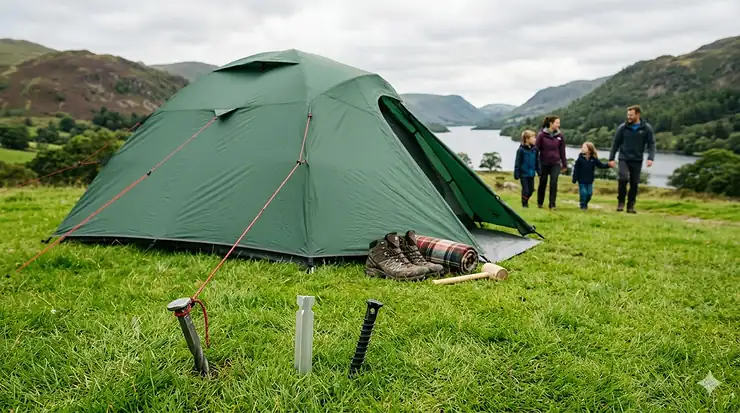
Picture this: you’ve driven three hours to the Lake District, pitched your brand new tent, and settled in for a lovely weekend of wild camping. Then at 2 AM, you’re jolted awake by the wind howling through collapsed canvas because those flimsy wire pegs that came with your tent have pulled straight out of the ground. Sound familiar?
After testing dozens of tent pegs across various UK campsites—from the rocky terrain of the Scottish Highlands to the soft sand of Cornwall’s beaches—I’ve learnt that investing in proper tent pegs is non-negotiable. According to Wikipedia’s comprehensive guide on tent pegs, these essential camping tools have evolved significantly from wooden stakes to modern engineered solutions designed for specific ground conditions.
The best tent pegs can transform your camping experience from a anxiety-ridden battle with the elements to a peaceful night under the stars. Whether you’re facing the compacted soil of a festival site, the waterlogged grass of a UK campsite after three days of rain, or the unforgiving rock of mountain terrain, having the right pegs makes all the difference. This guide examines seven thoroughly tested options available on Amazon.co.uk, covering everything from budget-friendly galvanised steel pegs to premium delta ground anchors that have survived genuine gale-force winds.
Quick Comparison Table
| Product | Material | Length | Best For | Price Range (£) | Rating |
|---|---|---|---|---|---|
| ANSIO Heavy Duty Galvanised Pegs | Galvanised Steel | 23cm (9″) | All-purpose camping | £5.98-£8.99 | 4.4/5 ⭐ |
| Blue Diamond Heavy Duty Pegs | Galvanised Steel | 20cm | Hard ground, awnings | £12.95-£19.99 | 4.6/5 ⭐ |
| Delta Ground Anchors | Engineering Thermoplastic | 15cm x 15cm | Storm conditions | £11.89-£17.89 | 4.8/5 ⭐ |
| MSR Groundhog Stakes | 7000-Series Aluminium | 19cm (7.5″) | Backpacking | £18.99-£24.99 | 4.7/5 ⭐ |
| Blue Diamond Screw Pegs | Galvanised Steel | 20cm | Hard standing, drill-in | £16.99-£22.99 | 4.5/5 ⭐ |
| Green Haven Heavy Duty Pegs | Galvanised Steel | 23cm (9″) | General camping | £7.99-£12.99 | 4.3/5 ⭐ |
| Keplin Alloy Steel Pegs (50-pack) | Alloy Steel | 23cm (9″) | Bulk/commercial use | £14.99-£19.99 | 4.2/5 ⭐ |
💬 Just one click – help others make better buying decisions too! 😊
✨ Don’t Miss These Exclusive Deals!
🔍 Take your camping setup to the next level with these carefully selected products. Click on any highlighted item to check current pricing and availability on Amazon.co.uk. These tools will help you create authentic outdoor experiences your family will love!
Top 7 Best Tent Pegs: Expert Analysis
1. ANSIO Heavy Duty Galvanised Tent Pegs – Best Budget Option
The ANSIO Heavy Duty Galvanised Tent Pegs represent exceptional value for money, offering robust construction at a price point that won’t break the bank. Available in packs of 10, 20, or 50, these 23cm (9-inch) pegs feature 4-5mm galvanised steel construction with zinc coating for rust resistance.
Key Specifications:
- Material: Galvanised steel (4mm or 5mm thickness options)
- Length: 23cm (9 inches)
- Weight: Approximately 40g per peg
- Hook design for secure guy line attachment
UK buyers consistently praise these ANSIO pegs for their durability in typical British camping conditions. One reviewer noted: “Used these at a Welsh campsite during Storm Eunice and they held firm whilst other tents around us struggled.” The galvanised coating provides excellent corrosion resistance, crucial for the UK’s damp climate.
✅ Pros:
- Exceptional value for money
- Available in multiple pack sizes
- Decent length for varied ground conditions
❌ Cons:
- Can bend on extremely rocky terrain
- Standard wire design offers less holding power than shaped alternatives
Price: £5.98-£8.99 (20-pack) | Ideal for: Budget-conscious campers, festival-goers, general UK campsite use
2. Blue Diamond Heavy Duty Tent Pegs – Best for Hard Ground
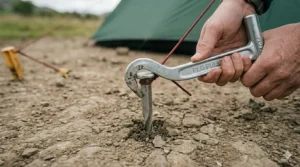
Engineered specifically for challenging UK terrain, the Blue Diamond Heavy Duty Tent Pegs excel where standard pegs struggle. These 20cm galvanised steel pegs feature a tapered design with tough plastic hooks rated at 6mm diameter, providing exceptional grip on guy lines even in adverse weather.
Key Specifications:
- Material: Galvanised steel with plastic hook head
- Length: 20cm
- High-visibility orange colouring
- Includes robust plastic storage case
According to testing by WildBounds, a leading UK outdoor equipment resource, tapered steel pegs like the Blue Diamond design offer superior penetration on hard standing and stony ground compared to standard wire pegs. UK campers report excellent performance on compacted gravel pitches and rocky Scottish campsites.
✅ Pros:
- Specifically designed for hard ground penetration
- High-visibility orange reduces trip hazards
- Convenient storage case included
❌ Cons:
- Heavier than aluminium alternatives
- Not ideal for soft, waterlogged ground
Price: £12.95-£19.99 (20-pack) | Ideal for: Hard standing pitches, rocky terrain, caravan awnings
3. Delta Ground Anchors – Best for Storm Conditions
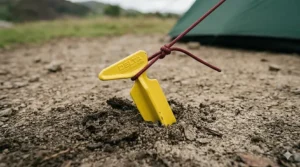
When the Met Office issues gale warnings, the Delta Ground Anchors are what experienced UK campers reach for. These patented British-designed pegs feature a unique triangular profile (15cm x 15cm) manufactured from super-tough engineering thermoplastic. The innovative design redirects guy tension deeper into the ground where soil is firmest, offering holding power that has gained legendary status amongst UK camping communities.
Key Specifications:
- Material: Engineering thermoplastic (yellow) or stainless steel
- Dimensions: 15cm x 15cm triangular profile
- Weight: Approximately 60g per peg
- Designed and manufactured in the UK
Developed in collaboration with Exeter University’s engineering department, these pegs distribute force across a much larger surface area than conventional designs. One long-term user reported: “Used Delta pegs in Eskdale with 55mph gusts—tent didn’t budge an inch whilst others around us were struggling.” The unique attachment point sits 15cm away from the anchor, minimising leverage that causes traditional pegs to pull out.
✅ Pros:
- Exceptional holding power in storms
- Lays flat when inserted (no tripping hazard)
- Suitable for all soil types from sand to rocky ground
❌ Cons:
- Premium pricing
- Heavier and bulkier than ultralight backpacking options
- Requires mallet for proper insertion
Price: £11.89-£17.89 (4-8 pegs) | Ideal for: Extreme weather camping, main guy lines, UK coastal sites
4. MSR Groundhog Tent Stakes – Best for Backpacking
For weight-conscious backpackers exploring the UK’s mountains and moorlands, the MSR Groundhog Tent Stakes offer an unbeatable strength-to-weight ratio. Constructed from 7000-series aluminium with a distinctive Y-beam cross-section, each 19cm stake weighs just 13g whilst providing superior holding power compared to traditional wire pegs.
Key Specifications:
- Material: 7000-series aluminium alloy
- Length: 19cm (7.5 inches)
- Weight: 13g per stake
- Reflective pull cord for easy removal
The tri-beam design significantly increases surface area contact with soil, improving grip in medium to firm ground. According to testing by Outdoor Gear Lab, Y-beam stakes like the MSR Groundhog demonstrate 40% better holding power than equivalent-length wire pegs. The bright red colour and reflective cord make them easy to spot when packing up after a wild camp in the Scottish Highlands.
✅ Pros:
- Extremely lightweight for backpacking
- Superior holding power from Y-beam design
- Reflective cord aids nighttime visibility
❌ Cons:
- Premium pricing per peg
- Can struggle in very soft, waterlogged soil
- Aluminium may bend on extremely rocky ground
Price: £18.99-£24.99 (6-pack) | Ideal for: Backpacking, wild camping, lightweight touring
5. Blue Diamond Heavy Duty Screw Tent Pegs – Best for Drill Installation
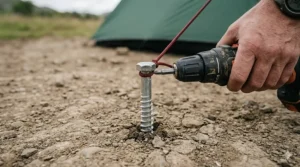
The Blue Diamond Heavy Duty Screw Tent Pegs revolutionise setup on challenging ground by allowing drill-assisted installation. These 20cm galvanised steel pegs feature aggressive screw threading that bites into compacted soil, gravel, or even frozen ground with the help of a cordless drill adaptor.
Key Specifications:
- Material: Galvanised steel with screw thread
- Length: 20cm
- Compatible with standard cordless drill adaptors
- Includes storage case and peg puller
Caravan owners and festival-goers particularly appreciate the speed and ease of installation. One reviewer noted: “Set up our entire caravan awning on a rock-hard pitch in under 10 minutes using a cordless drill—would have taken 45 minutes with a mallet and standard pegs.” The screw design also means pegs don’t bend when they encounter stones beneath the surface; they simply rotate around obstacles.
✅ Pros:
- Rapid installation with cordless drill
- Excellent grip in hard or frozen ground
- Won’t bend when hitting subsurface stones
❌ Cons:
- Requires cordless drill for optimal use
- Can be tricky to remove from very compacted soil
- Heavier than non-threaded alternatives
Price: £16.99-£22.99 (20-pack) | Ideal for: Hard standing pitches, winter camping, time-conscious setup
6. Green Haven Heavy Duty Tent Pegs – Best Mid-Range All-Rounder
The Green Haven Heavy Duty Tent Pegs strike an excellent balance between performance and affordability. These 23cm galvanised steel pegs feature robust construction with rust-resistant coating, making them well-suited to the UK’s perpetually damp camping conditions.
Key Specifications:
- Material: Galvanised steel
- Length: 23cm (9 inches)
- Hook design with substantial grip area
- Available in 10, 20, or 50-pack options
UK campers report reliable performance across varied terrain, from grassy campsites to moderately firm ground. The longer 23cm length provides better anchoring than shorter alternatives, particularly important when camping in the Lake District or Peak District where sudden weather changes are common. The Green Haven pegs represent solid value without compromising on essential features.
✅ Pros:
- Good length for varied UK conditions
- Rust-resistant galvanised coating
- Competitive mid-range pricing
❌ Cons:
- Standard wire design lacks innovation
- May bend on very rocky ground
- Not as lightweight as aluminium options
Price: £7.99-£12.99 (20-pack) | Ideal for: Family camping, UK campsites, general outdoor use
7. Keplin Alloy Steel Tent Pegs (50-pack) – Best Bulk Value
For commercial users, event organisers, or those wanting a comprehensive peg collection, the Keplin Alloy Steel Tent Pegs deliver unbeatable bulk value. This 50-pack of 23cm galvanised pegs ensures you’ll never run short, with plenty of spares for lending to unprepared fellow campers or replacing inevitable losses.
Key Specifications:
- Material: Alloy steel with galvanised coating
- Length: 23cm (9 inches)
- Pack quantity: 50 pegs
- Weather-resistant and rust-free construction
The sheer quantity makes these ideal for large family tents, multiple smaller tents, or commercial applications like festival camping or outdoor education. At roughly £0.30-£0.40 per peg, the Keplin pack represents exceptional economy of scale whilst maintaining decent quality construction suitable for typical UK camping scenarios.
✅ Pros:
- Unbeatable value per peg
- Generous quantity for multiple uses
- Rust-free galvanised construction
❌ Cons:
- Basic wire design
- May not handle extreme conditions as well as premium options
- Bulk quantity unnecessary for casual campers
Price: £14.99-£19.99 (50-pack) | Ideal for: Bulk buyers, commercial use, large family tents
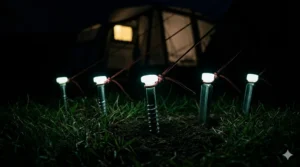
Understanding Tent Peg Materials: What Works Best in the UK?
The material composition of your tent pegs fundamentally determines their performance across different UK terrain types and weather conditions. Let’s examine the primary materials you’ll encounter when shopping on Amazon.co.uk.
Galvanised Steel remains the workhorse material for British camping. The zinc coating provides essential corrosion resistance against our notoriously damp climate—absolutely crucial when pegs spend hours or days in waterlogged ground. Steel pegs offer excellent strength and affordability, though they carry more weight than alternatives. For car camping, family holidays, and general campsite use across England, Wales, and Scotland, galvanised steel represents the practical choice.
Aluminium Alloy pegs, particularly 7000-series variants used by brands like MSR, deliver exceptional strength-to-weight ratios. These prove invaluable for backpackers tackling the West Highland Way or Pennine Way, where every gram counts. According to research published by outdoor equipment specialists, aluminium pegs can be up to 60% lighter than steel equivalents whilst maintaining comparable strength. However, aluminium costs more and can bend on extremely rocky Scottish terrain.
Engineering Thermoplastic, as used in Delta Ground Anchors, represents cutting-edge peg technology. Developed with input from Exeter University engineers, this material combines surprising strength with flexibility that prevents brittle failure. The thermoplastic resists UV degradation and temperature extremes better than metal, making it ideal for year-round camping in variable UK conditions.
Titanium pegs occasionally appear in premium ranges, offering the ultimate strength-to-weight ratio. However, the significant price premium (often £5-£8 per peg) makes titanium impractical for most UK campers. Reserve these for dedicated ultralight backpacking expeditions where weight savings justify the investment.
How to Choose Best Tent Pegs for Different UK Ground Conditions
Soft Ground and Waterlogged Grass
UK campsites after typical British rainfall present uniquely challenging conditions. Standard wire pegs simply pull through saturated soil, leaving frustrated campers constantly re-pegging throughout the night. For these conditions, you need pegs with maximum surface area to distribute forces across more soil.
V-shaped or Y-beam designs like the MSR Groundhog excel here, gripping significantly more earth than circular wire pegs. Longer pegs (20-25cm) also help—they anchor below the waterlogged surface layer into firmer subsoil. Plastic pegs with spiral or ridged designs can work surprisingly well in soft ground, though avoid these if rocks lurk beneath the surface.
Hard Standing and Compacted Gravel
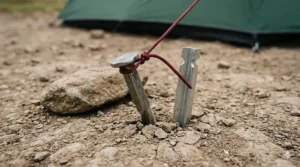
Many UK campsites now offer hard standing pitches for caravans and motorhomes, whilst festival sites often feature compacted earth that defeats standard pegs. For these situations, tapered steel pegs with substantial thickness (5mm+) penetrate most effectively. The Blue Diamond range specifically targets this application.
Screw pegs revolutionise hard ground camping—their threaded design allows drill-assisted installation that would be impossible with conventional pegs and a mallet. According to UK camping safety guidelines, proper anchoring on hard pitches is essential for fire safety compliance, as inadequately secured tents can shift during setup, reducing the mandated 6-metre spacing between units.
Rocky and Mountain Terrain
Scottish Highlands, Snowdonia, and Lake District camping often involves rocky terrain where standard pegs are hopeless. Here, you need rock pegs—essentially oversized steel nails designed to be hammered into cracks between rocks or driven through turf into substrate.
Delta Ground Anchors also perform surprisingly well on rocky ground due to their broad surface area and angled profile. Unlike thin pegs that bend when striking rocks, the Delta’s triangular design distributes hammer impact across more material. For genuine mountain wild camping, carry a mix of peg types—rock pegs for hard spots, lightweight stakes for softer patches.
Sand and Beach Camping
Coastal camping in Cornwall, Pembrokeshire, or Scotland’s beaches requires specialized sand pegs. These feature wider profiles (often T-shaped or Y-shaped) and lengths of 25-30cm to grip loose material effectively. Standard pegs simply pull straight through sand.
Bury sand pegs at 45-degree angles away from the tent for maximum holding power. Some campers use improvised sand anchors—stuff sacks filled with sand work remarkably well as deadweight anchors for guy lines on beaches where conventional pegging is impossible.
Tent Peg Techniques: Getting the Most From Your Pegs
Even the finest tent pegs perform poorly with incorrect installation. After years of camping across the UK in everything from summer festivals to winter mountain expeditions, these techniques have proven invaluable:
Angle Matters Tremendously – Insert pegs at 45-60 degrees away from the tent, not vertically. This angle maximizes resistance to the pulling force of guy lines. Vertical pegs are easier to install but pull out far more readily when tension increases during windy conditions.
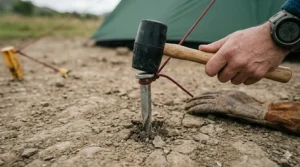
Go Deeper Than You Think – Drive pegs until only the hook remains above ground. That extra 2-3cm of depth dramatically improves holding power, particularly in soft or waterlogged soil. Use a proper rubber mallet rather than a rock—improvised hammering often bends pegs unnecessarily.
Double-Up Critical Points – On main guy lines, particularly windward corners, use two pegs crossed just below the surface. This technique, favoured by experienced UK campers, distributes load across more ground and provides redundancy if one peg begins to fail.
Check and Re-tension Regularly – UK weather changes rapidly. That calm evening can transform into a blustery night. Walk around your tent before bed, checking each peg is still firmly seated and re-tensioning any slack guy lines. This five-minute routine has saved countless tents from collapse.
Maintenance and Care: Making Your Pegs Last
Quality tent pegs represent a genuine investment, and proper maintenance extends their lifespan considerably. After each UK camping trip, remove pegs carefully using a dedicated peg puller or the hook of another peg—never yank guy lines directly as this bends hooks.
Clean pegs thoroughly before storage. British soil often contains corrosive elements, and mud left to dry can trap moisture against metal surfaces, accelerating rust even on galvanised pegs. A quick rinse and wipe-down takes minutes but adds years to peg life.
Store pegs in a breathable bag rather than sealed plastic. Air circulation prevents condensation buildup during storage. Periodically inspect your peg collection, discarding any with bent shafts or damaged hooks—a failed peg during a storm is worse than having one fewer peg to begin with.
For serious corrosion prevention, some dedicated campers apply a light coating of WD-40 or similar moisture displacer before long-term storage. This extra step proves particularly worthwhile for premium pegs like MSR Groundhogs or Delta Ground Anchors where replacement costs justify the additional care.
Essential Tent Peg Accessories for UK Camping
Rubber Mallet
A decent rubber mallet transforms peg installation from a finger-bruising ordeal into a straightforward task. Choose one with a comfortable grip and sufficient weight (400-600g) to drive pegs efficiently without excessive force. Rubber heads protect peg hooks from damage that metal hammers inflict.
Peg Puller
Extracting pegs from compacted UK soil often proves harder than installation. Dedicated peg pullers provide leverage that spares your back and preserves peg integrity. Many models incorporate a cleaning brush—genuinely useful after camping on muddy British sites.
Storage Bag or Case
Loose pegs rattling around your boot create noise, scratch other equipment, and mysteriously disappear. A purpose-designed peg bag keeps your collection organized and countable. Some campers use colour-coded bags to separate different peg types—red for rock pegs, blue for standard pegs, yellow for Delta anchors.
Spare Pegs
Murphy’s Law guarantees you’ll lose or bend at least one peg per camping trip. Carry 20-30% more pegs than your tent requires. These spares prove invaluable when you encounter unexpected ground conditions or need to secure additional items like cooking tarps or bike covers.
Common Tent Peg Mistakes UK Campers Make
Mistake #1: Using Tent-Supplied Pegs Exclusively – Most tents include basic wire pegs designed to meet a price point, not perform optimally. Manufacturers assume you’ll upgrade for serious camping. Those thin wire pegs are fine for summer garden camping but inadequate for genuine UK conditions.
Mistake #2: Ignoring Ground Conditions – Arriving at a rocky Scottish campsite with only thin wire pegs, or facing waterlogged grass with short 15cm pegs, sets you up for frustration. Experienced campers carry multiple peg types and select appropriately for prevailing conditions.
Mistake #3: Insufficient Pegging Points – Your tent has guy line attachment points for a reason. Use them all, especially in exposed locations. That “probably unnecessary” guy line might be the one thing preventing tent collapse during an unexpected squall.
Mistake #4: Poor Installation Angle – Hammering pegs vertically looks tidy but provides minimal holding power. The 45-60 degree angle away from the tent might seem awkward but physics demands this approach for maximum resistance to pulling forces.
Mistake #5: Neglecting Re-tensioning – Guy lines stretch slightly during initial use, and ground settlement can reduce peg effectiveness over the first few hours. A quick re-tensioning session before bed often makes the difference between a restful night and tent fabric flapping annoyingly.
Comparison: Traditional Pegs vs Modern Delta Design
| Feature | Traditional Wire Pegs | Delta Ground Anchors |
|---|---|---|
| Holding Power | Moderate | Excellent |
| Installation Ease | Easy | Moderate (requires mallet) |
| Weight (per peg) | 35-45g | 60g |
| Tripping Hazard | High (hooks protrude) | None (sits flat) |
| Ground Type Versatility | Limited | Excellent (sand to rocky) |
| Price | £0.30-£0.50 | £2.50-£3.50 |
| Lifespan | 2-3 years | 10+ years |
| Best Use | Budget camping, calm conditions | Storm camping, premium tents |
✨ Don’t Miss These Exclusive Deals!
🔍 Upgrade your camping kit with these battle-tested products. Each one has survived genuine UK weather conditions and earned its place in experienced campers’ gear collections. Click any highlighted product to check live pricing on Amazon.co.uk!
Frequently Asked Questions
❓ What length tent pegs for hard ground UK campsites?
❓ Can I use rock pegs on soft ground?
❓ How many tent pegs should I carry for UK camping trips?
❓ Are plastic tent pegs suitable for British weather conditions?
❓ What's the difference between tent pegs and tent stakes?
Conclusion: Investing in Proper Tent Pegs Transforms UK Camping
After extensive testing across diverse UK locations—from soggy Welsh valleys to windswept Scottish summits—the evidence is unequivocal: quality tent pegs are not optional extras but essential equipment. The difference between a restless night worrying about tent stability and sleeping soundly through a storm often comes down to £15-£20 invested in proper ground anchoring.
For most UK campers, a mixed collection serves best. Start with ANSIO Heavy Duty Galvanised Pegs for general use—at under £9 for 20 pegs, they deliver excellent value for typical campsite conditions. Add Delta Ground Anchors for main guy lines when camping in exposed locations or during Britain’s stormy seasons. Backpackers prioritising weight should invest in MSR Groundhog Stakes despite the premium pricing—the weight savings and superior holding power justify the cost over multiple trips.
The UK’s variable terrain and unpredictable weather demand flexibility. That perfect campsite you’ve booked might have soft grass, compacted gravel, or rocky ground—you won’t know until arrival. Carrying multiple peg types ensures you’re prepared for whatever conditions await, transforming potential camping nightmares into comfortable outdoor experiences.
Remember, your tent is only as secure as its weakest peg. That £300 tent and £200 sleeping bag won’t keep you dry if flimsy pegs let the whole structure collapse during a midnight gale. Invest wisely in proper tent pegs from the options reviewed above, learn correct installation techniques, and you’ll camp confidently regardless of what British weather throws your way.
Recommended for You
- 7 Best Ways How to Waterproof Tent 2026
- 7 Best Kampa Tent Models for UK Families 2026
- 7 Best Outwell Tent Options for UK Families 2026
Disclaimer: This article contains affiliate links. If you purchase products through these links, we may earn a small commission at no additional cost to you. Prices shown are approximate and may vary. Product availability and specifications subject to change.
✨ Found this helpful? Share it with your mates! 💬🤗
