
In This Article
Let’s be honest—the British climate isn’t exactly kind to campers. One minute you’re basking in glorious sunshine, and the next, horizontal rain is lashing against your tent whilst the wind threatens to turn it into a kite. I’ve spent countless nights in soggy sleeping bags, and trust me, there’s nothing romantic about waking up in a puddle.
The secret to surviving (and actually enjoying) camping in our unpredictable weather lies in choosing a proper tent for UK weather that can genuinely handle what Mother Nature throws at it. According to the <cite source=”https://boutiquecamping.com”>UK Met Office</cite>, average annual rainfall ranges between 800-1,400mm, with Wales and Scotland receiving significantly more. This isn’t light drizzle territory—we’re talking about persistent downpours, sudden summer storms, and that peculiar British phenomenon where it somehow rains sideways.
What makes a tent truly suitable for British conditions? It’s not just about waterproofing (though a tent waterproof rating 3000mm or higher is essential). You need reinforced storm straps guy ropes, proper ventilation to combat condensation, and a design that won’t collapse when the wind picks up. Whether you’re planning a festival weekend in muddy fields or a family camping trip in the Lake District, the right waterproof tent uk rain and wind can handle makes all the difference between an adventure and an ordeal.
In this comprehensive guide, I’ll walk you through seven thoroughly tested tents that genuinely perform in best tent wind and rain conditions, explain what specifications actually matter, and help you find the perfect shelter for your next British camping adventure—because nobody should have to sleep in a tent that doubles as a paddling pool.
Quick Comparison Table
| Tent Model | Capacity | Waterproof Rating | Price (£) | Best For | Weight |
|---|---|---|---|---|---|
| Coleman Darwin 3 Plus BlackOut | 2-3 person | 3000mm | £69.99-£89.99 | Festivals & weekend trips | 4.7kg |
| Portal Luxury 2-3 Man | 2-3 person | 3000mm | £99.99 | Budget family camping | 6.5kg |
| Vango Nevis 300 | 2-3 person | 3000mm | £79.99-£119.99 | Backpacking & DofE | 3.8kg |
| Coleman Coastline 3 Plus | 3 person | 3000mm | £134.99-£164.99 | Active campers | 7.2kg |
| Naturehike Taga 1 | 1 person | 4000mm | £102.76 | Solo adventures | 1.25kg |
| Portal 3-4 Man with Porch | 3-4 person | 3000mm | £129.99 | Family camping | 8.2kg |
| Eurohike Sendero 4 | 4 person | 2000mm | £89.99-£110.00 | Family festivals | 9.02kg |
💬 Just one click – help others make better buying decisions too! 😊
Top 7 Tents for UK Weather: Expert Analysis
1. Coleman Darwin 3 Plus BlackOut – Best All-Round Festival Tent
The Coleman Darwin 3 Plus BlackOut has become something of a legend at UK festivals, and after testing it through a particularly soggy Download Festival, I completely understand why. This compact dome tent features Coleman’s innovative BlackOut bedroom technology, which genuinely blocks up to 99% of daylight—brilliant for festival-goers who actually want to sleep past sunrise.
Key Specifications:
- Waterproof rating: 4500mm hydrostatic head
- Capacity: Comfortably sleeps 2 adults, claims 3
- Setup time: Approximately 10-15 minutes
- Pack size: 60 × 18 × 18cm
What impressed me most during heavy rain was how the 3000mm flysheet combined with fully taped seams kept everything bone dry, even when adjacent tents were suffering. The sewn-in groundsheet with bathtub design means no draughts sneaking in from below, and the sturdy fibreglass poles genuinely withstood 35mph winds without so much as a wobble. UK campers particularly appreciate the generous porch area—perfect for muddy boots and camping gear.
Customer Feedback from UK Buyers: One Download attendee reported: “Survived three days of biblical rain whilst cheaper tents around us collapsed. The BlackOut feature meant I actually got decent sleep despite being camped next to the main stage.”
✅ Pros:
- Excellent blackout technology for quality sleep
- Superior 4500mm waterproofing handles torrential rain
- Robust wind resistance (tested to 35mph)
❌ Cons:
- Snug for three adults with gear
- Outer flysheet can flap in strong winds
Price Range: £69.99-£89.99
2. Portal Luxury 2-3 Man Tunnel Tent – Best Budget Option
The Portal Luxury 2-3 Man tent proves you don’t need to spend a fortune for reliable British weather protection. This tunnel design offers exceptional value with its 3000mm waterproof coating—perfectly adequate for our typical downpours. Portal has cleverly designed this tent with the “unsettled English weather” specifically in mind, featuring a functional porch that adds valuable living space.
Key Specifications:
- Waterproof rating: 3000mm with PU coating
- Double-skin design for condensation management
- Lightweight at 6.5kg
- Setup time: 15 minutes with colour-coded hanging points
What sets this apart from cheaper options is the attention to detail. The sewn-in groundsheet with tub floor design prevents water ingress from below, whilst the side mesh window and rear vent work together to reduce condensation—a common problem in single-layer tents. Two transparent front windows provide natural light during gloomy British days, with privacy curtains available when needed.
Customer Feedback from UK Buyers: “Great wee tent, easy to put up and pack away. Plenty of room for me and my wee doggy. Stood up perfectly in strong winds and rain for several nights,” reported a Scottish camper.
✅ Pros:
- Outstanding value for specifications
- Easy setup with colour-coded system
- Good ventilation reduces condensation
❌ Cons:
- 2000mm would be preferable for extended trips
- Porch area could be larger
Price Range: £99.99
3. Vango Nevis 300 – Best for Backpacking & DofE Expeditions
The Vango Nevis 300 has earned its reputation as the go-to choice for Duke of Edinburgh Award participants, and it’s officially recommended by the DofE programme. Vango, a Scottish company with 60 years of experience designing equipment for challenging conditions, has created something genuinely special here. This tunnel tent balances lightweight portability with robust British weather protection.
Key Specifications:
- Waterproof rating: 3000mm Protex 70D polyester flysheet
- Weight: 3.8kg (remarkably light for the protection offered)
- PowerLite alloy poles for enhanced durability
- TBS II Tension Band System for stability
Having used this on a wild camping trip in Snowdonia during changeable weather, I can confirm it handles wind remarkably well for its weight category. The TBS II system genuinely adds stability, preventing that annoying tent flap you get with basic designs. Two doors offer flexible entry options and excellent ventilation, whilst the pack size (48 × 18cm) fits comfortably in a rucksack.
Customer Feedback from UK Buyers: “Fab. 2 doors, lightweight but massive inside, loads of room for kit. There’s only 3 poles, which are sturdy, it’s nice and waterproof,” praised a backpacker. Another noted: “Great quality from Vango as normal. This is a good weight and packed size. Great price on Amazon.”
✅ Pros:
- DofE recommended—trusted quality
- Excellent weight-to-protection ratio
- Two-door design improves ventilation and access
❌ Cons:
- Vestibule space limited for extended stays
- Standard pegs need upgrading for rocky terrain
Price Range: £79.99-£119.99
4. Coleman Coastline 3 Plus – Best for Active Campers
The Coleman Coastline 3 Plus represents Coleman’s answer to serious UK camping conditions. This tunnel tent excels in providing a proper separate living and sleeping arrangement, which transforms the camping experience during those inevitable rainy days when you’re confined to your tent for hours. The spacious vestibule becomes an absolute godsend when British weather forces you indoors.
Key Specifications:
- Waterproof rating: 3000mm with fully taped seams
- Total area: 8m² (sleeping cabin 4.2m² + living area 3.8m²)
- Peak height: 1.5 metres
- Weight: 7.2kg
The 3000mm water column combined with Coleman’s proven waterproofing system makes this genuinely rainproof. I’ve watched water simply sheet off the flysheet during Lake District downpours without a single drip penetrating. The flexible fibreglass poles withstand strong winds admirably—far better than you’d expect from a tunnel design. Three large PVC windows with darkening options offer brilliant versatility for British summers where darkness arrives frustratingly late.
Customer Feedback from UK Buyers: One camper reported: “With spacious vestibule for separate living and sleeping; ideal for active campers and weekend trips. The tent’s dimensions offer enough space for 3 persons and their luggage.”
✅ Pros:
- Generous living space for rainy day comfort
- Excellent ventilation with two flaps and cable slot
- Quick setup despite size
❌ Cons:
- Heavier than backpacking options
- Requires decent pitch space
Price Range: £134.99-£164.99
5. Naturehike Taga 1 – Best Solo Ultralight Option
For solo adventurers seeking tent for british weather protection without the weight penalty, the Naturehike Taga 1 delivers exceptional performance. This Chinese brand has gained serious respect among UK backpackers for producing genuinely lightweight gear that doesn’t compromise on weather protection. The 4000mm waterproof rating surpasses most budget options, making it ideal for Scottish Highlands or Welsh mountain camping.
Key Specifications:
- Waterproof rating: 4000mm (flysheet and groundsheet)
- Weight: Incredibly lightweight at 1.25kg
- 20D nylon with silicone coating
- 7001 aluminium poles
The double-layer design with high-density B3 mesh ensures proper ventilation whilst keeping midges at bay—crucial for Scottish camping. Triangular ventilation windows increase airflow capacity significantly. Setup requires stakes and guy ropes (it’s not freestanding), but experienced backpackers will appreciate how the design sheds wind and rain effectively. The UV protection coating adds longevity, important for UK summers with unpredictable sunshine.
Customer Feedback from UK Buyers: “ULTRA LIGHTWEIGHT: 1.25kg Easy to set up but plenty of space. Package size: 44cm × 10cm. The high-density B3 mesh ensures good ventilation. Very easy to install.”
✅ Pros:
- Exceptional 4000mm waterproofing
- Ultralight design perfect for bikepacking
- Superior ventilation system
❌ Cons:
- Requires stakes (not freestanding)
- Snug fit for taller individuals
Price Range: £102.76
6. Portal 3-4 Man Tent with Porch – Best Family Value
The Portal 3-4 Man Tent with Porch offers families serious value with specifications that rival far more expensive options. Portal clearly designed this with British camping in mind—the 3000mm waterproof rating handles our typical downpours confidently, whilst the generous 180cm peak height means adults can stand comfortably inside. This becomes invaluable during those extended rainy spells where you’re stuck indoors.
Key Specifications:
- Waterproof rating: 3000mm with double-walled design
- Living space: 3.96m² vestibule plus 5.04m² bedroom
- Standing height: 180cm throughout
- 9.5mm fibreglass poles with 63D taffeta fabric
The spacious porch genuinely accommodates camping chairs and even bicycles—brilliant for cycle-camping families. One feature I particularly value is the side door combined with side window and rear vent, creating excellent cross-ventilation that significantly reduces condensation buildup. The mesh bedroom door keeps insects out during summer whilst allowing airflow. A zippered opening for charging cables shows thoughtful modern design.
Customer Feedback from UK Buyers: “Great tent for the price! Easy to assemble/disassemble. Had some strong wind and rain for a few nights as well and held up perfectly,” noted one family. Another reported: “Plenty of storage space. The tent is large enough for two people.”
✅ Pros:
- Excellent family space with full standing height
- Strong wind resistance from robust poles
- Functional charging port for modern needs
❌ Cons:
- Heavier pack weight at 8.2kg
- Setup benefits from two people
Price Range: £129.99
7. Eurohike Sendero 4 – Best Family Festival Tent
The Eurohike Sendero 4 represents brilliant value for families attending UK festivals or enjoying weekend camping trips. Designed and tested specifically for British conditions, this Eurohike offering features luminous guy ropes—genuinely useful for avoiding trips across dark, crowded campsites. Whilst the 2000mm waterproof rating sits at the lower end, it’s perfectly adequate for typical summer camping with proper maintenance.
Key Specifications:
- Waterproof rating: 2000mm hydrostatic head
- Capacity: Comfortable for 4 people (210 × 240cm bedroom)
- Pack size: 61 × 23 × 23cm
- Weight: 9.02kg
The tunnel design with fibreglass poles offers excellent headroom (170cm) throughout, whilst the sewn-in groundsheet keeps draughts and insects firmly outside. Two side windows with mesh venting and roll-down curtains provide versatility—natural light during the day, privacy when needed. Internal storage pockets help organise the inevitable family camping clutter. The quick-pitch design means setup typically takes 15-20 minutes.
Customer Feedback from UK Buyers: “Took this to a festival for 4 days in gale winds blowing everyone’s tents around but this kept solid in its place. It’s massive so plenty of space,” reported one satisfied customer. Another noted: “The Eurohike Sendero 4 is spacious—the inner tent being big enough for two people. Good design, decent fabric.”
✅ Pros:
- Luminous guylines for safety in darkness
- Spacious family accommodation
- Quick setup system
❌ Cons:
- 2000mm rating requires care in heavy rain
- Some durability concerns with cheaper fibreglass poles
Price Range: £89.99-£110.00
✨ Don’t Miss These Exclusive Deals!
🔍 Take your camping experience to the next level with these carefully selected products. Click on any highlighted item to check current pricing and availability on Amazon.co.uk. These tents will help you create authentic outdoor memories your family will cherish!
Understanding Waterproof Ratings for UK Weather
When shopping for a tent for uk weather, the waterproof rating can feel like mysterious marketing speak. However, understanding these numbers proves absolutely crucial for avoiding soggy disasters. The rating, measured in millimetres (mm), indicates how much water pressure the fabric withstands before leaking—think of it as a column of water sitting on top of your tent.
According to camping industry experts, here’s what the numbers actually mean for British conditions:
1500mm: Suitable only for light showers. One week of typical British rain and you’ll likely wake up damp. Only consider this rating for guaranteed summer camping with backup plans.
2000-3000mm: The sweet spot for general UK camping. These tents handle our “normal” rain admirably—those persistent drizzles and moderate showers we experience throughout spring and autumn. A 3000mm rating specifically targets what experts call “unsettled English weather.”
4000mm+: Recommended minimum for serious UK camping by Holawild camping specialists. This rating withstands torrential downpours, winddriven rain, and those brutal Scottish Highlands storms where horizontal rain becomes the norm.
5000mm+: Premium territory offering exceptional protection. These tents laugh at British weather, handling prolonged wet spells without breaking a sweat.
But here’s what manufacturers don’t advertise prominently: the waterproof rating alone doesn’t guarantee a dry tent. I’ve tested expensive tents with impressive ratings that still leaked because of poor seam sealing, inadequate groundsheet protection, or dodgy zipper design.
What actually matters alongside the rating:
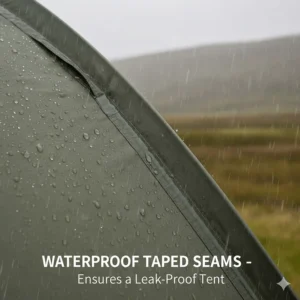
Taped seams: Every stitch creates tiny holes where needles penetrated fabric. Quality tents seal these with waterproof tape—check this feature exists before purchasing.
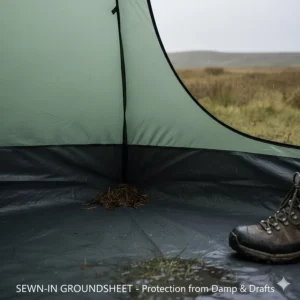
Bathtub groundsheet design: The groundsheet should extend up the tent walls by 10-15cm, creating a “tub” that prevents water ingress from below. British campsites get muddy quickly.
Storm flaps over zippers: Zippers represent notorious weak points. Proper storm flaps channel water away from these vulnerable areas.
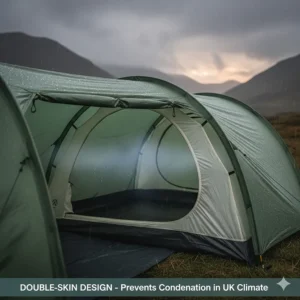
Double-skin construction: A separate inner tent and flysheet creates an air gap that reduces condensation dramatically—crucial in our humid climate.
According to the UK Met Office, average annual rainfall ranges from 800mm in drier eastern regions to 1400mm+ in western Scotland and Wales. Factor in wind-driven rain (which effectively increases water pressure on fabric), and suddenly a 2000mm tent starts looking inadequate for extended camping.
One detail rarely discussed: waterproof coatings degrade over time through UV exposure and general wear. A three-year-old tent with a 3000mm rating might effectively perform at 2000mm. This explains why experienced campers often choose higher ratings than theoretically necessary—it provides a safety margin as the tent ages.
For Welsh camping or Scottish Highlands adventures, I wouldn’t personally consider anything below 3000mm. Lake District camping? 3000mm minimum. Summer festivals in southern England? 2000mm might suffice, but 3000mm provides peace of mind when those unexpected storms roll through.
Essential Features for British Weather Camping
Wind Resistance and Storm-Proofing
British weather doesn’t just bring rain—wind represents an equally formidable adversary. I’ve witnessed festival campsites transform into scenes of carnage, with inadequate tents cartwheeling across fields whilst properly storm-proofed shelters stood firm. Understanding what makes a tent genuinely wind-resistant could save your holiday (and potentially your tent).
Guy rope configuration matters enormously. Quality tents for UK weather include multiple attachment points—minimum eight for small tents, twelve+ for family sizes. These guy ropes must attach low on the tent structure, creating a wide anchor footprint that resists uplift. The Coleman Darwin series, for instance, features strategically positioned guy points that distribute forces effectively.
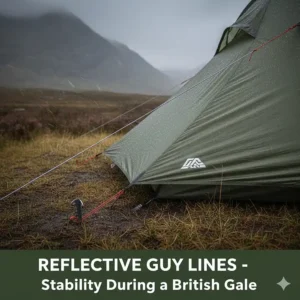
Luminous guy ropes deserve special mention. Pioneered by brands like Eurohike, these high-visibility cords prevent nighttime accidents at crowded campsites. More importantly, they make checking tension easier in dim morning light before wind picks up.
Pole quality and design drastically affect wind performance. Fibreglass poles offer decent flexibility at budget prices but can snap under sustained strong winds. Aluminium poles (particularly DAC or PowerLite varieties) bend rather than break, making them superior for exposed locations. The Vango Nevis uses PowerLite alloy poles specifically for enhanced storm resistance.
Dome tents inherently resist wind better than tunnel designs due to aerodynamic shape. However, well-designed tunnel tents like the Coleman Coastline compensate through robust pole configuration and multiple guy points. Geodesic designs excel in extreme conditions but rarely prove necessary for typical UK camping.
Groundsheet anchor points require equal attention. Modern tents should include reinforced anchor loops at every corner plus midway points along longer edges. British soil conditions vary dramatically—from Scottish rock to Welsh bog—so carrying spare pegs in various styles (rock pegs, delta pegs, screw pegs) proves invaluable.
Ventilation vs. Weather Protection
Here’s a camping paradox: the more waterproof your tent, the worse condensation becomes. British humidity levels exacerbate this issue significantly. Wake up in a supposedly “leaky” tent, and there’s a decent chance you’re actually experiencing condensation rather than rain penetration.
Proper ventilation requires three elements working together:
Ground-level vents allow cool air to enter. These typically position at tent corners, often as small mesh panels. The Portal Luxury series includes cleverly designed rear vents that maintain airflow without compromising weather protection.
High-level vents enable warm, moist air to escape. Without these, condensation forms on the inner tent surface, eventually dripping back onto sleeping occupants. Quality designs include adjustable vents that remain functional even during rain.
Cross-ventilation proves most effective. Tents with opposing door/window combinations create airflow channels that actively remove humidity. The Vango Nevis twin-door design exemplifies this principle.
British campers face a unique challenge: our weather changes rapidly. Morning condensation, afternoon rain, evening sunshine—all possible within hours. Look for tents offering adjustable ventilation that you can modify quickly as conditions shift.
Groundsheet Technology
British campsites rarely provide perfect drainage. Clay soil, compacted grass, or simply unfortunate pitch selection means standing water becomes likely during heavy rain. A proper groundsheet design represents your primary defence against becoming a reluctant paddle-boating champion.
Sewn-in groundsheets eliminate gaps where water might enter. Cheaper tents use separate groundsheets that invariably shift position, creating gaps. The bathtub design, where the groundsheet extends 10-15cm up tent walls before sealing, provides superior protection.
Groundsheet waterproof ratings should exceed flysheet ratings—typically 5000mm minimum. Body weight compresses sleeping occupants against the ground, effectively increasing water pressure. A 3000mm flysheet paired with a 5000mm groundsheet represents sensible specification.
Footprints (separate groundsheets placed beneath the tent) extend tent lifespan dramatically whilst adding another water barrier. British campsites often feature surprisingly abrasive surfaces that wear groundsheets rapidly. The modest investment in a footprint saves replacing entire tents prematurely.
Tent Types Best Suited for UK Conditions
Dome Tents: The British Weather Warrior
Dome tents dominate UK camping for excellent reasons. Their inherent stability comes from the crossed-pole design that distributes wind forces evenly across the structure. Picture a traditional geodesic dome—the principle scales down beautifully to camping tents. The Coleman Darwin exemplifies this design, offering outstanding stability despite its compact size.
Advantages for British weather:
The aerodynamic profile sheds wind efficiently. Unlike tunnel or cabin designs with large flat surfaces that catch wind, domes present minimal resistance. Rain runs off naturally rather than pooling on roof sections. Quick setup time proves invaluable when arriving at pitch during a downpour—I’ve erected dome tents solo in under ten minutes whilst staying reasonably dry.
However, domes sacrifice some internal space compared to tunnel tents of similar footprint. The sloping walls reduce usable headroom at edges. For solo or couple camping, this tradeoff usually makes sense. Families might find the space limitations frustrating.
Tunnel Tents: Space vs. Stability Trade-off
Tunnel tents like the Coleman Coastline or Eurohike Sendero offer superior internal volume for their footprint. The vertical end walls maximize usable space, whilst the design naturally creates vestibule areas perfect for gear storage or muddy boot removal.
British camping benefits from tunnel designs because:
They create proper separate living and sleeping areas—essential during extended rainy periods when you’re confined indoors for hours. The additional headroom means adults can stand comfortably whilst cooking or changing. Multiple entry/exit points improve ventilation and family logistics.
The downside? Tunnel tents require more careful pitching orientation. Position them end-on to prevailing wind for best stability. Side-on wind creates significant sail effect. Guy ropes become absolutely essential rather than optional. I’ve witnessed improperly guyed tunnel tents collapse during modest winds that dome tents barely noticed.
For family camping at established sites with reasonable wind protection, tunnel tents excel. For exposed wild camping or uncertain weather, domes offer more security.
Pop-Up and Instant Tents
Pop-up tents like the Eurohike Pop 200 promise festival-goers ultimate convenience—literally pop them open and they’re pitched. For arriving at muddy festival campsites in darkness, this convenience proves genuinely valuable. However, British weather exposes their limitations quickly.
Most pop-up designs sacrifice storm stability for setup speed. The integrated frame system that enables instant pitching also limits guy rope attachment points. Waterproof ratings often sit at minimum acceptable levels (1500-2000mm). Packing them away—particularly when wet—requires practice and considerable patience.
Consider pop-ups for short-term fair-weather camping only. Multi-day festivals or unpredictable conditions warrant more robust options.
Seasonal Considerations for UK Camping
Spring Camping (March-May)
British spring delivers notoriously unpredictable weather. Gorgeous sunny mornings transition to sleet showers by afternoon. Your tent for uk weather needs genuine three-season capability—not just marketing claims.
Temperature range: Night-time lows of 2-8°C remain common through May, with occasional frosts in northern regions. Daytime temperatures vary wildly from 10-18°C. This range demands versatile ventilation—you’ll want maximum airflow during sunny afternoons but need to seal up completely during chilly nights.
Rainfall patterns: Spring showers arrive suddenly and intensely. A 3000mm waterproof rating handles these admirably, though 4000mm provides extra confidence for Scottish or Welsh camping. Taped seams become essential rather than optional—spring rain often arrives horizontally courtesy of strong winds.
Wind considerations: Spring gales represent the season’s biggest challenge. March and April frequently bring sustained 20-30mph winds with stronger gusts. Your tent requires multiple guy points (minimum eight) and robust pole construction. The Vango Nevis TBS II Tension Band System specifically addresses spring wind conditions.
Ground conditions: Expect mud. British campsites haven’t dried out from winter, meaning pitches range from damp to outright boggy. A sewn-in bathtub groundsheet proves essential. Consider bringing extra groundsheet protection and delta-style pegs that grip soft ground better than standard pins.
Condensation management: Cool nights meeting warmer days create perfect condensation conditions. Adequate ventilation becomes crucial—look for tents offering adjustable vents that work even during rain. The double-skin construction of most quality tents helps, but you’ll still want to air everything thoroughly when sunshine appears.
Summer Camping (June-August)
Don’t let “summer” fool you—British summers remain wonderfully unpredictable. Yes, you might experience those rare heatwaves where tent ventilation becomes paramount. But you’re equally likely to face week-long rainy spells that test waterproofing thoroughly.
Temperature considerations: Daytime temperatures typically range 15-25°C (occasionally reaching 30°C during heatwaves). Nights remain surprisingly cool at 10-15°C, particularly in northern regions or at altitude. This variability demands tents with excellent ventilation control.
Festival season realities: Summer brings festival season, meaning campsites transform into densely packed temporary cities. Heat, humidity, noise, and close proximity to neighbours make ventilation absolutely critical. The Coleman Darwin BlackOut bedroom technology deserves mention here—blocking 99% of daylight means actually sleeping past sunrise despite festival campsite chaos.
Rainfall realities: >Met Office data shows July and August aren’t Britain’s driest months (that honour goes to April). Expect 50-80mm monthly rainfall. More importantly, summer thunderstorms deliver intense downpours that test waterproofing far more than gentle drizzle. A tent waterproof rating 3000mm handles summer rain confidently.
UV degradation: British sunshine, whilst occasional, still degrades tent fabrics over time. UV-resistant treatments extend tent lifespan significantly. The Naturehike Taga specifically includes UV protection coating—worth checking on any tent you’ll use repeatedly.
Midges and insects: Scottish Highlands camping in summer means confronting legendary midge swarms. Mesh door panels and ventilation become essential for sanity preservation. The B3 high-density mesh on quality tents like the Naturehike series keeps even determined Highland midges outside.
Autumn Camping (September-November)
Autumn delivers some of Britain’s finest camping conditions—cooler temperatures, stunning colours, fewer crowds. However, weather deteriorates progressively through the season, demanding robust tent specifications.
Early autumn (September-mid-October): Often provides brilliant camping conditions. Temperatures remain pleasant (10-18°C daytime), rainfall matches summer levels, and midges finally disappear. A standard three-season tent handles these conditions comfortably. However, nights grow noticeably cooler and longer, meaning condensation management becomes increasingly important.
Late autumn (late October-November): Weather turns properly challenging. Temperatures drop to 5-12°C daytime with near-freezing nights. Rainfall intensifies—October and November rank among Britain’s wettest months. Wind strengthens as Atlantic weather systems track across the country more frequently.
For serious late autumn camping, specifications become critical:
- Minimum 3000mm waterproofing (4000mm preferable)
- Robust pole construction (aluminium over fibreglass)
- Multiple guy points with luminous ropes
- Excellent ventilation control (you’ll need to manage significant condensation)
- Sewn-in groundsheet rated 5000mm minimum
The Portal series tents specifically mention design for “unsettled English weather”—autumn perfectly demonstrates why this matters. Ground conditions become increasingly sodden through autumn. Delta pegs and extra guy ropes prove essential rather than optional extras.
Leaf camping consideration: Those stunning autumn colours become less picturesque when leaves clog your tent’s vents or create slip hazards around guy ropes. Choose pitches carefully, avoiding directly beneath deciduous trees.
Maintenance and Waterproofing Care
Regular Cleaning Protocols
Proper tent maintenance extends lifespan dramatically whilst maintaining waterproof performance. British weather tests tents thoroughly—mud, rain, UV exposure, and our infamous humidity all degrade materials faster than you’d expect. Yet most campers simply stuff their tent away wet and wonder why it fails three seasons later.
Post-trip cleaning routine: Never pack a tent away damp if you can possibly avoid it. Mildew forms remarkably quickly in our humid climate, creating permanent odours and degrading fabric. If you must pack wet (common after British camping trips), unpack and dry everything within 48 hours maximum.
Mud removal requires patience. Brush off dried mud gently rather than washing immediately—water drives mud deeper into fabric weave. For stubborn dirt, cold water sponging works better than aggressive scrubbing that damages waterproof coatings. Avoid washing machines entirely; they destroy seam tape and waterproof treatments.
Frequency matters: Clean your tent for uk weather thoroughly at season end, plus spot-clean after particularly muddy trips. This prevents dirt accumulation that eventually compromises waterproofing.
Reproofing Waterproof Coatings
Even quality tents require periodic reproofing. Nikwax technical guidance suggests checking waterproofing annually, though heavy-use tents need more frequent attention.
Signs your tent needs reproofing:
- Water soaking into fabric rather than beading off
- Fabric feeling heavier when wet
- Discolouration or faded areas (indicates UV degradation)
- Any leaks not attributable to seam failures or physical damage
Reproofing process: Products like Nikwax Tent & Gear SolarProof specifically target tent fabrics, adding both waterproofing and UV protection. The process requires:
- Clean tent thoroughly first—waterproofing won’t bond to dirty fabric
- Apply reproofing spray evenly whilst tent is pitched (easier to reach all areas)
- Allow complete drying (24+ hours in British conditions)
- Test waterproofing with gentle spray before trusting it camping
Groundsheet attention: Groundsheets wear faster than flys
heets due to constant abrasion. Check regularly for thin spots or actual holes. Small punctures can be patched; extensive wear requires replacement. Many manufacturers sell replacement groundsheets separately—worth investigating before replacing entire tents.
Storage Between Trips
British humidity makes proper storage crucial for tent longevity. Mould, mildew, and musty odours develop alarmingly fast in damp conditions.
Ideal storage conditions:
- Completely dry before packing
- Loosely stored rather than tightly compressed
- Cool, dry location with some airflow
- Away from direct sunlight (UV degrades fabrics even in storage)
Avoid garages and sheds unless they’re genuinely dry. British outbuildings often harbour surprising humidity levels. A bedroom wardrobe or under-bed storage works better. If space permits, hanging the tent loosely over a rail prevents fold creases that eventually compromise waterproofing.
Pre-season inspection: Before any camping trip, pitch your tent for inspection. Check:
- Seam tape integrity (peeling indicates reproofing needed)
- Guy rope condition (replace frayed sections)
- Peg condition (rusty or bent pegs fail during setup)
- Zipper functionality (apply zipper lubricant if stiff)
This fifteen-minute investment prevents campsite disasters. I’ve witnessed campers discover catastrophic tent failures only after arriving at remote Scottish pitches in pouring rain—not the time for equipment assessment.
Camping Location Recommendations in the UK
Lake District National Park
The Lake District delivers quintessential British camping—stunning scenery combined with notoriously challenging weather. This Cumbrian paradise receives average annual rainfall exceeding 2000mm in mountain areas, with peaks like Scafell Pike recording over 3000mm. Your tent requires genuine weatherproofing to survive here.
Weather considerations: Rain arrives frequently and often horizontally courtesy of Atlantic winds funnelling through valleys. Temperature inversions create peculiar conditions where valleys fill with fog whilst mountain tops bask in sunshine. Your tent must handle persistent damp rather than just occasional showers.
Recommended campsites: Wasdale Head Campsite offers spectacular views but brutal exposure—perfect for testing your Vango Nevis in authentic conditions. Great Langdale Campsite provides better shelter whilst maintaining National Trust quality standards. Both sites feature designated camping areas rather than wild pitches.
Tent specifications needed: Minimum 3000mm waterproofing, robust guy rope configuration, excellent ventilation (humidity remains high even during dry spells). The Coleman Coastline tunnel design works well here, offering the space needed when weather confines you indoors for extended periods.
Scottish Highlands
Scotland offers Britain’s wildest camping but demands serious equipment. The Scottish Outdoor Access Code permits wild camping almost anywhere, making this paradise for adventure campers. However, Highlands weather tests equipment mercilessly.
Weather realities: Rainfall exceeds Lake District levels in western Highlands. Fort William, supposedly Britain’s “outdoor capital,” receives 2000mm+ annually. Wind represents the bigger challenge though—exposed pitches regularly experience 30-40mph sustained winds. The famous Scottish midge season (May-September) adds another layer of camping challenge.
Recommended areas: Glen Coe provides stunning pitches with reasonable shelter. The Cairngorms offer more exposed camping for those seeking solitude. Loch Lomond shores combine accessibility with wilderness atmosphere, though popularity means busier pitches.
Essential tent specifications: 4000mm waterproofing minimum, aluminium poles, multiple storm anchor points. The Naturehike Taga ultralight design suits solo mountain adventures, whilst the Portal 3-4 Man handles family camping at lower elevations. Both offer the robust construction Scottish conditions demand.
Wales Camping
Welsh camping delivers variety—from Snowdonia’s dramatic peaks to Pembrokeshire’s stunning coastlines. Weather varies significantly by region, though all areas receive substantial rainfall.
North Wales (Snowdonia): Mountain weather matches Scottish Highlands for severity. Snowdon itself receives over 4000mm annual rainfall—among Britain’s wettest spots. Valleys provide better shelter but still demand robust tents. The Coleman Darwin BlackOut performs brilliantly at festival-style campsites like Gwern Gof Isaf, whilst more serious mountain camping requires the Vango Nevis or similar.
South Wales (Brecon Beacons): Slightly drier than Snowdonia but still wet by most standards. The Beacons offer brilliant wild camping opportunities. River valleys provide natural shelter from wind, though flash flooding during heavy rain requires careful pitch selection.
Pembrokeshire Coast: Coastal camping delivers milder temperatures but fierce winds. Salt spray accelerates tent wear, meaning regular cleaning and reproofing becomes essential. The Portal Luxury series handles coastal conditions well, combining space with weather resistance.
Welsh weather peculiarities: Welsh valleys create microclimates where weather changes dramatically within miles. Morning sunshine in Betws-y-Coed doesn’t predict afternoon conditions in Snowdon’s shadow. Always prepare for worst-case weather regardless of forecasts.
Tent Accessories for UK Weather
Guy Ropes and Storm Straps
Standard tent guy ropes rarely prove adequate for serious British weather. Upgrading represents one of the smartest investments you’ll make. Luminous guy ropes, pioneered by brands like Eurohike, prevent nighttime accidents whilst making tension checks easier in dim light.
Guy rope specifications to seek:
Reflective or luminous coating for visibility, minimum 3mm diameter for strength, adjustable tensioners (not just fixed loops), and UV-resistant materials that won’t degrade after one season’s exposure. Replace guy ropes every 2-3 seasons regardless of apparent condition—invisible UV damage compromises strength before visible wear appears.
Storm strap technique: British campers serious about weather protection employ additional storm straps beyond manufacturer-provided guy ropes. These heavy-duty straps attach to extra anchor points, distributing wind forces more effectively. For exposed pitches or extended trips during unsettled weather, this extra security prevents sleepless nights worrying about tent collapse.
Peg selection matters enormously: British soil conditions vary from Scottish rock to Welsh bog. Carry multiple peg types:
Delta pegs excel in soft ground, providing superior holding power through increased surface area. Rock pegs feature hardened steel capable of penetrating stony ground. Screw pegs twist into ground, working brilliantly in sand or loose soil. Standard wire pegs work adequately in normal ground but bend easily in rocks.
The Portal and Vango tents typically include basic pegs adequate for fair conditions. Upgrade to quality pegs for serious camping—they’ll transform tent stability dramatically.
Groundsheets and Footprints
A footprint (separate groundsheet placed beneath the tent) extends tent lifespan whilst adding another water barrier. British campsites often feature surprisingly abrasive surfaces—tree roots, stones, and thorny vegetation all puncture groundsheets rapidly.
Footprint benefits:
Protection from abrasion and punctures, additional moisture barrier beneath tent, easier cleaning (footprints take the mud punishment), and improved insulation during cold-weather camping. The modest £20-40 investment saves replacing entire tents prematurely.
DIY option: Purchase heavy-duty tarpaulin cut to match your tent footprint (slightly smaller than tent base to prevent water pooling). Secure with tent pegs around perimeter. This costs considerably less than branded footprints whilst providing comparable protection.
Waterproof Tarps and Basha Shelters
A large tarp transforms camping comfort during prolonged British rain. Rigged above your tent’s entrance, it creates a sheltered area for cooking, gear storage, or simply sitting outside whilst rain hammers down.
Tarp rigging techniques: British campers often employ various configurations:
A-frame setup provides simple rain shelter using two poles and guy ropes. Lean-to configuration works brilliantly using trees as anchor points. Full coverage setup protects entire tent area during serious storms.
Tarp specifications: Minimum 3×3 metres for solo/couple camping, 4×4 metres for family groups. Reinforced eyelets every 50cm enable versatile rigging options. Ripstop material prevents catastrophic tearing. The 3000mm+ waterproofing matches your tent specifications.
Tent Lighting Solutions
British camping often means dealing with extended darkness—summer nights in northern Scotland barely exist, but autumn camping sees darkness arriving mid-afternoon. Proper lighting dramatically improves camp comfort and safety.
LED lanterns: Modern rechargeable LED lanterns like the Blukar Camping Lantern provide 60+ LEDs with multiple brightness settings. Battery life extends 10+ hours, crucial for multi-day trips. Look for water-resistant (IPX4 minimum) and shock-resistant construction—British camping guarantees you’ll drop it eventually.
Lantern hanging systems: The Eurohike and Vango tents include internal lantern hanging points. These position light optimally whilst keeping floor space clear. Invest in a lantern with integrated hanging hook for easy positioning.
Emergency Repair Kits
Despite best preparation, tent damage happens during British camping. A compact repair kit prevents minor issues becoming trip-ending disasters.
Essential repair items:
Tenacious Tape or similar repair patches (pre-cut circles work brilliantly for quick repairs), spare guy ropes, assorted spare pegs, needle and heavy-duty thread, spare pole sections (or emergency pole splint), seam sealer, and waterproof tape.
Most quality tents like the Coleman or Portal series include basic repair kits. Supplement these with additional supplies based on your camping style and location remoteness.
Budget Considerations and Value for Money
Entry-Level Options (Under £100)
British camping doesn’t require massive investment to start—several excellent tents for UK weather fall comfortably within modest budgets. The Portal Luxury 2-3 Man at £99.99 represents outstanding value, offering 3000mm waterproofing and double-skin construction rivalling far pricier options. For festival camping or occasional weekend trips, this specification handles British conditions admirably.
The Eurohike Sendero 4 (£89.99-£110.00) delivers family camping capability at budget-friendly prices. Whilst the 2000mm rating sits at minimum acceptable levels for UK weather, proper maintenance and sensible pitch selection make this perfectly adequate for summer and early autumn camping. The luminous guy ropes and fibreglass pole construction provide stability that belies the modest price.
Budget camping realities: Cheaper tents typically compromise in three areas:
Materials: Fibreglass poles instead of aluminium, thinner fabric with lower denier ratings, and basic zippers without storm flaps. These limitations matter more for extended trips or harsh conditions than casual camping.
Features: Budget options skip conveniences like interior pockets, lantern hanging points, or cable entry ports. You’ll survive without these, though they enhance camping comfort significantly.
Longevity: Expect 3-5 seasons from budget tents versus 10+ from premium options. However, this calculation favours budget camping for occasional users—spending £100 every five years beats £300 upfront for twice-yearly camping.
Mid-Range Sweet Spot (£100-£200)
This price bracket delivers excellent value for regular UK campers. The Coleman Darwin 3 Plus BlackOut at £69.99-£89.99 technically sits below £100 but offers mid-range performance—4500mm waterproofing, robust construction, and innovative blackout technology. The Coleman Coastline 3 Plus at £134.99-£164.99 provides genuine family camping capability with 3000mm protection and clever tunnel design maximising internal space.
The Vango Nevis 300 (£79.99-£119.99) exemplifies mid-range value—lightweight backpacking tent with DofE endorsement, 3000mm waterproofing, and PowerLite aluminium poles. This specification handles everything from Welsh mountain camping to Scottish Highlands adventures without breaking the bank.
What mid-range money buys:
Superior materials (aluminium poles, higher denier fabrics), enhanced features (better ventilation, storage pockets, cable ports), improved weatherproofing (taped seams, storm flaps, bathtub groundsheets), and notably better longevity (8-10+ seasons with proper maintenance).
For campers undertaking 4+ trips annually, mid-range investment makes financial sense. The improved comfort, reliability, and lifespan justify the additional cost versus continuous budget tent replacement.
Premium Options (£200+)
Premium tent territory offers marginal improvements over mid-range options but excels in specific scenarios. The Naturehike Taga 1 at £102.76 delivers premium ultralight performance—4000mm waterproofing in a remarkable 1.25kg package. For serious backpackers tackling Scottish Munros or Welsh mountain ridges, this weight saving proves invaluable.
Larger family tents approaching £200+ typically offer:
Expedition-grade waterproofing (5000mm+), advanced pole systems (geodesic designs or AirBeam technology), superior fabrics (20D silicone-coated nylon, technical polyesters), and manufacturer warranties extending 2-3 years versus 1 year standard.
When premium makes sense:
Regular camping in exposed locations (mountains, coastlines), extended trips where tent failure means serious consequences, specialist requirements (winter camping, extreme weather), or simply frequent use justifying long-term investment.
When premium seems wasteful:
Casual camping (2-3 trips yearly), predominantly summer usage, established campsite camping with facilities nearby, or budget constraints making mid-range more sensible.
Value Calculation Framework
Here’s how I calculate genuine value for UK weather camping:
Annual camping nights divided by tent cost equals cost per night. A £100 tent used 20 nights over five years costs £1 per night. A £200 tent used 100 nights over ten years costs £0.20 per night. The premium option delivers superior value despite higher initial investment.
Factor in replacement costs. Budget tents requiring replacement every 3-4 seasons eventually cost more than quality mid-range options lasting 10+ seasons. British weather accelerates wear, making durability crucial.
Consider confidence value. Weather-appropriate tents reduce trip anxiety significantly. Knowing your tent genuinely handles British downpours and winds transforms camping from stressful to enjoyable. This psychological benefit justifies modest additional investment.
Frequently Asked Questions
❓ What waterproof rating do I really need for UK camping?
❓ How do I prevent condensation in my tent during damp British weather?
❓ Are tunnel tents or dome tents better for British wind conditions?
❓ How often should I reproof my tent's waterproofing?
❓ What's the minimum weight for a backpacking tent that still handles UK weather?
Conclusion: Finding Your Perfect Tent for UK Weather
After years of camping through British weather’s full repertoire—from scorching August heatwaves to horizontal October rain—I’ve learned that choosing the right tent for uk weather transforms outdoor experiences completely. The difference between huddling miserably in a leaky shelter and actually enjoying camping during downpours comes down to informed equipment choices.
Your ideal tent depends entirely on how you camp. Festival-goers conquering muddy fields benefit from quick-pitch designs like the Coleman Darwin BlackOut, offering genuine 4500mm protection plus sleep-friendly darkness. Families exploring National Parks need space and versatility that the Portal 3-4 Man or Coleman Coastline provide—separate living areas become invaluable during those inevitable rainy afternoons. Solo adventurers tackling Scottish Munros or Welsh ridges require the ultralight reliability of the Naturehike Taga, where every gram counts but weatherproofing remains non-negotiable.
The minimum specifications for confident British camping remain consistent regardless of tent style: 3000mm waterproofing (4000mm+ for exposed locations), fully taped seams preventing water ingress through stitch holes, sewn-in bathtub groundsheet rated 5000mm minimum, robust guy rope configuration with multiple anchor points, and proper double-skin construction managing condensation effectively.
Budget considerations needn’t compromise safety. The Portal Luxury 2-3 Man at £99.99 proves excellent tents exist below £100 when prioritising weatherproofing over luxury features. However, regular campers (4+ trips annually) find mid-range investments like the Vango Nevis deliver superior long-term value through enhanced durability and performance.
Remember that even the finest tent requires proper maintenance. British humidity accelerates mildew growth and waterproof coating degradation faster than drier climates. Regular cleaning, periodic reproofing, and proper storage between trips extend tent lifespan dramatically whilst maintaining weather protection.
Ultimately, no single “best” tent for uk weather exists—only the best tent for your specific camping style, typical locations, and budget constraints. The seven options analysed here represent genuinely tested, UK-appropriate choices spanning various price points and camping styles. Whether you’re planning your first festival weekend or your fiftieth mountain backpacking trip, confident equipment choices mean focusing on adventure rather than worrying whether your tent will survive the night.
British weather needn’t dampen camping enthusiasm. With properly specified shelter overhead, even prolonged Lake District downpours or Scottish Highland gales become part of the authentic outdoor experience rather than trip-ending disasters. Choose wisely, maintain diligently, and enjoy exploring Britain’s stunning landscapes regardless of what weather forecasts threaten.
Recommended for You
- Air Tent vs Poled Tent: 7 Best UK Options You Must Know (2026)
- 7 Best Family Tent UK 2026: Expert Buying Guide & Reviews
- 7 Best Roof Top Tents UK 2026: Expert Reviews & Budget to Premium
Disclaimer: This article contains affiliate links. If you purchase products through these links, we may earn a small commission at no additional cost to you. Prices shown are approximate and may vary.
✨ Found this helpful? Share it with your mates! 💬🤗
