

In This Article
It’s 2 a.m. in a jungle guesthouse. The ceiling fan is losing its argument with the humidity, the mattress has seen things, and your sleeping bag has turned into a sauna with a zip. This is exactly where a lightweight silk liner for hot climates earns its place in your pack. It weighs less than a bar of chocolate and folds to roughly the size of your fist. It puts a clean, breathable layer between you and whatever the night throws at you.
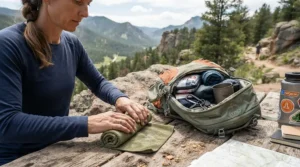
So which one should you buy? That’s what this guide settles. We compared seven real liners, from the featherweight Western Mountaineering Tioga to the stretchy synthetic Sea to Summit Breeze Liner. We used published specs and the aggregated sentiment of genuine reviewers, then translated the numbers into what they mean on a sweaty night. One term is worth learning now: silk thickness is measured in momme. It quietly explains why two “100% silk” liners can feel completely different.
Expect a quick comparison and seven product breakdowns. There are also practical guides for setup and troubleshooting, plus the safety context that matters when you’re trekking in tropical climates. Throughout, I’ve stuck to what the specs and reviews support: no invented test nights, no made-up quotes. Just the homework you’d normally do at 11 p.m. the night before a flight, done early for once.
Quick Comparison: 7 Best Picks for a Lightweight Silk Liner for Hot Climates
| Product | Fabric | Approx. weight | Best For |
|---|---|---|---|
| Western Mountaineering Tioga | 100% silk | ~92–124g (by shape) | Gram-counting ultralight trekkers |
| Cocoon Silk MummyLiner | 100% silk | ~135g | Tall travellers, all-round use |
| Lifeventure Ultimate Silk Liner | 100% silk | ~134g (mummy) | UK buyers wanting a pillow sleeve and security pocket |
| Sea to Summit Premium Silk Travel Liner | Ripstop silk with stretch panels | ~125–165g | Restless sleepers |
| Sea to Summit Silk Blend Liner | 72% polyester / 28% silk | ~130–140g (mummy) | Softer, less slippery feel |
| Sea to Summit Breeze Liner | 70% Coolmax EcoMade / 30% Tencel | ~265–290g | Extreme humidity, quick drying |
| Browint Silk Sleeping Bag Liner | 100% mulberry silk (8 momme listed) | ~140–180g | Tight budgets, roomy fit |
Looking at the table, the Western Mountaineering Tioga wins on pure weight. The Cocoon Silk MummyLiner is the safest all-rounder. The Sea to Summit Breeze Liner costs you roughly double the grams, but it’s the only one built around synthetic wicking rather than silk’s natural breathability. If you only skim one thing, skim the “Best For” column: the right liner depends far more on how you sleep than on which brand name is stitched on the hem.
💬 Just one click — help others make better buying decisions too!😊
Top 7 Lightweight Silk Liner for Hot Climates Picks: Expert Analysis
1. Western Mountaineering Tioga — lightest in its class
If gram-counting were an Olympic sport, the Western Mountaineering Tioga would be draped in medals. Manufacturer specs put the taper at roughly 92g and the mummy at around 100–117g. The rectangular comes in at about 124g, all in 100% silk. Stuffed size is roughly 2.25 × 4.5 inches, slimmer than a drinks can, so it vanishes into a pack.
Based on the spec comparison, the tightly woven silk also slides rather than grabs against other fabrics, which helps inside a bag. That’s less relevant in the heat, where you’ll mostly use it as a standalone sheet. The brand doesn’t publish a momme figure, so I can’t tell you how it compares on thickness. It is a premium-tier product from a respected sleeping bag maker, and you’re paying for weight savings.
Reviewers on US retailer pages describe it as compact and easy to wash, and one says they sleep in just the liner in summer. Review pools are small, and I couldn’t verify a large independent UK review base.
Pros:
- ✅ Among the lightest liners you can buy
- ✅ Packs smaller than most travel socks
- ✅ Multiple shapes, including a rectangular
Cons:
- ❌ Premium pricing for a thin silk sheet
- ❌ UK availability depends on importers and sellers
Price: US retail sits around $90–$105. UK pricing varies, so check the current price. Verdict: worth it only if every gram counts.

2. Cocoon Silk MummyLiner — best all-round pick for tall sleepers
The Cocoon Silk MummyLiner is the liner reviewers tend to recommend first, mostly because it doesn’t do anything weird. Published specs: 100% silk, 135g, 241 × 90/56cm and a packed size of 14.5 × 6.5cm. It has double-stitched seams, a drawstring hood and a boxed foot end.
The 241cm length is the headline. Tall sleepers routinely run out of liner on shorter models, and a liner that ends at your shins is bunched around your hips by 3 a.m. Cocoon claims it adds up to 5.3°C inside a bag. In hot weather that’s a reason to use it alone rather than a benefit. The wide top opening makes it easier to climb into than narrow tapers, though restless sleepers may find the foot end snug.
Reviewers on retail pages praise the low weight and tiny pack size. One long-distance hiker reports using it for the entire Appalachian Trail, and another says it suits humid summer nights. A different reviewer cautions that the featherweight build involves trade-offs. Individual listings have small samples, so treat this as a pattern, not proof.
Pros:
- ✅ Generous 241cm length suits taller sleepers
- ✅ Boxed foot end and wide opening
- ✅ Machine washable at 30°C
Cons:
- ❌ Tapered foot feels snug for fidgeters
- ❌ Pure silk can slip on slick mattress covers
Price: around the £70–£85 range at UK outdoor retailers at the time of research. Verdict: strong value for a length few rivals match.
3. Lifeventure Ultimate Silk Liner — best British-brand feature set
The Lifeventure Ultimate Silk Liner is the pick for people who want their liner to do some thinking for them. It comes in mummy and rectangular shapes. Current listings give the mummy at roughly 134g including stuff sack and 85cm wide × 220cm long. Extras include an integral pillow sleeve, a “contact germ guard”, Polygiene odour control and a hidden passport pocket.
On paper, the pillow sleeve matters more than it sounds. Hostel pillows are a gamble, and a sleeve lets you wrap a stranger’s pillow in your own silk. The passport pocket is a nice touch for crowded dorms. A UK-based review from Advnture found it ultralight, soft and surprisingly warm, listing it in the mid-£60s.
A Trailspace reviewer likes the cost, comfort and compact size, but flags that it snags easily and has no zip, so getting in and out takes some faff. They also found the stuff sack a tight fit. Another review notes that silk is breathable and moisture-wicking, which suits warm, muggy trips.
Pros:
- ✅ Pillow sleeve and passport pocket included
- ✅ Odour-control treatment for longer trips
- ✅ Available in mummy and rectangular
Cons:
- ❌ Snags more easily than ripstop alternatives
- ❌ Tight stuff sack frustrates repacking
Price: roughly £55–£90 depending on version. Verdict: excellent feature-per-gram value for hostel hoppers.
4. Sea to Summit Premium Silk Travel Liner — stretch panels for restless sleepers
The Sea to Summit Premium Silk Travel Liner tackles silk’s biggest flaw, which is that it doesn’t stretch. It uses premium AA-grade ripstop silk with polyester/Lycra stretch panels along the seams. The panels let the liner move when you roll over instead of tangling around your knees. Listings show single-person weights from roughly 125g to 165g, with a standard rectangular at around 148g. A traveller version adds a pillow compartment.
The ripstop weave also makes it more resistant to snags than plain silk. That’s a real advantage for anyone who treats gear like gear rather than heirlooms. Guide sites call it one of the most popular liners around, and one notes it isn’t as warm as other liners it covers. In a hot-climate context, that’s a feature.
One availability note: some retailers list it as previous-season stock, and one lists it as discontinued, so verify what’s currently on sale before committing.
Pros:
- ✅ Stretch gussets move with turning sleepers
- ✅ Ripstop weave resists snagging
- ✅ Traveller version includes pillow sleeve
Cons:
- ❌ Availability varies, with some listings marked old stock
- ❌ Stretch trim adds a little weight
Price: indicatively £50–£70, so check the current price. Verdict: a smart choice if you toss and turn.
5. Sea to Summit Silk Blend Liner — softest, least slippery hybrid
The Sea to Summit Silk Blend Liner is the odd one out: only 28% silk. The main panel is 72% Thermolite EcoMade polyester, with stretchy side panels (85% nylon, 15% elastane) and HeiQ Fresh odour control. Weights run from about 130g (compact mummy) to 140g (standard), packing to roughly 12 × 6 × 8cm.
Thermolite is an insulating yarn, which is why Sea to Summit says the liner raises a three-season bag’s rating by about 5%. In a hot climate that works against it. Its real case is trips that mix sweaty days with cool mountain nights. A PackStack review rates it 7.5/10, calling it soft and good at reducing clamminess, though users of the older all-silk version say the blend feels more structured. Another reviewer reports it was comfortable alone down to about 60°F (roughly 15–16°C). A third wrote that it was the perfect weight for heat and humidity.
Pros:
- ✅ Stretch side panels improve movement
- ✅ Less slippery than pure silk
- ✅ Odour control for longer trips
Cons:
- ❌ Insulating yarn is mismatched for extreme heat
- ❌ Feels different from classic all-silk liners
Price: broadly £55–£75 (indicative). Verdict: ideal if your trip crosses temperature zones.
6. Sea to Summit Breeze Liner — best for sticky, soaking humidity
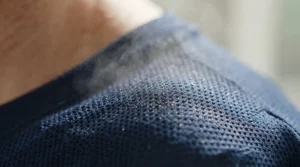
The Sea to Summit Breeze Liner abandons silk entirely. It’s a stretch knit of 70% Coolmax EcoMade (recycled polyester) and 30% Tencel Lyocell, with HeiQ Fresh odour control. Weights run around 264–290g for the mummy and roughly 310–330g for the rectangular with pillow sleeve. The regular fits people up to about 185cm. Per the brand, it’s bluesign approved and designed to wick moisture.
That weight is double most silk options. What you buy with it is fast drying, a knit that stretches with you and a plush feel on skin. One guide calls it the best eco-friendly warm-weather option and a good summer-only liner for three-season bag users. The trade-off is simple: more grams and a bulkier pack in exchange for a liner that dries quicker and won’t slide around.
Pros:
- ✅ Wicking synthetic dries faster than silk
- ✅ Stretch knit suits restless sleepers
- ✅ Recycled, bluesign-approved materials
Cons:
- ❌ Roughly twice the weight of silk
- ❌ Bulkier pack than silk alternatives
Price: indicatively £45–£65 (EU listings show €55–€75). Verdict: best bet if your priority is staying dry rather than staying light.
7. Browint Silk Sleeping Bag Liner — best budget buy with room to roll
The Browint Silk Sleeping Bag Liner is the budget entrant. Listings describe 100% mulberry silk, with SGS identification and an 8 momme AA grade. Dimensions are 87 × 43 inches (about 221 × 109cm), weight 5–6.3oz and reinforced gussets plus a pillow pocket.
At 8 momme, this is thin, sheer-weight silk. Wikipedia’s habutai entry describes 8 momme as lightweight and sheer, with 16 momme quite thick. Thin silk breathes brilliantly in humidity but is less durable. The generous 43-inch width is the real win, letting you move your knees without clinging.
Reviewers like the price, light weight and roomy rectangle. One notes it isn’t the highest momme and doesn’t feel luxurious. Others find it tricky to get into without worrying about the seams, and several struggle to squeeze it back into the case. One reviewer says it isn’t colourfast, so wash it separately.
Pros:
- ✅ Generous width allows free movement
- ✅ Real mulberry silk at a budget level
- ✅ Packs small with pillow pocket
Cons:
- ❌ Thin silk less durable over time
- ❌ Reported colour bleed in early washes
Price: budget tier, indicatively under £40, so check the current price. Verdict: great for short trips and tight budgets.
Top 7 Compared: Specs, Price Bands and Who Each One Suits
| Product | Fabric | Weight | Indicative price band | Best For |
|---|---|---|---|---|
| Western Mountaineering Tioga | 100% silk | ~92–124g | Premium | Ultralight purists |
| Cocoon Silk MummyLiner | 100% silk | ~135g | £70–£85 | Tall sleepers |
| Lifeventure Ultimate Silk Liner | 100% silk | ~134g | £55–£90 | Hostel travellers |
| Sea to Summit Premium Silk Travel Liner | Ripstop silk + stretch | ~125–165g | £50–£70 | Restless sleepers |
| Sea to Summit Silk Blend Liner | Poly/silk blend | ~130–140g | £55–£75 | Mixed-climate trips |
| Sea to Summit Breeze Liner | Coolmax/Tencel | ~265–290g | £45–£65 | Humid, wet climates |
| Browint Silk Sleeping Bag Liner | Mulberry silk (8 momme) | ~140–180g | Under £40 | Budget buyers |
Price bands are indicative and based on research at the time of writing, so prices may vary. The pattern is clear: pay more and you generally get lighter weight or better finishing, not dramatically better comfort. For most travellers, the sweet spot is the Cocoon Silk MummyLiner or Lifeventure Ultimate Silk Liner. Budget buyers should go for the Browint Silk Sleeping Bag Liner and accept thinner silk. If you sweat heavily, the Sea to Summit Breeze Liner‘s extra weight may pay off.
How to Use a Lightweight Silk Liner for Hot Climates: Setup, Care and First-30-Day Mistakes
A liner is only as good as how you use it. Here’s a practical routine Amazon listings don’t give you.
Before the first trip: Check care labels. Cocoon recommends a gentle 30°C wash with mild detergent, no bleach, and a drip or low tumble dry. Browint’s listing advises cold water and drip-drying in shade. Sea to Summit recommends air drying for its Silk Blend. Wash new liners separately, especially if reviewers report dye bleed.
Night-by-night:
- Shake the liner out and slip in from the top, feet first.
- Tuck the edges under the mattress corners if it’s a rectangular, to stop it creeping.
- Sleep on top of your sleeping bag, not inside it, when it’s genuinely hot.
- Repack by stuffing from the foot end rather than folding. One reviewer found this solves case struggles.
Maintenance schedule: rinse every few days if you’re sweating heavily, and air it in daylight each morning if conditions allow. Wash properly every week or two, depending on conditions.
Common first-30-day mistakes:
- Machine-drying on hot, which can damage silk
- Packing it damp, which invites odour
- Using hook-and-loop fasteners nearby, which snag silk
- Treating it like a sleeping bag rather than a delicate layer
Real-World Scenarios: Which Liner Fits Which Trip?
Specs only tell part of the story. Here are three profiles and the reasoning behind each pairing.
The month-long hostel backpacker (budget: tight; environment: dorms; use: nightly). You’re moving every two or three days and sharing rooms with strangers. A pillow sleeve matters, and so does a liner you won’t cry over if it snags. The Lifeventure Ultimate Silk Liner gives you the sleeve and passport pocket at a fair price, while the Browint Silk Sleeping Bag Liner is the leaner-budget option.
The jungle trekker staying in huts and hammocks (budget: moderate; environment: constant humidity; use: nightly for a week). Your kit gets damp and stays damp. The Sea to Summit Breeze Liner dries faster than silk, which matters more than saving 150g. If your pack is already ultralight, the Western Mountaineering Tioga is the alternative, with the understanding that you’ll need to air it religiously.
The UK camper heading to a Mediterranean summer (budget: flexible; environment: hot days, cool dawns; use: weekends). Temperature swings suit a hybrid. The Sea to Summit Silk Blend Liner adds a touch of warmth at dawn and sleeps comfortably in the heat. The Cocoon Silk MummyLiner works too if you want pure silk and extra length.
Common Problems and How to Fix Them
Even the best liner has quirks. Here’s a problem-to-solution guide.
It slides off the mattress. Silk is slippery. Tuck corners under the mattress, or choose a blend like the Sea to Summit Silk Blend Liner or the stretch-knit Sea to Summit Breeze Liner.
It feels clammy. Even silk can feel damp in extreme humidity. Dry it in sunlight daily, sleep with airflow from a fan or open window, and consider the faster-drying Sea to Summit Breeze Liner.
It snags. Thin silk catches on rough nails and zips. Trim nails, avoid Velcro, and consider the ripstop-woven Sea to Summit Premium Silk Travel Liner.
It smells after a week. Odour-control treatments such as Polygiene or HeiQ Fresh help, as with the Lifeventure Ultimate Silk Liner. Air it daily and rinse in cool water.
You twist up at night. Mummy shapes restrict movement. Choose a roomier rectangular or the wide Browint Silk Sleeping Bag Liner.
Mosquitoes bite through it. A thin liner isn’t a bug barrier. More on this in the tropical trekking section below.
What Is a Lightweight Silk Liner for Hot Climates?
A lightweight silk liner for hot climates is a thin, sheet-style sleeping bag liner, usually 100% silk or a silk-rich blend weighing roughly 100–180g, designed to be slept in on its own when a sleeping bag is too warm. It gives you a breathable layer against skin, keeps bedding clean and packs to roughly fist size.
In practice, it does three jobs. First, it replaces the sleeping bag entirely on warm nights, so you carry less and sweat less. Second, it acts as a hygiene barrier in hostels, guesthouses and huts. Third, it protects your sleeping bag from sweat and body oils if you do need the bag for cooler nights.
The “for hot climates” part matters. A liner marketed for cold weather adds warmth, which is the opposite of what you want in the tropics. Silk’s natural breathability makes it a strong starting point, but hybrid and synthetic options exist for different needs. That’s why the choice isn’t as simple as “buy the silkiest one”.
How to Choose a Lightweight Silk Liner for Hot Climates
Follow these steps in order. Each one narrows the field.
- Decide how you’ll use it. Standalone sheet or inside a bag? For hot climates, standalone matters most, so prioritise breathability over added warmth.
- Set a weight and pack-size target. Pure silk liners run roughly 90–180g. Synthetic options like the Sea to Summit Breeze Liner are closer to 265–290g.
- Pick your fabric. Silk breathes best and is the lightest. Blends like the Sea to Summit Silk Blend Liner feel less slippery. Synthetics dry fastest.
- Match length and width to your body. The Cocoon Silk MummyLiner is 241cm long. The Browint Silk Sleeping Bag Liner is 87 × 43 inches. Taller or restless sleepers should favour more room.
- Check thickness and durability. A listing that states momme gives you a clearer picture. Eight momme is thin and breathable but less hard-wearing than heavier silk.
- Choose features that suit your trip. Pillow sleeve, odour control and security pocket help in hostels. Ripstop helps if you’re snag-prone.
- Set a budget. Under £40 gets you basic silk. Mid-range sits around £50–£85. Premium ultralight options cost more.

Best Silk Liner for Backpacking Review: What Reviewers Actually Agree On
Read enough of any best silk liner for backpacking review and a few themes keep surfacing. Backpackers care most about weight and pack size. That’s why the Western Mountaineering Tioga and Cocoon Silk MummyLiner feature on lists of lightweight picks. One guide lists the Tioga at 3.6oz and the Cocoon at 4.8oz, naming them best ultralight and best travel silk respectively.
A PackStack review rated the Sea to Summit Silk Blend Liner 7.5/10. It praised the soft feel and cleanliness benefits but noted the blend feels different from older pure-silk versions. Many reviews also stress that silk liners add only modest warmth, so in hot climates they work as sheets, not insulators.
A word of caution on how to read these reviews. Many are affiliate-driven, retail-page reviews have small samples, and few test in extreme humidity. Treat consensus as a starting point and weigh what the specs say about weight, length and weave.
My reading: if you’re a trekker who counts grams, the Western Mountaineering Tioga is the benchmark. If you want fewer compromises, the Cocoon Silk MummyLiner is the safer all-rounder. If your trip is wet, the Sea to Summit Breeze Liner may suit better than any silk option.
Best Packable Silk Liner for Travel: Hostels, Flights and Hand Luggage
The best packable silk liner for travel isn’t always the lightest. It’s the one that survives repeated stuffing, washing and the occasional dodgy dorm.
For sheer compactness, the Western Mountaineering Tioga (roughly 2.25 × 4.5 inches stuffed) is hard to beat. The Cocoon Silk MummyLiner is only slightly bigger at 14.5 × 6.5cm. The Sea to Summit Silk Blend Liner packs to about 12 × 6 × 8cm, which is still smaller than most travel towels.
For hostel use, features beat grams. The Lifeventure Ultimate Silk Liner includes a pillow sleeve and hidden passport pocket. The traveller version of the Sea to Summit Premium Silk Travel Liner includes a pillow compartment. A retailer listing also describes that product as hostel approved. Hand luggage is rarely an issue because all these liners are too small and light to trouble a baggage allowance.
One practical tip: avoid packing a damp liner for a flight. Air it fully before stowing, or you’ll arrive with something that smells like a wet dog.
Moisture-Wicking Fabrics: Silk vs Cotton vs Synthetic
Hot-weather comfort comes down to how fabric handles sweat. Here’s how the main families compare.
| Fabric | Feel | Drying speed | Weight | Best For |
|---|---|---|---|---|
| Silk (e.g. Cocoon Silk MummyLiner) | Smooth, cool | Quick | Lightest | Dry-to-moderate heat |
| Silk blend (e.g. Sea to Summit Silk Blend Liner) | Soft, structured | Quick | Light | Mixed climates |
| Coolmax/Tencel knit (e.g. Sea to Summit Breeze Liner) | Plush, stretchy | Fastest | Heaviest of the group | Sticky humidity |
| Cotton | Familiar, heavier | Slow | Heavy | Car camping, short stays |
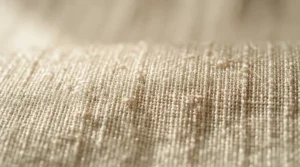
Silk is naturally breathable and absorbent. Retailer descriptions say it wicks perspiration and dries quickly, which suits warm climates. Synthetic moisture-wicking fabrics like Coolmax are engineered to move sweat to the surface, and the Breeze’s description pairs that with Tencel’s moisture management. Cotton, by contrast, is generally heavier and slower to dry, which is why it suits car camping more than trekking.
The takeaway: if weight matters most, choose silk. If humidity is relentless, choose the Sea to Summit Breeze Liner. If you want a compromise, the Sea to Summit Silk Blend Liner sits in between.
Warm-Weather Sleep Gear: Building a Hot-Night System Around Your Liner
A liner works best as part of a system. Think of warm-weather sleep gear as a set of small decisions that add up to a cooler night.
Sleep on top of the bag. One reviewer reported using the Sea to Summit Silk Blend Liner alone and staying comfortable down to roughly 60°F (about 15–16°C), while sleeping on top of their bag. That’s one person’s experience, but it shows the principle.
Add airflow. A fan, open window or screened shutters make more difference than any fabric.
Choose a lightweight mat. An insulated mat can trap heat underneath you. In very warm places, a thin mat or a hammock can be more comfortable.
Hydrate. Heavy night sweating drains you. The NHS guidance on heat exhaustion and heatstroke lists symptoms such as headache, dizziness, nausea and cramps, and advises cooling down and drinking fluids. Heatstroke is a medical emergency.
Pair with a net. Where insects are a risk, a liner doesn’t replace a mosquito net.
Pack a backup. If you’re moving between lowland heat and cool highlands, the Sea to Summit Silk Blend Liner or the Cocoon Silk MummyLiner can add a few degrees at altitude.
Trekking in Tropical Climates: Humidity, Insects and Safety
Trekking in tropical climates throws three challenges at your sleep system: humidity, insects and heat.
Humidity. Nothing dries properly. Silk dries faster than cotton, but the Sea to Summit Breeze Liner is built for this. Carry a dry bag, and air your liner at every opportunity.
Insects. UK government guidance on mosquito bite avoidance for travellers says to cover up, use repellents and use nets. It notes that mosquitoes spreading dengue and similar diseases mainly bite during the day and at dusk, while malaria-carrying mosquitoes mainly bite in the evening and at night. If your accommodation isn’t air-conditioned or you’re sleeping outdoors, it recommends insecticide-treated nets. A thin liner against your skin offers limited protection, so treat it as comfort, not defence.
Pre-trip advice. The same guidance suggests seeing a GP, pharmacist or travel clinic ideally 4–6 weeks before travel.
Heat. Take heat seriously, and see the NHS link above for symptoms to watch.
In short, a liner makes tropical nights cleaner and more comfortable. It does not replace nets, repellent or good health advice.
FAQ
❓ Is a lightweight silk liner for hot climates enough without a sleeping bag?
❓ Which is the best packable silk liner for travel under 150g?
❓ Do moisture-wicking fabrics dry faster than silk in humid weather?
❓ Can you machine wash a silk liner?
❓ Is a silk liner worth it for trekking in tropical climates?
Conclusion
A lightweight silk liner for hot climates is one of the cheapest, lightest upgrades you can make to a trip. It turns a sticky night into a manageable one and keeps your bedding clean, all for the weight of a bar of chocolate.
Here’s the short version. The Western Mountaineering Tioga is the featherweight benchmark for ultralight trekkers. The Cocoon Silk MummyLiner is the safest all-rounder, especially for taller sleepers. The Lifeventure Ultimate Silk Liner is the feature-rich British-brand option for hostel hoppers. The Sea to Summit Premium Silk Travel Liner adds stretch for restless sleepers, subject to checking availability. The Sea to Summit Silk Blend Liner suits trips that swing between hot days and cool nights. The Sea to Summit Breeze Liner is the synthetic answer to relentless humidity. The Browint Silk Sleeping Bag Liner is the budget buy with room to roll, if you accept thinner silk.
Whichever you choose, remember what the research shows. Pick fabric for your climate, size for your body, and features for your trip. Then pair it with airflow, hydration and a net where insects are a risk.
✨ Ready to Sleep Cooler on Your Next Adventure?
🌴 Click any highlighted liner above to check current pricing and availability. Pick the one that matches your trip, pack it, and enjoy a cleaner, cooler night’s sleep wherever you land!
Recommended for You
- Silk Sleeping Bag Liner: 7 Best Picks For UK Travellers (2026)
- Cotton Liner For Hostel Travel: 7 Best Picks For UK Trips (2026)
- Cotton Sleeping Bag Liner: 7 Best Picks Compared (2026)
Disclaimer: This article contains affiliate links. As an Amazon Associate, I earn from qualifying purchases. If you purchase products through these links, we may earn a small commission at no additional cost to you.
✨ Found this helpful? Share it with your friends! 💬🤗
