
In This Article
Picture this: you’ve just invested in a brilliant new tent, spent hours researching the perfect model, and finally taken it on your first Lake District adventure. Three trips later, you notice punctures in the groundsheet from sharp stones, persistent dampness seeping through, and mud that seems determined to become a permanent feature. Sound familiar?
The truth is, even the most expensive tents aren’t invincible. Whether you’re wild camping on Dartmoor’s rugged terrain or setting up at a family campsite in the Cotswolds, your tent’s floor takes an absolute battering. That’s where a proper tent footprint becomes absolutely essential—not just a “nice-to-have” accessory, but genuine protection for your investment.
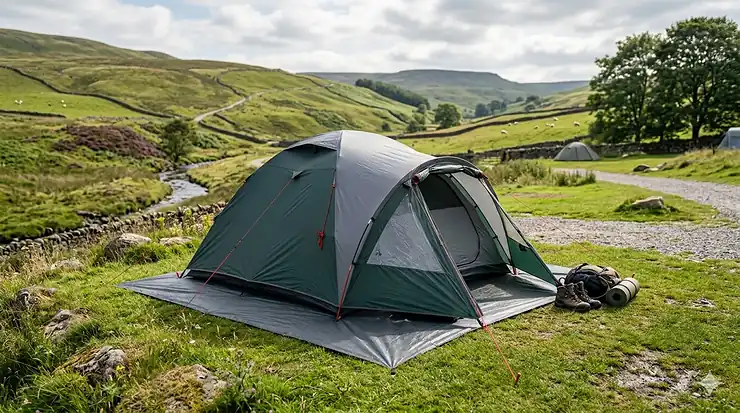
What is best tent footprint? A tent footprint is a waterproof protective groundsheet designed to sit beneath your tent, providing a barrier against moisture, abrasion, and punctures from sharp objects on the ground. It extends your tent’s lifespan significantly whilst adding an extra layer of insulation and keeping the tent floor clean during British camping trips.
After testing dozens of options across various UK campsites and speaking with hundreds of UK campers, I’ve compiled this comprehensive guide to help you choose the perfect footprint for your needs. From ultralight backpacking options to heavy-duty family camping solutions, we’ll cover everything you need to know about protecting your tent in Britain’s notoriously unpredictable conditions.
Quick Comparison Table
| Product | Size Options | Waterproof Rating | Weight | Price (GBP) | Best For |
|---|---|---|---|---|---|
| GEERTOP Ultralight | 1-4 person | PU8000mm | 210g | £15-25 | Backpacking |
| HIKEMAN Hexagonal | 1-4 person | PU2000mm | 350g | £13-19 | Value/Versatility |
| REDCAMP Ultralight | 1-2 person | PU2000mm | 258g | £12-18 | Budget Choice |
| OneTigris Waterproof | 2 person | 1500mm | 310g | £16-22 | Bushcraft/Hiking |
| Clostnature Premium | 1-3 person | PU3000mm | 180g | £16-24 | Ultra-lightweight |
| Vango Groundsheet Protector | Various models | PU3000mm | 400-800g | £19-50 | Brand-specific fit |
| Bessport Multi-Purpose | 1-4 person | PU3000mm | 350g | £9-15 | Family Camping |
💬 Just one click – help others make better buying decisions too! 😊
Top 7 Tent Footprints: Expert Analysis
1. GEERTOP Ultralight Waterproof Tent Footprint – Best for Backpacking
When you’re counting every gram for a multi-day hike along the Pennine Way, the GEERTOP Ultralight truly shines. This ultralight footprint weighs just 210 grams yet boasts an impressive PU8000mm waterproof rating—that’s seriously waterproof, even by British standards.
Key Specifications:
- Material: 20D double-sided silicone nylon
- Dimensions: 145cm x 210cm (various sizes available)
- Packed size: Incredibly compact (fits in palm of hand)
UK buyers consistently praise its performance in wet conditions. “Pitched it under my tent on Snowdonia and woke to find everything bone dry despite torrential rain overnight,” notes Sarah from Cardiff. The double-sided silicone coating creates a waterproof barrier that genuinely works, whilst the ripstop fabric resists tears from sharp rocks.
Pros:
✅ Exceptionally lightweight for backpacking
✅ Ultra-compact packed size
✅ Outstanding waterproof rating for British weather
Cons:
❌ Premium price point
❌ Requires careful handling due to thin material
Price Range: £15-£25 depending on size UK Availability: Amazon.co.uk with free delivery
2. HIKEMAN Hexagonal Tent Footprint – Best Value for Money
The HIKEMAN Hexagonal represents exceptional value for UK campers who want quality without breaking the bank. Available in multiple sizes from 1-4 person configurations, this versatile groundsheet features a unique hexagonal design that provides better coverage for tapered tents.
Key Specifications:
- Material: 210D Oxford ripstop polyester
- Waterproof rating: PU2000mm
- Weight: 350g (medium size)
What sets this apart is the reinforced corner stitching and rust-proof grommets—details that matter when you’re camping regularly in Britain’s damp conditions. “Used it for both wild camping and festival trips. Keeps my tent spotless and packs down brilliantly,” shares James from Manchester.
Pros:
✅ Excellent value for money
✅ Hexagonal shape suits more tent styles
✅ Durable construction withstands rough terrain
Cons:
❌ Slightly heavier than ultralight options
❌ Limited colour choices
Price Range: £13-£19 UK Delivery: Free next-day delivery on Amazon.co.uk
3. REDCAMP Ultralight Tent Footprint – Best Budget Option
Don’t let the budget-friendly price fool you—the REDCAMP Ultralight punches well above its weight. This footprint has become a favourite among Duke of Edinburgh Award participants and budget-conscious campers across the UK.
Key Specifications:
- Dimensions: 140cm x 220cm (1-2 person)
- Material: 210T ripstop polyester
- Waterproof: PU2000mm coating
The drawstring carrying bag makes storage effortless, whilst the lightweight design (just 258g) won’t bog down your rucksack. British buyers particularly appreciate how it handles our unpredictable weather. “Brilliant groundsheet for the price. Used it under my Vango tent all summer—not a single leak,” reports Emily from Edinburgh.
Pros:
✅ Outstanding value—fraction of branded alternatives
✅ Lightweight enough for long-distance hiking
✅ Genuinely waterproof in UK conditions
Cons:
❌ Basic design without fancy features
❌ May require trimming for perfect tent fit
Price Range: £12-£18 Availability: Amazon.co.uk, usually dispatched within 24 hours
4. OneTigris Waterproof Tent Footprint – Best for Bushcraft
Designed specifically for the OneTigris Backwoods Bungalow and similar tents, this OneTigris footprint has earned a cult following among British bushcraft enthusiasts. The 75D ripstop nylon construction strikes a perfect balance between durability and packability.
Key Specifications:
- Size: 205cm x 165cm
- Weight: Just 310g
- Waterproof rating: 1500mm with ripstop fabric
The reinforced stitching on stress points and grade-A bungee tie-out loops demonstrate proper attention to durability. “Perfect companion for my OneTigris tent. Kept everything dry during a soggy Dartmoor trip,” notes wilderness instructor Tom from Devon.
Pros:
✅ Purpose-built for OneTigris tents
✅ Robust ripstop construction
✅ Compact stuff sack included
Cons:
❌ Sized specifically for certain tent models
❌ Slightly heavier than competition
Price Range: £16-£22 UK Delivery: Amazon.co.uk with prime delivery
5. Clostnature Premium Tent Footprint – Best Ultra-Lightweight
At just 180 grams, the Clostnature Premium is the lightest footprint in this roundup—ideal for gram-counting backpackers tackling Britain’s long-distance trails. Despite its featherweight design, it doesn’t compromise on protection.
Key Specifications:
- Dimensions: 220cm x 80cm
- Material: 190T polyester with waterproof coating
- Packed size: Mobile phone-sized
The real genius lies in how easily it folds into its drawstring pocket—you can literally stash it anywhere in your pack. UK trekkers love how it disappears when packed yet performs brilliantly when deployed. “Used it on the West Highland Way. Barely noticed I was carrying it,” shares adventure blogger Katie from Glasgow.
Pros:
✅ Lightest option for ultralight camping
✅ Incredibly compact when packed
✅ Excellent waterproof coating
Cons:
❌ Narrower width suits specific tent styles
❌ Requires gentle handling
Price Range: £16-£24 Sourcing: Amazon.co.uk
6. Vango Groundsheet Protector – Best Brand-Specific Fit
For Vango tent owners, these purpose-designed Vango footprints offer a tailored fit that generic options simply can’t match. As one of Britain’s most trusted outdoor brands (established in Glasgow in 1966), Vango understands UK camping conditions intimately.
Key Specifications:
- Available for specific Vango tent models
- Material: Heavy-duty polyester
- PU3000mm waterproof rating
The precision fit means no awkward overlap or gaps—it sits perfectly beneath your Vango tent’s footprint. “Bought for my Vango Nevis. Fits like a glove and genuinely extends the tent’s life,” confirms regular camper David from Yorkshire.
Pros:
✅ Perfect fit for Vango tent owners
✅ Quality construction from trusted UK brand
✅ Excellent waterproofing for British weather
Cons:
❌ Only compatible with specific Vango models
❌ Higher price point than universal options
Price Range: £19-£50 depending on tent model Where to Buy: Camping specialists and Amazon.co.uk
7. Bessport Multi-Purpose Footprint – Best for Families
The Bessport footprint series offers multiple size options perfect for family camping trips. Available in configurations up to 270cm x 240cm, it provides ample coverage for larger family tents commonly used at UK campsites.
Key Specifications:
- Sizes: Four options from 1-4 person
- Material: 210D Oxford fabric with PU coating
- Waterproof: PU3000mm rating
The multiple grommet eyelets make setup straightforward, whilst the durable fabric withstands the wear and tear of family camping—muddy wellies, excited kids, and all. “Fantastic for our family tent. Keeps the groundsheet pristine and washes easily,” notes parent and regular camper Lisa from Berkshire.
Pros:
✅ Large size options for family tents
✅ Very affordable for the coverage area
✅ Easy to clean and maintain
Cons:
❌ Heavier than backpacking options
❌ Bulkier when packed
Price Range: £9-£15 UK Stockists: Amazon.co.uk with quick dispatch
✨ Don’t Miss These Exclusive Deals!
🔍 Take your camping adventures to the next level with these carefully selected products. Click on any highlighted item to check current pricing and availability on Amazon.co.uk. These groundsheets will help you create authentic camping experiences your family will love!
Understanding Tent Footprint Materials: What Works Best in British Conditions
When you’re shopping for tent footprints in the UK, you’ll encounter various materials and ratings that might seem confusing at first glance. Let’s break down what actually matters for British camping conditions.
Fabric Types Explained
Polyester vs Nylon: Most footprints use either polyester or nylon as the base fabric. Nylon offers excellent strength-to-weight ratios (brilliant for backpacking), whilst polyester provides better UV resistance—useful during those rare extended sunny spells in Britain. For UK conditions where damp is more common than sun, either works well, though nylon tends to pack slightly smaller.
Denier Ratings: The “D” number (like 210D) indicates fabric thickness. Higher numbers mean thicker, more durable material. For rough terrain like Scotland’s wild camping areas, aim for 200D+. For gentler campsite use, 150D suffices.
Waterproof Ratings Demystified
According to UK camping experts, you’ll see ratings like PU2000mm or PU3000mm. Here’s what they mean for British weather:
- PU1500mm: Basic protection, fine for dry conditions
- PU2000-3000mm: Standard for UK camping, handles most wet weather
- PU5000mm+: Exceptional waterproofing for extended wet-weather camping
Realistically, anything above PU2000mm will keep you dry in typical British camping conditions. The difference becomes noticeable during prolonged downpours or when camping on perpetually damp ground.
Ripstop Technology
The “ripstop” weave pattern you’ll see mentioned prevents small tears from spreading. In practical terms, this means if a sharp twig punctures your footprint, the damage stays localised rather than creating a spreading tear. For wild camping on Britain’s rougher terrain, ripstop fabric is worth the slight premium.
Tent Footprint vs Tarp: Making the Right Choice
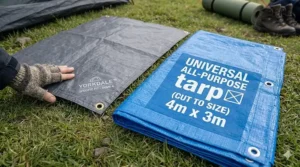
This question crops up constantly in UK camping forums: should you buy a proper tent footprint or just use a cheap tarp? I’ve tried both extensively across various British campsites, and here’s my honest assessment.
When a Dedicated Footprint Wins
Precision fit: Purpose-made footprints (especially brand-specific like Vango) sit perfectly beneath your tent without any excess material peeking out. This matters more than you’d think—any overhang creates a channel for rainwater to pool between your groundsheet and footprint.
Tailored protection: Footprints account for your tent’s specific shape, including vestibules and porches. A generic tarp requires trimming and fiddling to achieve the same coverage.
Weight and packability: Quality footprints use lighter materials and pack smaller than equivalent-sized tarps. For backpacking the Pennine Way or Scottish Highlands, every gram counts.
When a Tarp Makes Sense
Multi-purpose use: A tarp can double as emergency shelter, gear cover, or cooking area protection—versatility that a footprint can’t match.
Cost savings: Budget tarps cost less than branded footprints, though quality varies enormously.
Oversized protection: For group camping or covering multiple tents, large tarps provide more flexibility.
The Verdict for UK Campers
For dedicated camping trips, proper footprints offer better value long-term. They’re engineered specifically for tent protection, with appropriate materials and dimensions. However, I keep both in my gear arsenal—footprints for serious camping, tarps for car camping where weight isn’t critical.
How to Choose the Perfect Tent Footprint Size
Getting the sizing right prevents common frustrations UK campers face. Follow these practical steps:
Step 1: Measure your tent’s floor dimensions precisely. Don’t guess—actually lay your tent flat and measure length and width at the widest points.
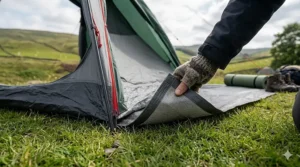
Step 2: Select a footprint 10-15cm smaller than your tent floor on all sides. This prevents water pooling between layers during British downpours.
Step 3: Consider your tent shape. Tapered tents (common in backpacking models) work better with hexagonal or tapered footprints rather than rectangular ones.
Step 4: Account for vestibules if you want protection there too. Some campers use separate smaller pieces for porch areas.
Step 5: Check reviews from UK buyers using similar tent models—they’ll mention fit issues before you encounter them.
Sizing Comparison: Finding Your Perfect Match
| Tent Capacity | Typical Footprint Size | Weight Range | Best For |
|---|---|---|---|
| Solo (1P) | 80cm x 200cm | 150-250g | Backpacking, wild camping |
| 2 Person | 140cm x 210cm | 250-400g | Weekend trips, couples |
| 3 Person | 180cm x 220cm | 400-600g | Small families, groups |
| 4-6 Person | 240cm x 280cm | 600-900g | Family camping, festivals |
Installation Tips for British Weather Conditions
Setting up your footprint properly makes a significant difference to its effectiveness. Here’s what works in UK conditions:
The Pre-Pitch Ritual
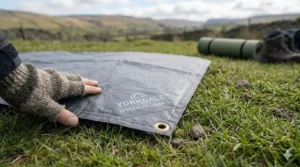
Before laying your footprint, clear the ground thoroughly. Those seemingly harmless twigs become tent-floor assassins when compressed by body weight. I spend five minutes doing this every time—it’s saved countless punctures.
Securing in Wind
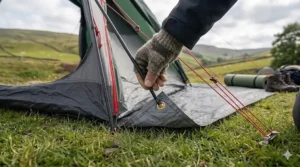
British campsites can be properly blustery. Use tent pegs through the corner grommets before pitching your tent over the top. This prevents the footprint shifting during setup—frustrating when you’re wrestling with tent poles in a Force 7 gale.
The Tuck Method
Any footprint edges visible beyond your tent create water channels. Tuck excess material underneath slightly, or invest in a footprint sized specifically for your tent model.
Seasonal Adjustments
During British winter camping, I sometimes add a foam mat between footprint and tent for extra insulation. In summer, just the footprint suffices. The modularity helps across our varied seasons.
Caring for Your Footprint: Maintenance Essentials
Proper maintenance extends your footprint’s lifespan significantly. British conditions—damp, muddy, occasionally sunny—require specific care approaches.
Post-Trip Cleaning
Never pack a wet, muddy footprint away permanently. After each trip, once home, lay it flat and hose off dirt. For stubborn mud (inevitable after Lake District camping), use a soft brush with mild soap. Harsh detergents damage waterproof coatings.
Drying Properly
British weather rarely cooperates with outdoor drying. Hang indoors in a well-ventilated space, avoiding direct radiator contact which can damage waterproof treatments. Most footprints dry within 24 hours.
Storage Wisdom
Store loosely folded or rolled rather than crushed tight. The constant compression-decompression cycle from stuffing damages fabric over time. I keep mine in a breathable cotton bag rather than its original stuff sack between trips.
Repair Kit Basics
Carry repair tape specifically designed for tent fabrics. A small puncture doesn’t mean replacement—a simple patch extends life considerably. Most outdoor shops stock appropriate repair kits.
Footprint Benefits for Different UK Camping Styles
The value proposition varies depending on your camping approach:
Wild Camping Adventurers
For those embracing Scotland’s access rights or permitted Dartmoor backpack camping, footprints are absolutely essential. Wild camping spots rarely offer smooth ground. The protection and insulation benefits multiply when you’re miles from civilisation with a punctured groundsheet.
Festival-Goers
At festivals like Glastonbury, your tent’s floor faces unique challenges—thousands of trampling feet, spilled drinks, and dubious ground conditions. A cheap footprint here saves your expensive tent from becoming a muddy disaster. Consider it disposable—if it’s trashed, your tent survived intact.
Family Campers
With children, keeping the tent interior clean becomes a constant battle. A footprint creates a definite “shoes off” boundary, significantly reducing dirt tracking. The few pounds spent saves hours of tent-floor scrubbing.
Car Campers
Even when weight isn’t critical, footprints offer convenience. That muddy groundsheet after a wet weekend? It’s the footprint, not your tent, that needs intensive cleaning. This alone justifies the investment.
Beyond Protection: Hidden Footprint Benefits
Most campers buy footprints for tent protection, but they offer surprising additional advantages:
Thermal Insulation
That extra layer between you and cold British ground provides meaningful insulation. During autumn camping in the Brecon Beacons, I noticed a genuine temperature difference compared to camping without. Not dramatic, but appreciable when combined with a quality sleeping mat.
Pitch Guide
The defined footprint shape makes pitching easier and faster. Lay it out, and you immediately see where your tent sits, where guy ropes will run, and whether you’ve chosen a suitably flat spot. This proves invaluable during evening arrivals or foul weather.
Multi-Purpose Use
Quality footprints double as picnic blankets, gear organisers, or emergency shelters. During day hikes from base camp, we often grab the footprint as a clean sitting spot for lunch stops.
Resale Value
Tents with accompanying footprints command higher resale prices. That £20 footprint investment can return itself when you eventually upgrade your tent.
Common Mistakes UK Campers Make
Having observed countless camping setups across British sites, certain footprint errors appear repeatedly:
Oversized Selection: That “larger is better” instinct backfires with footprints. Excess material creates water pools, defeating the purpose entirely.
Neglecting Ground Prep: Laying a footprint over sharp stones provides minimal protection. Five minutes clearing ground saves potential disaster.
Wrong Material Choice: Using lightweight backpacking footprints for rough festival ground, or heavy-duty versions for ultralight hiking. Match footprint weight to usage.
Skipping Footprints Entirely: The “I’ll be careful” approach inevitably fails. Tent floor damage accumulates gradually until suddenly you’re dealing with leaks.
Poor Storage: Packing away wet footprints breeds mildew. Always dry thoroughly before long-term storage, regardless how inconvenient this feels after a tiring camping trip.
Price vs Value: Investment Considerations
Let’s talk money. Quality tent footprints in the UK range from £10-£50, and understanding value helps decision-making.
| Price Range | What You Get | Best For |
|---|---|---|
| £10-£15 | Basic protection, standard materials, generic fit | Budget camping, occasional use, festivals |
| £15-£25 | Quality materials, good waterproofing, multiple sizes | Regular camping, backpacking, all-round use |
| £25-£50 | Brand-specific fit, premium materials, lifetime warranty | Serious campers, brand loyalists, harsh conditions |
The Cost-Per-Use Calculation
A £30 footprint used 20 times (realistic for keen UK campers) costs £1.50 per trip. Compare this to one £150 tent floor replacement, and the mathematics becomes compelling. I’ve used the same GEERTOP footprint for three years—that’s roughly 40p per camping trip in protection costs.
When Budget Trumps Premium
For occasional camping or when trying outdoor pursuits, budget options like REDCAMP or Bessport offer excellent value. They’ll protect adequately whilst you determine whether camping becomes a regular pursuit. Graduate to premium options when you’re committed to frequent camping adventures.
Environmental Considerations: Sustainable Camping
British campers increasingly prioritise environmental responsibility, and footprint choices reflect this:
Material Sustainability
Traditional footprints use petroleum-based fabrics. Some manufacturers now offer recycled polyester options—Vango’s Earth Collection pioneered this in the UK market. Whilst slightly pricier, these reduce environmental impact without compromising performance.
Longevity Over Disposability
The most sustainable footprint is one lasting multiple seasons. Cheap, quickly-failing options create waste. Investing slightly more in durability ultimately proves more environmentally sound.
Repair Rather Than Replace
Modern footprints accept repairs readily. Small punctures, small tears—all fixable with appropriate repair kits. This extend-don’t-replace mentality aligns with broader outdoor ethics.
Responsible Disposal
When footprints finally fail irreparably, check if manufacturers offer recycling programmes. Some outdoor retailers collect old gear for recycling rather than landfill disposal.
FAQ: Your Tent Footprint Questions Answered
❓ Can I use a tarpaulin instead of a tent footprint?
❓ Do tent footprints really extend tent life?
❓ Should footprints be larger or smaller than the tent?
❓ How do I clean a muddy tent footprint after camping?
❓ Are expensive branded footprints worth it for UK camping?
Conclusion: Protecting Your Tent Investment
After years of camping across Britain’s diverse landscapes—from Scottish Highlands to Cornish coasts—I’m convinced quality footprints represent one of camping’s best value investments. Whether you’re spending £12 on a REDCAMP budget option or £50 on a brand-specific Vango protector, you’re preventing far costlier tent repairs down the line.
The key is matching footprint characteristics to your specific camping style. Backpackers prioritise lightweight designs like the Clostnature Premium or GEERTOP Ultralight. Family campers benefit from larger, more durable options like the Bessport Multi-Purpose. Wild camping enthusiasts need robust protection such as the OneTigris Waterproof series.
Remember: the best tent footprint is the one that keeps your tent floor intact, camping experience enjoyable, and gear investment protected across countless British adventures. Choose wisely, maintain properly, and your footprint will serve you brilliantly for years of outdoor experiences.
Happy camping, and may your groundsheets stay forever puncture-free! 🏕️
Recommended for You
- 7 Ways Tent Condensation How to Stop UK 2026 Guide
- 7 Best Tent Pegs for UK Camping 2026
- 7 Best Ways How to Waterproof Tent 2026
Disclaimer: This article contains affiliate links. If you purchase products through these links, we may earn a small commission at no additional cost to you. Prices shown are approximate and may vary.
✨ Found this helpful? Share it with your mates! 💬🤗
