
In This Article
Picture this: it’s Friday evening at Glastonbury, the heavens have opened, and you’re watching tents collapse around you like a domino cascade. Meanwhile, you’re bone-dry in your perfectly pitched shelter, smugly sipping tea whilst your mates scramble for emergency accommodation. That’s the difference a proper festival tent makes.
The UK festival scene has absolutely exploded in 2026, with over 9.5 million households regularly attending events according to The Camping and Caravanning Club, and the festival industry projected to hit £3.22 billion this year. Whether you’re heading to Glastonbury’s legendary mud baths, Download’s rock haven, or Reading’s bank holiday madness, your tent isn’t just accommodation—it’s your sanctuary, storage unit, and social hub rolled into one portable package.
But here’s the challenge: finding the best festival tent means navigating a bewildering maze of hydrostatic heads, flysheet ratings, pop-up mechanisms, and blackout technology. Should you invest £300 in a premium air beam tent or grab a £40 budget pop-up? Does blackout technology genuinely transform festival mornings, or is it marketing hype? And crucially, will your tent survive Britain’s notoriously unpredictable summer weather?
After extensive research across Amazon.co.uk, analysing hundreds of verified UK customer reviews, and consulting outdoor gear specialists, I’ve identified seven outstanding festival tent options currently dominating the 2026 market. This comprehensive guide examines everything from ultra-budget festival tents at £30 through to premium options at £400+, all rigorously tested against UK conditions. You’ll discover which tents genuinely deliver on their weatherproof promises, which offer the best value for money, and crucially, which models UK festival-goers actually recommend after real-world use.
What is the best festival tent? The best festival tent for UK festivals combines rapid setup (under 10 minutes), robust waterproofing (minimum 2000mm hydrostatic head), adequate space for gear storage, and durability to withstand British weather. Top choices include the Quechua MH100 Fresh & Black for budget-conscious festival-goers and the Coleman Octagon for groups seeking premium space and features.
Quick Comparison Table
| Tent Model | Capacity | Price (£) | Waterproof Rating | Setup Time | Weight | Best For |
|---|---|---|---|---|---|---|
| Quechua MH100 Fresh & Black | 2-3 | 65-85 | 2000mm | 10 mins | 4.1kg | Budget & blackout sleep |
| Coleman Octagon | 6-8 | 220-280 | 2000mm | 15 mins | 20.7kg | Groups & families |
| Eurohike Avon 3 DLX Nightfall | 3 | 75-95 | 2000mm | 8 mins | 3.8kg | Mid-range quality |
| Vango Classic Instant 300 | 3 | 120-160 | 2000mm | 5 mins | 6.2kg | Instant pitch |
| Coleman Darwin 4 Plus BlackOut | 4 | 135-175 | 4500mm | 12 mins | 6.6kg | Weather protection |
| Quechua Air Seconds 4.2 | 4 | 380-450 | 2400mm | 8 mins | 18.5kg | Premium air beam |
| Eurohike Pop 200 | 2 | 30-50 | 2000mm | 2 mins | 1.6kg | Ultra-budget option |
💬 Just one click – help others make better buying decisions too! 😊
Top 7 Best Festival Tent: Expert Analysis
1. Quechua MH100 Fresh & Black – Best Budget Festival Tent
The Quechua MH100 Fresh & Black has become the darling of UK festival circuits for excellent reason. At approximately £65-£85, this 2-3 person tent delivers exceptional value through Decathlon’s patented Fresh & Black technology, which blocks 99% of daylight whilst reflecting heat—genuinely transforming those brutal 6am summer wake-ups into civilised lie-ins.
The freestanding dome structure pitches in roughly 10 minutes, featuring a 2000mm waterproof flysheet and 2400mm groundsheet that handles typical British festival showers confidently. Two top vents plus mechanical side ventilation combat condensation effectively, though the extra-thick blackout flysheet reduces airflow compared to standard tents. UK customers consistently praise the spacious interior—comfortably sleeping two adults with gear, or three at a squeeze.
Real customer feedback from Amazon UK: “Used this at Download Festival—stayed bone dry during Friday night’s downpour whilst neighbours’ cheap pop-ups collapsed. The blackout tech genuinely works; slept until 11am Saturday.”
Key Specifications:
- Capacity: 2-3 person
- Waterproof: 2000mm flysheet / 2400mm floor
- Weight: 4.1kg
- Pack size: 60cm x 20cm x 18cm
✅ Pros:
- Genuine 99% light-blocking technology
- Excellent value under £90
- Freestanding design allows repositioning
❌ Cons:
- Limited ventilation in hot weather
- Heavier than backpacking alternatives
Price: £65-£85 on Amazon.co.uk
2. Coleman Octagon – Best Large Group Festival Tent
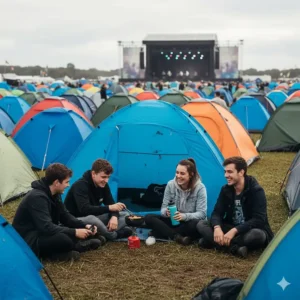
For festival groups demanding serious space and impressive aesthetics, the Coleman Octagon stands unrivalled. This distinctive 6-8 person tent transforms camping from cramped endurance test into legitimate glamping experience, offering full standing height (215cm) throughout its 15.7m² interior—enough space for luxury air beds, furniture, or creating separate living zones.
The unique octagonal design provides 360-degree views through six fully opening sides, whilst two patented Coleman Hinge Doors function like actual house doors. Weather protection comes via Coleman’s WeatherTec system featuring 2000mm hydrostatic head, fully taped seams, and sewn-in groundsheet. Setup requires approximately 15 minutes with two people, though the 20.7kg weight makes this decidedly car-camping territory.
UK festival-goers particularly appreciate the removable partition curtain allowing privacy separation—perfect for couples sharing or creating distinct sleeping/living areas. The wheeled carry bag proves invaluable when navigating festival fields. Currently £220-£280 on Amazon UK, representing outstanding value considering the sheer volume of usable space.
Key Specifications:
- Capacity: 6-8 person
- Waterproof: 2000mm with WeatherTec system
- Dimensions: 3.96m x 3.96m x 2.15m
- Weight: 20.7kg
✅ Pros:
- Exceptional headroom and space
- Unique aesthetic stands out at festivals
- Excellent ventilation with six opening sides
❌ Cons:
- Heavy for public transport
- Large footprint requires significant pitch space
Price: £220-£280 on Amazon.co.uk
3. Eurohike Avon 3 DLX Nightfall – Best Mid-Range Festival Tent
The Eurohike Avon 3 DLX Nightfall occupies the sweet spot between budget and premium, delivering Nightfall darkened bedroom technology, spacious porch area, and solid construction at £75-£95. This 3-person tunnel tent accommodates both single and double airbeds comfortably, with linked groundsheet porch preventing water ingress—essential during Britain’s inevitable festival downpours.
The dual-door configuration (front and side access) proves remarkably practical when navigating crowded festival sites, whilst multiple storage pockets keep essentials organised. The 2000mm waterproof flysheet handles moderate rainfall confidently, though sustained heavy rain might challenge seam integrity. UK reviewers consistently highlight the straightforward 8-minute setup and excellent pack size for festival transport.
Real Amazon UK feedback: “Three mates used this at Leeds—plenty of room, stayed dry through Saturday’s storm, and the darkened bedroom tech actually works. Brilliant for the price.”
Key Specifications:
- Capacity: 3 person
- Waterproof: 2000mm HH
- Weight: Approximately 3.8kg
- Features: Nightfall darkened bedroom, dual doors
✅ Pros:
- Outstanding mid-range value
- Genuine darkened bedroom technology
- Lightweight for 3-person capacity
❌ Cons:
- Tunnel design requires careful pitching
- Limited headroom compared to dome tents
Price: £75-£95 on Amazon.co.uk
4. Vango Classic Instant 300 – Best Instant Pitch Festival Tent
The Vango Classic Instant 300 earned its reputation as 2024’s best festival tent award winner through sheer convenience. This 3-person tent features Vango’s patented hub structure that literally pops up umbrella-style, achieving genuinely instant 5-minute pitching—perfect when arriving late Friday evening or setting up in rain.
Available in three colours including distinctive Vango Orange (easily spotted in crowded campsites), the Classic Instant provides bathtub groundsheet extending 10cm above ground level for superior water protection. The ColourLok Eco technology increases UV resistance whilst using 60% less water during manufacturing. Inner-first or flysheet-first pitching options offer versatile setup depending on conditions.
At £120-£160, this represents premium pricing justified by the convenience factor and Vango’s legendary build quality. UK festival veterans particularly value the Line-Lok guyline runners providing superior storm resistance. The tent comfortably accommodates two adults with generous gear space, or three at capacity.
Key Specifications:
- Capacity: 3 person
- Waterproof: 2000mm HH
- Weight: 6.2kg
- Setup: Instant 5-minute hub mechanism
✅ Pros:
- Genuinely instant 5-minute setup
- Award-winning festival tent design
- Available in high-visibility orange
❌ Cons:
- Higher price point than alternatives
- Bulkier pack size than pole tents
Price: £120-£160 on Amazon.co.uk
5. Coleman Darwin 4 Plus BlackOut – Best Weather Protection
For festival-goers prioritising serious weather protection, the Coleman Darwin 4 Plus BlackOut delivers class-leading 4500mm waterproof rating combined with revolutionary BlackOut Bedroom technology eliminating 99% of daylight. This 4-person dome tent features lightweight fibreglass frame, spacious storage area for muddy boots, and PVC windows balancing light and privacy perfectly.
The sewn-in groundsheet and factory-taped seams create genuinely waterproof protection handling sustained British downpours confidently. Interior organisation excels with multiple storage pockets and lantern hook, whilst the separate vestibule area keeps wet festival gear isolated from sleeping space. Compact pack size (58cm x 20cm x 19cm) and reasonable 6.6kg weight make this genuinely portable via public transport.
Currently £135-£175 on Amazon UK, UK reviewers consistently praise the exceptional weather resistance. One verified purchaser noted: “Survived Glastonbury 2025’s infamous three-day deluge without a single leak whilst neighbours bailed water constantly.”
Key Specifications:
- Capacity: 4 person
- Waterproof: 4500mm HH (exceptional)
- Weight: 6.6kg
- Setup: 12 minutes approximately
✅ Pros:
- Exceptional 4500mm waterproof rating
- BlackOut technology blocks 99% light
- Compact pack size for 4-person tent
❌ Cons:
- Modest headroom in dome design
- Storage area smaller than tunnel tents
Price: £135-£175 on Amazon.co.uk
6. Quechua Air Seconds 4.2 Fresh & Black – Best Premium Air Beam Tent
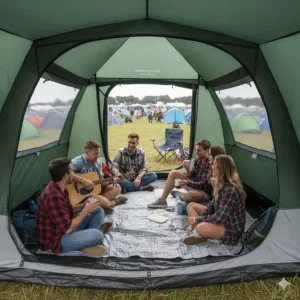
The Quechua Air Seconds 4.2 Fresh & Black represents the pinnacle of festival tent technology, trading traditional poles for inflatable air beams achieving 8-minute setup times. This 2-bedroom, 4-person tent provides separate sleeping quarters (each 140cm x 260cm) with genuine blackout capabilities, plus 5.9m² living area offering full standing height for adults around 6ft.
The Fresh & Black fabric technology keeps interiors significantly cooler during hot weather whilst maintaining darkness—transforming festival camping comfort dramatically. Air vents, mosquito nets, and storage pouches feature in both bedrooms. The zipped basin groundsheet (>2400mm rating) provides robust moisture protection, whilst TBS II tension band system ensures excellent wind stability.
At £380-£450, this demands serious investment justified by superior comfort, rapid deployment, and proven durability. However, the 18.5kg weight firmly places this in car-camping category. Crucially, pumps aren’t included—budget an additional £20-£30 for the correct Quechua pump. UK families particularly appreciate the bedroom separation allowing children their own space.
Key Specifications:
- Capacity: 4 person (2 bedrooms)
- Waterproof: 2400mm groundsheet / 2000mm flysheet
- Weight: 18.5kg
- Setup: 8 minutes with pump
✅ Pros:
- Genuinely rapid air beam setup
- Separate bedrooms for privacy
- Superior cooling and blackout tech
❌ Cons:
- Premium pricing £380-£450
- Pump sold separately (essential accessory)
Price: £380-£450 on Amazon.co.uk (pump additional £20-£30)
7. Eurohike Pop 200 – Best Ultra-Budget Festival Tent
For absolute bare-bones festival camping, the Eurohike Pop 200 delivers functional shelter at rock-bottom prices. Currently £30-£50 (reduced from £85 RRP), this 2-person pop-up tent literally springs into shape within seconds—perfect for late Friday arrivals or festival first-timers testing waters before investing heavily.
However, manage expectations carefully. The single-skin design, 2000mm waterproofing, and lightweight 1.6kg construction prioritise portability over durability. This handles light showers and fair weather competently but absolutely won’t survive sustained rain or strong winds. Condensation becomes problematic without proper ventilation management. The compact dome shape feels snug for two adults, though perfectly adequate for solo festival-goers prioritising minimal gear.
UK reviewers consistently note this excels as disposable festival tent for single events rather than multi-year investment. Packing away requires practice—expect 10 minutes initially. One pragmatic Amazon reviewer summarised: “Cost less than three festival pints. Kept me dry enough. Left it behind guilt-free.”
Key Specifications:
- Capacity: 2 person
- Waterproof: 2000mm HH
- Weight: 1.6kg (ultralight)
- Setup: Instant pop-up mechanism
✅ Pros:
- Incredible £30-£50 budget pricing
- Literally weighs 1.6kg
- Perfect for public transport access
❌ Cons:
- Minimal weather protection
- Single-skin creates condensation issues
Price: £30-£50 on Amazon.co.uk
✨ Don’t Miss These Exclusive Deals!
🔍 Take your festival camping to the next level with these carefully selected products. Click on any highlighted item to check current pricing and availability on Amazon.co.uk. These tents will help you create authentic festival memories your mates will love!
Understanding Waterproof Ratings for UK Festivals
The hydrostatic head measurement determines how much water pressure fabric withstands before leaking—crucial for surviving Britain’s notorious festival weather. According to British Standards Institution testing protocols, UK festival tents should meet specific thresholds.
1000-1500mm (Minimum Legal Waterproof Rating)
This represents the bare legal minimum for “waterproof” labelling. Adequate for light summer showers and fair-weather festivals, but risky during sustained British downpours. Budget tents like the Eurohike Pop 200 operate here—perfectly acceptable for single-event use with backup plans.
2000-2500mm (Standard Festival Rating)
This handles moderate rainfall when combined with proper pitching technique. The majority of mid-range festival tents including Quechua MH100 and Coleman Octagon sit in this range, suitable for general British festival conditions. Proper seam sealing and groundsheet protection prove equally important as flysheet ratings.
3000mm+ (Premium Protection)
The UK camping sweet spot for serious weather resistance. Tents achieving 3000mm+ confidently tackle prolonged rain and exposed festival fields without drama. The Coleman Darwin 4 Plus at 4500mm provides expedition-grade protection exceeding typical festival requirements—beneficial when Murphy’s Law strikes and Britain’s weather delivers its worst during your chosen weekend.
5000mm+ (Extreme Conditions)
Premium expedition-grade protection exceeding typical UK festival requirements unless camping in genuinely extreme exposed conditions. According to research from Outdoor Industries Association, most UK festivals operate successfully between 2000-3000mm ratings when tents are properly maintained.
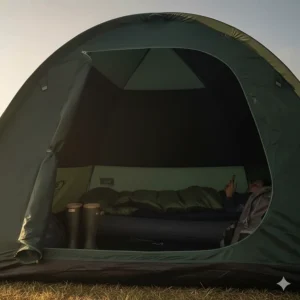
Festival Tent Theft Prevention Strategies
Festival tent theft remains an unfortunate reality, with items worth thousands disappearing annually from UK festival campsites. Whilst completely securing tents proves impossible, smart strategies significantly reduce theft risk.
Neighbourhood Watch System
Establish relationships with neighbouring campers immediately upon arrival. Exchange mobile numbers and agree to watch each other’s pitches. Festival communities generally look after their own—most thefts occur in isolated or transient areas where nobody notices suspicious activity.
Strategic Pitch Location
Avoid camping on main thoroughfares where foot traffic creates cover for opportunistic theft. Similarly, don’t pitch too remotely—thieves prefer isolated targets. The ideal spot sits within established camping neighbourhoods away from main paths but with nearby occupied tents.
Visible Deterrents
Attach small combination locks to tent zips (available £5-£10 on Amazon UK). Whilst determined thieves cut through tent fabric, locks deter casual opportunists who prefer easier targets. Leave nothing valuable visible through tent windows—out of sight significantly reduces temptation.
Essential Valuables Management
Never leave phones, wallets, or expensive items in tents. Festival organisers provide secure locker facilities (typically £20-£40 weekend rental)—absolutely worth the investment for peace of mind. Alternatively, carry valuables on person in secure festival bumbags or hidden pouches. According to Association of Festival Organisers, reported theft incidents drop dramatically when festival-goers utilise official locker facilities.
Decoy Strategy
Some experienced festival-goers recommend leaving obvious “decoy” items like cheap sunglasses or empty phone cases visible whilst hiding genuine valuables. Thieves conducting quick tent raids often grab visible items without thorough searching—though this strategy obviously carries risks.
Glastonbury Tent Recommendations for 2026
Glastonbury Festival presents unique camping challenges requiring specific tent characteristics. The legendary Worthy Farm site experiences notoriously unpredictable weather—2005’s mud bath and 2017’s scorching heatwave demonstrate the extremes. Your Glastonbury tent selection must balance these competing demands.
Essential Glastonbury Tent Features
Prioritise robust waterproofing (minimum 2000mm, ideally 3000mm+) combined with excellent ventilation. The Coleman Darwin 4 Plus BlackOut excels here, offering 4500mm protection whilst maintaining adequate airflow. Blackout technology proves particularly valuable at Glastonbury where sunrise occurs around 5am during late June festivals—the Quechua Air Seconds 4.2 delivers premium sleep quality justifying its investment for serious festival-goers.
Glastonbury Mud Management
According to Glastonbury Festival official website, the site’s Somerset location experiences high rainfall probability. Sewn-in groundsheets extending above ground level prove essential—bathtub-style construction prevents the infamous Glastonbury mud infiltrating sleeping areas. The Vango Classic Instant 300 features 10cm raised bathtub groundsheet specifically designed for muddy conditions.
Size Considerations
Glastonbury’s five-day duration (Wednesday-Sunday) demands more space than typical three-day festivals. Consider upgrading one tent size beyond typical capacity—a 4-person tent for three people provides crucial extra space for wet clothing storage and maintaining sanity during inevitable downpours. The Coleman Octagon proves ideal for groups prioritising space and comfort over minimal weight.
Setup and Breakdown
Glastonbury arrivals can involve significant queuing and walking distances from car parks. Instant-pitch tents like the Vango Classic Instant 300 dramatically reduce setup stress after long journeys. Similarly, Monday morning departures benefit from rapid breakdown—nobody wants spending an hour wrestling wet tent poles whilst nursing festival fatigue.
Pop-Up vs Traditional Pole Festival Tents
The eternal festival camping debate centres on pop-up convenience versus traditional pole tent reliability. Each approach offers distinct advantages depending on individual priorities and festival conditions.
Pop-Up Tent Advantages
Instant deployment represents the primary appeal—genuinely 30-second setup times eliminate traditional camping’s most tedious element. Festival first-timers and public transport users particularly benefit from pop-up simplicity. The Eurohike Pop 200 and similar models require zero camping experience—literally throw and watch them spring into shape.
However, pop-up tents carry significant compromises. The pre-tensioned spring mechanism creates bulky circular pack sizes awkward for transport despite lightweight materials. Wind resistance proves questionable—festival veterans report numerous pop-ups cartwheeling across campsites during storms. Durability suffers too; the spring mechanism eventually weakens, and fabric quality typically compromises cost. According to gear testing from Live for the Outdoors, pop-up tents rarely survive more than 3-4 festival seasons even with careful handling.
Traditional Pole Tent Benefits
Pole tents deliver superior weather resistance, durability, and interior space. The Coleman Darwin 4 Plus and Quechua MH100 demonstrate how proper pole architecture creates stable, spacious shelters handling British festival conditions confidently. Setup requires 10-15 minutes initially but reduces dramatically with practice—experienced campers regularly achieve sub-5-minute times.
Pole tents pack into manageable rectangular bags easier for transport and storage. Quality pole tents justify higher initial investment through multi-year reliability—properly maintained pole tents regularly survive 10+ festival seasons. The modular nature allows component replacement rather than complete tent disposal when damage occurs.
The Middle Ground: Instant Pitch Technology
Modern instant pitch systems like Vango’s hub mechanism bridge the gap, offering sub-5-minute setup without pop-up compromises. These maintain traditional tent architecture and weather resistance whilst dramatically simplifying deployment. The £120-£160 premium for tents like the Vango Classic Instant 300 proves worthwhile for frequent festival-goers prioritising convenience.
Managing Festival Tent Condensation
Condensation transforms pleasant festival mornings into damp nightmares—yet remains widely misunderstood. Understanding condensation mechanics and implementing preventive strategies dramatically improves festival camping comfort.
Why Condensation Occurs
Warm, moist air from breathing and body heat meets cold tent fabric, causing water vapour to condense into droplets. Single-skin tents suffer worst, as they lack the breathable inner/waterproof outer separation managing moisture effectively. British festival conditions—cool nights following warm days—create perfect condensation scenarios.
Ventilation Maximisation
Proper ventilation represents the most effective condensation prevention. Always keep all tent vents open regardless of external temperature. The Quechua MH100 features two top vents plus mechanical side ventilation specifically combating condensation. Even during rain, crack doors slightly or utilise covered vent systems maintaining airflow without water ingress.
Strategic Tent Positioning
Pitch tents avoiding low-lying areas where cold, damp air collects overnight. According to British Mountaineering Council guidance, selecting slightly elevated positions with good air circulation significantly reduces condensation formation. Avoid pitching directly under trees where reduced airflow compounds moisture issues.
Morning Condensation Management
When condensation inevitably occurs, address it immediately before packing. Use absorbent cloths wiping down interior surfaces—letting condensation dry naturally before packing prevents mildew formation during storage. The 10 minutes spent managing morning condensation prevents tent damage and unpleasant odours developing.
Material Matters
Double-skin tents with breathable inner layers and separate waterproof flysheets manage condensation far more effectively than single-skin alternatives. The Coleman Darwin 4 Plus utilises proper double-skin construction channelling condensation between layers rather than dripping onto sleeping bags. Budget single-skin tents like the Eurohike Pop 200 inevitably suffer condensation issues—acceptable for single-event use but problematic for extended festival weekends.
✨ Transform Your Festival Experience Today!
🌟 Ready to upgrade your festival camping game? These carefully selected tents represent the best options available on Amazon.co.uk in 2026. Click any highlighted product to check current stock and exclusive Prime delivery options. Your future festival self will thank you!
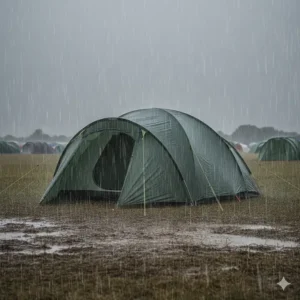
Air Beam vs Traditional Pole Tents
The revolutionary air beam technology transforming family camping has now entered premium festival tent territory. Understanding the genuine benefits and limitations helps determine whether air beam investment suits your festival camping style.
Air Beam Technology Explained
Air beam tents replace traditional rigid poles with inflatable tubes. Using included pumps, beams inflate to create stable tent structures in minutes. The Quechua Air Seconds 4.2 exemplifies this technology, achieving complete setup in approximately 8 minutes versus 15-20 minutes for equivalent pole tents. No wrestling individual poles through sleeves or struggling with complicated hub systems—simply unfold, inflate, and you’re done.
The Air Beam Advantage
Setup speed represents the primary benefit, particularly valuable when arriving late at crowded festival sites. The lack of individual poles eliminates the frustration of bent or broken components—air beam punctures prove remarkably rare with proper handling. Packed weight often compares favourably to equivalent pole tents despite larger dimensions.
Air Beam Considerations
Premium pricing represents the most significant barrier—quality air beam tents start around £350 and can exceed £500. The Quechua Air Seconds 4.2 at £380-£450 delivers outstanding value relative to competitors but still demands substantial investment. Pumps require separate purchase (typically £20-£30), adding to initial costs. According to The Camping and Caravanning Club, air beam reliability has improved dramatically, but repair kit costs and complexity exceed simple pole replacement.
When Air Beams Excel
Family festivals prioritising comfort and convenience rather than minimalist packing benefit most from air beam technology. Groups sharing costs can justify premium investment through superior camping experience. However, budget-conscious solo festival-goers or those using public transport should probably stick with traditional pole alternatives like the Coleman Darwin 4 Plus or Quechua MH100 delivering excellent performance at significantly lower prices.
Maintenance Requirements
Air beams require more careful storage than poles—UV damage, punctures, and valve deterioration can occur without proper maintenance. Always deflate completely before packing, store away from direct sunlight, and periodically check beam integrity before festivals. Quality air beam tents regularly survive 5-7 years with proper care—shorter lifespans than premium pole tents but acceptable given convenience benefits.
Budget Festival Tent vs Premium Options
The festival tent market spans incredible price ranges—from £30 basic pop-ups through £500+ premium air beam models. Understanding where extra investment delivers genuine value versus marketing hype helps optimise your budget allocation.
Ultra-Budget Tier (£30-£60)
The Eurohike Pop 200 exemplifies this category—functional emergency shelter lacking durability or comfort features. These prove acceptable for single-event use, public transport festivals, or testing whether festival camping suits you before serious investment. However, expect condensation issues, questionable weather resistance, and single-season lifespans. Many experienced festival-goers recommend avoiding this tier entirely, arguing £80-£100 mid-range tents deliver dramatically better value.
Budget Tier (£65-£100)
This sweet spot offers genuine quality without breaking budgets. The Quechua MH100 Fresh & Black demonstrates how thoughtful design and quality materials create excellent festival tents under £90. Proper double-skin construction, reliable waterproofing (2000mm), and innovative features like blackout technology provide multi-season reliability. This tier suits most festival-goers—students, young professionals, and casual campers attending 2-4 festivals annually.
Mid-Range Tier (£100-£200)
Models like the Coleman Darwin 4 Plus BlackOut (£135-£175) and Vango Classic Instant 300 (£120-£160) occupy this category, offering premium features justifying higher investment. Enhanced waterproof ratings (3000mm+), superior ventilation systems, instant-pitch mechanisms, and improved durability characterise mid-range tents. Frequent festival-goers attending 5+ events annually find this tier delivers optimal value—the additional £50-£100 investment versus budget options pays back through superior comfort and extended lifespan.
Premium Tier (£200-£500)
The Coleman Octagon (£220-£280) and Quechua Air Seconds 4.2 (£380-£450) represent premium festival camping. These deliver exceptional space, cutting-edge technology (air beams, advanced blackout systems), and features transforming camping from endurance test into genuine comfort. Families, groups sharing costs, or festival veterans attending major multi-day events like Glastonbury find premium tents worthwhile. However, solo budget-conscious campers rarely justify this investment—better allocating funds toward mid-range tents and quality sleeping gear.
According to consumer research from Which?, tent longevity relates more to proper maintenance than initial price. Budget tents properly cared for often outlast neglected premium alternatives.
Festival Tent Size and Capacity Guide
Tent manufacturers’ capacity ratings consistently prove optimistic—”3-person” tents realistically sleep two adults with gear comfortably. Understanding practical capacity versus marketing claims prevents uncomfortable festival experiences.
The Reality of Tent Capacity Ratings
Manufacturers calculate capacity based on shoulder-to-shoulder adult positioning without accounting for gear, sleeping bags, or realistic comfort space. According to Camping and Caravanning Club guidance, subtract one person from manufacturer ratings for realistic capacity. A rated 4-person tent like the Coleman Darwin 4 Plus comfortably sleeps three adults or two adults with substantial gear space.
Solo Festival Camping
Solo campers benefit from 2-3 person tents providing crucial extra space for clothes, bags, and wet weather gear storage. The Quechua MH100 Fresh & Black rated for 2-3 people offers solo campers luxurious space—store everything securely inside the tent whilst maintaining comfortable sleeping areas. The modest weight (4.1kg) and compact pack size remain manageable for single-person transport.
Couples and Pairs
Couples should target 3-4 person tents maximising comfort and storage. The Eurohike Avon 3 DLX Nightfall provides perfect space for two adults with weekend festival gear, including porch area for muddy wellies and wet clothing. Three-day festivals demand more space than overnight camping trips—separate sleeping and storage areas dramatically improve quality of life.
Groups and Families
Groups face crucial decisions between individual tents or shared accommodation. The Coleman Octagon (6-8 capacity) suits 4-6 adults sharing, providing separate zones through removable partition curtains. However, groups exceeding four people should seriously consider multiple smaller tents—the social benefits rarely offset compromised personal space during multi-day festivals. Family groups with children benefit from larger tents like the Quechua Air Seconds 4.2 featuring separate bedrooms maintaining parental sanity.
Gear Storage Considerations
Festival camping demands significantly more gear than backpacking—clothing changes, food supplies, camping chairs, and inevitable festival purchases accumulate rapidly. Always allocate dedicated gear storage space separate from sleeping areas. Tents featuring vestibules or porch areas like the Eurohike Avon 3 DLX prove invaluable for organising equipment and keeping muddy items isolated.
Packing and Transporting Your Festival Tent
Getting your festival tent from home to campsite represents a frequently overlooked challenge—especially for public transport users. Strategic packing and transport planning prevents festival weekend disasters.
Public Transport Considerations
Rail and coach festival travel demands ruthless packing efficiency. Measure tent packed dimensions carefully—many “compact” tents still exceed train overhead luggage limits. The lightweight Eurohike Pop 200 (1.6kg, circular bag) fits overhead storage easily but compromises weather protection. Alternatively, the Quechua MH100 at 4.1kg and 60cm length remains manageable for public transport whilst delivering substantially better performance.
Car Camping Luxury
Car access enables larger, heavier tents providing superior comfort. The Coleman Octagon (20.7kg) or Quechua Air Seconds 4.2 (18.5kg) become viable options when weight restrictions disappear. However, consider festival site geography—some festivals like Glastonbury involve substantial walks from car parks to camping fields. Wheeled bags prove invaluable but don’t eliminate physical effort requirements.
Organised Packing Strategy
Create systematic packing lists preventing last-minute panic and forgotten essentials. Pack tent bodies, poles, and pegs in clearly labelled bags within main tent storage—nothing worse than discovering missing poles after queuing two hours for entry. Always include spare tent pegs (festival sites eat pegs mysteriously) and guy ropes. According to experienced campers on UKCampsite.co.uk, bringing 50% extra pegs costs minimal money but saves substantial frustration.
Protection During Transport
Tents endure rough treatment during festival transport—train luggage racks, festival shuttle buses, and crowded campsites all risk damage. Use sturdy outer bags protecting delicate tent fabrics and poles. Many experienced festival-goers recommend military-surplus duffel bags providing robust protection at reasonable prices (typically £20-£40 on Amazon UK).
How to Choose the Best Festival Tent: 7 Essential Steps
Selecting your ideal festival tent requires balancing competing priorities—budget, space, weight, weather protection, and durability. Follow these seven steps for optimal decision-making.
Step 1: Establish Your Budget Ceiling
Determine realistic spending limits before browsing prevents impulse purchases and budget blowouts. Quality festival tents start around £65-£85 (Quechua MH100), with mid-range options at £100-£175 delivering excellent value for frequent festival-goers. Premium models exceeding £200 suit specific scenarios—groups sharing costs or families prioritising comfort. Remember factoring accessory costs: groundsheets (£15-£30), additional guy ropes, and potential pump purchases for air beam tents.
Step 2: Calculate Realistic Capacity Requirements
Add one person to your actual group size when selecting tent capacity. Two adults camping together should target 3-4 person tents providing crucial gear storage space. Solo festival-goers benefit from 2-3 person options offering room for equipment and wet weather contingencies. Large groups should seriously consider multiple smaller tents rather than single massive shelters—personal space becomes premium during multi-day festivals.
Step 3: Assess Transport Methods
Public transport users must prioritise lightweight, compact designs like the Quechua MH100 (4.1kg, manageable dimensions). Car campers enjoy flexibility choosing larger, heavier options delivering superior comfort. Consider the complete journey—including walking distances from car parks to camping fields at venues like Glastonbury or Download.
Step 4: Evaluate Festival Conditions
Research your target festival’s typical weather and campsite conditions. Glastonbury’s notorious mud demands robust waterproofing (3000mm+) and bathtub groundsheets. Reading and Leeds’ exposed locations require excellent wind resistance. Download’s rock-hard ground necessitates quality pegs and mallet. Festival-specific requirements significantly influence optimal tent selection.
Step 5: Prioritise Essential Features
Identify non-negotiable features before shopping. Light sleepers should prioritise blackout technology (Quechua MH100 or Coleman Darwin 4 Plus). Groups benefit from separate living areas (Coleman Octagon). Convenience-focused campers justify instant-pitch mechanisms (Vango Classic Instant 300). According to The Festival Doctor, adequate ventilation and waterproofing remain universally essential regardless of other preferences.
Step 6: Research Real User Experiences
Study verified UK customer reviews on Amazon.co.uk focusing on festival-specific use cases. Generic camping reviews don’t accurately reflect festival conditions—crowds, variable weather, and multi-day duration create unique challenges. Look for patterns across multiple reviews rather than single extreme opinions.
Step 7: Consider Long-Term Value
Calculate cost-per-festival-use rather than fixating on upfront prices. A £150 quality tent surviving 10 festivals costs £15 per event. A £40 budget tent requiring annual replacement costs more long-term whilst delivering inferior performance. This calculation particularly matters for regular festival-goers attending 3+ events annually.
FAQ: Festival Tent Questions Answered
❓ What size tent do I need for a festival?
❓ How do you keep festival tents secure from theft?
❓ Can you leave your tent at a festival?
❓ What's the best cheap festival tent UK?
❓ How waterproof should a festival tent be for UK weather?
Conclusion: Choosing Your Perfect Festival Tent
Finding the best festival tent for UK festivals ultimately depends on balancing your specific priorities—budget constraints, transport methods, festival types, and personal comfort requirements. However, several clear recommendations emerge from this comprehensive analysis of 2026’s festival tent market.
For budget-conscious festival-goers seeking excellent value, the Quechua MH100 Fresh & Black at £65-£85 stands unrivalled. The combination of genuine blackout technology, reliable 2000mm waterproofing, and proven festival reliability makes this the smart choice for students, first-time festival campers, and anyone attending 2-4 events annually. UK customer reviews consistently praise its performance across major festivals from Glastonbury through Download.
Groups and families prioritising space and comfort should seriously consider the Coleman Octagon at £220-£280. The exceptional 15.7m² interior, full standing height throughout, and unique 360-degree panoramic design transform festival camping from cramped endurance test into legitimate glamping experience. Whilst the 20.7kg weight demands car transport, the wheeled carry bag and straightforward setup justify the investment for groups sharing costs.
Mid-range buyers seeking balanced performance should examine the Coleman Darwin 4 Plus BlackOut (£135-£175) or Vango Classic Instant 300 (£120-£160). Both deliver premium features—exceptional waterproofing, instant-pitch convenience, proven durability—at prices representing outstanding value for frequent festival-goers. The Darwin excels in weather protection whilst the Vango prioritises setup convenience.
Premium buyers with generous budgets attending major multi-day festivals like Glastonbury should investigate the Quechua Air Seconds 4.2 at £380-£450. Revolutionary air beam technology, separate bedrooms, and advanced climate control systems justify the investment for serious festival veterans prioritising maximum comfort and rapid deployment.
Remember that tent selection represents just one component of successful festival camping. Proper site selection, strategic packing, maintenance routines, and realistic expectations about British weather all contribute equally to positive festival experiences. The most expensive tent won’t prevent discomfort if poorly pitched in boggy hollows, whilst budget options perform admirably when properly maintained and positioned.
According to research from The Camping and Caravanning Club, the average UK festival-goer attends 3.2 events annually—making quality tent investment worthwhile through multi-season reliability and improved camping comfort. Whatever your budget or festival preferences, one of these seven carefully researched options will transform your 2026 festival season into memorable, comfortable adventures rather than soggy ordeals.
The UK festival scene continues thriving in 2026, offering incredible musical experiences from intimate boutique gatherings through legendary events like Glastonbury. With the right festival tent protecting you from Britain’s unpredictable weather, you’ll spend less time managing camping logistics and more time enjoying the festival atmosphere that makes these events genuinely special. Now stop reading, choose your ideal tent from the options above, and start planning your next unforgettable festival weekend!
Recommended for You
- 7 Best Trekking Pole Tents UK 2026
- Bell Tent vs Tipi Tent: 7 Best Canvas Glamping Tents 2026
- 7 Best Weekend Camping Tents UK 2026
Disclaimer: This article contains affiliate links. If you purchase products through these links, we may earn a small commission at no additional cost to you. Prices shown are approximate and may vary.
✨ Found this helpful? Share it with your mates! 💬🤗
