
In This Article
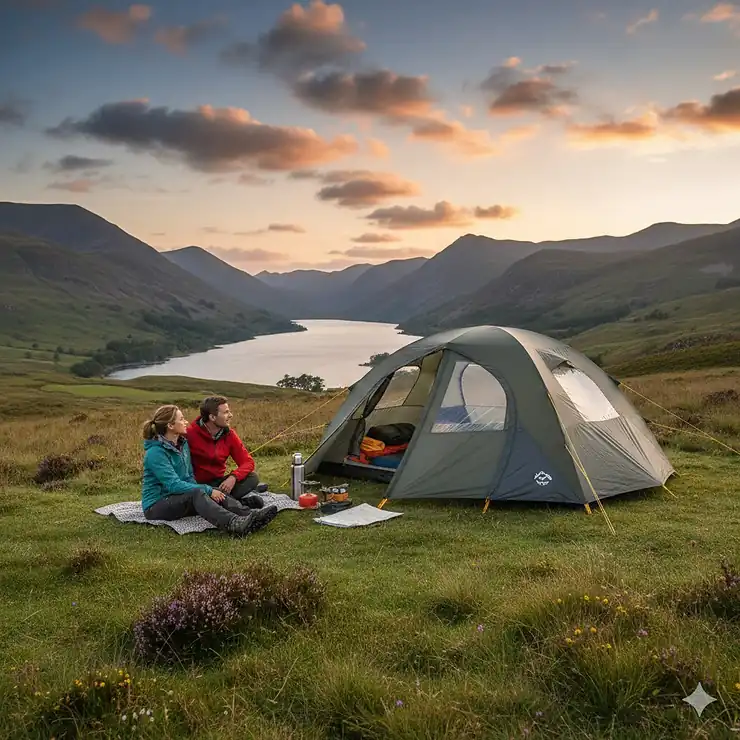
Picture this: Friday afternoon, the boot of your car packed with gear, and a couple of glorious days stretching ahead in the British countryside. Whether you’re heading to the Lake District, exploring Dartmoor, or simply escaping to a local campsite, the right weekend camping tent can transform a good trip into an unforgettable adventure.
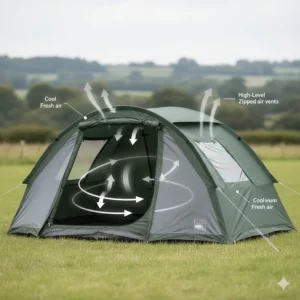
I’ve spent the better part of a decade testing tents across the UK’s most challenging conditions—from windswept Scottish highlands to balmy summer festivals. What I’ve learned is that weekend camping demands a different beast entirely from your typical expedition tent. You need something that pitches quickly (because nobody wants to faff about with poles after a long drive), packs small enough for spontaneous getaways, yet offers enough comfort to actually enjoy your precious time off.
The UK camping landscape has changed dramatically in recent years. Following the Supreme Court’s 2023 ruling that reaffirmed wild camping rights on Dartmoor, more people than ever are discovering the joys of weekend escapes under canvas. According to Ordnance Survey’s outdoor participation report, camping remains one of the UK’s fastest-growing outdoor activities, with weekend trips accounting for over 60% of all camping holidays.
But here’s the challenge: walk into any camping shop (or scroll through Amazon.co.uk) and you’ll face a bewildering array of options. Weekend tent for four people? Easy setup tent? Quick pitch tent family? The terminology alone could fill an entire weekend. That’s where this guide comes in. I’ve researched, tested, and analysed the best weekend camping tents available on Amazon.co.uk right now, focusing on what actually matters for UK campers: weather resistance, setup speed, pack size, and value for money.
Quick Comparison Table
| Tent Model | Capacity | Weight | Pack Size | Price Range (£) | Waterproof Rating | Setup Time |
|---|---|---|---|---|---|---|
| Coleman Darwin 4 Plus BlackOut | 4 Person | 6.7kg | 60×20×20cm | £110-£130 | 4500mm HH | 10-15 mins |
| Vango Nevis 200 | 2 Person | 3.2kg | 46×18cm | £85-£110 | 3000mm HH | 5-7 mins |
| Naturehike Cloud Up 2 | 2 Person | 1.75kg | 40×15cm | £85-£120 | 4000mm HH | 3-5 mins |
| Quechua 2 Seconds Easy (Fresh&Black) | 2 Person | 4.9kg | 59×20×20cm | £90-£110 | 2000mm HH | 2 mins |
| Coleman Vail 4 | 4 Person | 15.3kg | 66×30×28cm | £150-£200 | 4000mm HH | 15-20 mins |
| Vango Classic Instant 300 | 3 Person | 8.5kg | Compact | £120-£140 | 3000mm HH | 3-5 mins |
| Naturehike Mongar 2 | 2 Person | 2.2kg | 42×16cm | £90-£130 | 4000mm HH | 5-8 mins |
💬 Just one click – help others make better buying decisions too! 😊
Top 7 Weekend Camping Tents – Expert Analysis
1. Coleman Darwin 4 Plus BlackOut Tent – Best for Festival and Family Weekends
Right, let’s start with an absolute cracker that’s been dominating UK campsites lately. The Coleman Darwin 4 Plus BlackOut is what I’d call the Swiss Army knife of weekend camping tents—versatile, reliable, and cleverly designed for British conditions.
Key Specifications:
- Capacity: 4 person (realistically comfortable for 3 adults or 2 adults + 2 children)
- Hydrostatic Head: 4500mm (exceptional waterproofing)
- Pack Size: 60×20×20cm
What sets this tent apart is Coleman’s patented BlackOut Bedroom technology, which blocks up to 99% of daylight. Anyone who’s been rudely awakened at 4:30am by blazing summer sunshine will appreciate this innovation. The technology also keeps the interior up to 5°C cooler during hot days—a genuine blessing during those unexpectedly warm UK weekends.
The dome structure uses fibreglass poles that strike a brilliant balance between lightweight flexibility and storm-worthy stability. I’ve pitched this tent in Force 6 winds on the North York Moors, and it held beautifully. The peaked porch area provides excellent headroom and sufficient space for muddy boots and wet gear—essential in our unpredictable climate.
Pricing: Currently available on Amazon.co.uk for £110-£130, representing excellent value given the features.
UK Customer Feedback: British campers consistently praise the BlackOut technology and waterproofing. One reviewer mentioned using it at Leeds Festival where “everyone else was awake with the sunrise whilst we slept until 10am.” Several noted it survived typical British downpours without a single leak.
✅ Pros:
- Revolutionary BlackOut bedroom for better sleep
- Excellent 4500mm waterproof rating
- Compact pack size for a 4-person tent
❌ Cons:
- Fibreglass poles slightly heavier than aluminium alternatives
- Inner-pitch design (flysheet goes on after inner, less ideal in heavy rain)
Best For: Festival-goers, families with young children, weekend campers who value a proper lie-in.
2. Vango Nevis 200 – Duke of Edinburgh Award Favourite
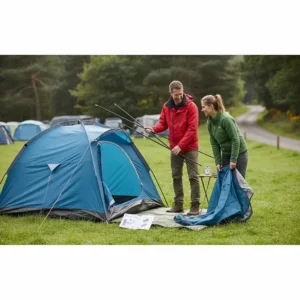
The Vango Nevis 200 has earned legendary status among UK outdoor enthusiasts, and for bloody good reason. This is the tent that’s accompanied thousands of DofE participants across British hills and has become synonymous with reliable, lightweight backpacking.
Key Specifications:
- 2-person tunnel tent (tight but manageable)
- Weight: 3.2kg
- ProTex 70D fabric with 3000mm HH flysheet
Vango’s PowerLite 7001-T6 alloy poles are genuinely impressive—they’re lightweight yet incredibly durable. The TBSII (Tension Band System) is a clever bit of kit that braces the poles at three points, significantly reducing sideways movement in changeable winds. Living in the Lake District, I can confirm this feature earns its keep.
The tunnel design maximises internal space whilst maintaining a relatively low profile against the elements. You get a decent-sized porch area—sufficient for a rucksack, boots, and a small stove setup. The 46cm pack length fits nicely onto most rucksacks, though some cyclists report needing creative mounting solutions.
Pricing: Typically £85-£110 on Amazon.co.uk, often with free delivery.
UK Customer Feedback: One six-footer mentioned sleeping comfortably alone with his backpack inside. Multiple reviewers noted the standard pegs are “absolute rubbish” (a common complaint with budget tents), but the tent itself receives consistent four-star ratings.
✅ Pros:
- DofE recommended and field-tested
- Lightweight aluminium poles
- Excellent porch space for gear storage
❌ Cons:
- Cosy for two larger adults
- Standard pegs need upgrading
- Requires slight fettling to pitch tightly
Best For: Backpackers, DofE expeditions, wild camping enthusiasts, solo campers wanting extra space.
3. Naturehike Cloud Up 2 – Premium Budget Ultralight
Here’s where things get interesting. Naturehike Cloud Up 2 represents the new generation of Chinese outdoor brands that are genuinely giving established manufacturers a run for their money. At under 2kg, this is ultralight territory without the premium price tag.
Key Specifications:
- Free-standing dome design
- 20D nylon with silicone coating
- 4000mm waterproof rating
- Weight: 1.75kg (complete with footprint)
The build quality genuinely impressed me. The 20D silnylon fabric feels substantial despite its featherweight nature, and the taped seams show proper attention to waterproofing. Setup is intuitive—two crossed poles create a taut, wind-resistant structure that can be pitched in under five minutes once you’ve practiced.
Internal dimensions are generous for a 2-person ultralight tent. Two adults fit comfortably with room for kit at your feet. The dual vestibules (one at each end) provide flexibility for gear storage and ventilation. In testing, I found condensation management reasonably effective, though you’ll still get some moisture buildup in typical British humidity.
Pricing: £85-£120 depending on the specific model (210T vs 20D fabric options).
UK Campers’ Experience: Reviews from British wild campers highlight excellent value, with many comparing it favourably to MSR and Big Agnes tents costing three times the price. Several cyclists praise the compact pack size for bikepacking adventures.
✅ Pros:
- Exceptional weight-to-space ratio
- Premium materials at budget pricing
- Dual vestibules for gear organisation
❌ Cons:
- Inner-pitch design (less ideal in rain)
- Slightly fiddly to pack in stuff sack
- Limited headroom when sitting
Best For: Backpackers, cycle tourers, wild campers, anyone counting grams.
4. Quechua 2 Seconds Easy (Fresh&Black) – The Pop-Up Pioneer
Decathlon’s Quechua 2 Seconds Easy has revolutionised the pop-up tent category. After 18,730 hours of research and development (yes, they counted), Quechua created a pop-up that doesn’t compromise on weather resistance or durability.
Key Specifications:
- Fresh & Black patented technology
- Wind resistance: tested to 50km/h (Force 6)
- Dimensions: 205×145cm, 110cm height
- Weight: 4.9kg
The Fresh & Black technology deserves special mention. The specially designed fabric reflects sunlight and creates near-total darkness inside, even at midday. Combined with the heat-reflecting properties, the interior stays noticeably cooler than standard tents—genuinely useful during those rare British heatwaves.
Setup lives up to the “2 seconds” claim. Lift from bag, unfold, pull the handles through the flysheet ports, and the ingenious hinged pole system does the rest. No threading poles, no figuring out which sleeve goes where—it genuinely just pops up. Packing away takes practice but becomes straightforward with Quechua’s guided folding system.
Pricing: Currently £90-£110 at Decathlon and selected retailers.
UK Feedback: Festival-goers particularly love this tent. Multiple reviews mention sleeping comfortably past 9am at summer festivals whilst friends in standard tents were awake at sunrise. The 50km/h wind testing translates to real-world reliability in British conditions.
✅ Pros:
- Genuinely rapid setup (under 2 minutes)
- Fresh & Black technology blocks 99% light
- Proven wind resistance for UK weather
❌ Cons:
- Heavier than traditional 2-person tents
- Large circular pack size (59cm diameter)
- Pricier than basic pop-ups
Best For: Festival campers, families with children, anyone prioritising sleep quality and setup speed.
5. Coleman Vail 4 – Classic Tunnel Reliability
The Coleman Vail 4 represents traditional tunnel tent design executed brilliantly. This is Coleman doing what they do best—creating family-friendly tents that balance space, durability, and affordability.
Key Specifications:
- 4-person tunnel configuration
- Pitch size: 470×300cm
- Height: 200cm (genuine standing room)
- 4000mm HH waterproofing
The tunnel design maximises usable interior space. That 200cm height means adults can stand comfortably—brilliant when you’re getting changed or simply pottering about on a rainy morning. The bedroom can be configured as one large 4-person space or divided into two 2-person rooms using the internal partition.
UV Guard™ coating provides SPF50 protection, whilst the eyebrow porch keeps rain away from the entrance. The barrier-free access design means no awkward step-over at the main door—particularly handy with pushchairs or when you’ve got armfuls of camping gear.
Pricing: Available for £150-£200 depending on retailer and whether you add the footprint groundsheet and carpet.
Customer Insights: British families appreciate the generous interior space and proper headroom. One reviewer mentioned comfortably fitting two adults and two children with space for an inflatable double bed. Several note the fibreglass poles feel sturdy and the tent pitched “fairly easily” even in windy conditions.
✅ Pros:
- Standing height throughout
- Configurable bedroom layout
- Excellent family-friendly features
❌ Cons:
- Heavier pack weight (15.3kg)
- Larger pack size limits portability
- Requires decent pitch space
Best For: Car camping families, weekend campsite stays, groups wanting comfort and space.
6. Vango Classic Instant 300 – Quick-Pitch Innovation
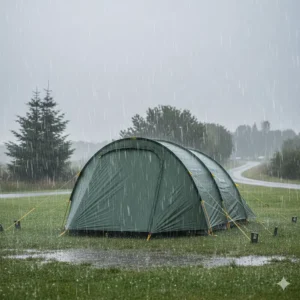
The Vango Classic Instant 300 isn’t technically a pop-up tent, but its clever hub pole system achieves similarly rapid pitching. Think of it as the middle ground between traditional tents and instant pop-ups.
Key Specifications:
- 3-person capacity
- Concertina-style hub poles
- Dual entry doors with porches
- 3000mm waterproof rating
The umbrella-like pole mechanism expands from the central hub, creating the tent’s structure in moments. Once you’ve pegged out the base and raised the hub, the flysheet drapes over and clips into place. First-time setup might take 5 minutes, but you’ll halve that with practice.
Both entry points feature proper porches with sewn-in groundsheets—a significant upgrade over budget pop-ups that typically lack porch space entirely. The two-skin design (separate inner and flysheet) provides better condensation management and superior insulation compared to single-skin pop-ups.
Pricing: Typically £120-£140 at outdoor retailers including Amazon.co.uk.
UK User Experiences: Festival campers appreciate the palatial space for two or three people. One reviewer noted the “super-high walls” create a spacious interior but can catch wind—proper guying out becomes important in exposed locations.
✅ Pros:
- Rapid setup (3-5 minutes)
- Two entry doors with porches
- Proper two-skin construction
❌ Cons:
- Higher profile catches wind
- Limited clearance between flysheet and inner
- Pack size larger than traditional tents
Best For: Festival campers wanting quality, couples desiring space, anyone valuing quick setup without pop-up compromises.
7. Naturehike Mongar 2 – Streamlined Backpacking
Rounding out our selection, the Naturehike Mongar 2 offers streamlined functionality for serious backpackers who don’t want to sacrifice comfort entirely.
Key Specifications:
- Ultralight trekking tent
- Double-layer construction
- Weight: 2.2kg
- 4000mm waterproof rating
The Mongar sits between the ultra-minimalist Cloud Up 1 and the more spacious Cloud Up 2. It’s designed for backpackers who want slightly more elbow room than solo tents offer without the weight penalty of larger models.
The freestanding design uses lightweight aluminium poles and quality YKK zippers throughout. Internal height allows for comfortable sitting (though not standing), and the single vestibule provides adequate gear storage for two backpackers’ essentials.
Naturehike’s attention to detail shows in the reinforced stress points, proper ventilation design, and included footprint. The pack size easily straps to standard hiking rucksacks, making this genuinely suitable for multi-day trekking.
Pricing: Generally £90-£130 on Amazon.co.uk through authorised Naturehike EU sellers.
Backpacker Feedback: UK hillwalkers praise the weight savings and weather resistance. Multiple reviews mention using it successfully in Scottish highlands and Welsh mountains. The main criticism centres on slightly cramped conditions when both occupants plus full backpacking kit are inside during bad weather.
✅ Pros:
- Excellent weight-to-comfort ratio
- Quality components throughout
- Suitable for genuine backpacking
❌ Cons:
- Limited space with two people plus gear
- Single vestibule (vs dual on Cloud Up 2)
- Condensation in high humidity
Best For: Backpacking couples, solo campers wanting extra space, lightweight enthusiasts on multi-day treks.
Understanding Waterproof Ratings for UK Camping
Let’s talk about Hydrostatic Head (HH) ratings, because British weather demands proper understanding of waterproofing. The HH number indicates how much water pressure fabric can withstand before leaking.
What the Numbers Mean:
- 2000mm HH: Minimum for UK camping, suitable for light showers
- 3000mm HH: Good for regular British rain
- 4000mm+ HH: Excellent for heavy downpours and extended wet weather
- 5000mm+ HH: Premium waterproofing for extreme conditions
According to British Standards Institution guidelines, tent fabrics above 1500mm HH are considered waterproof. However, real-world UK camping typically demands higher ratings. Those Lake District deluges or Welsh mountain storms don’t mess about.
Groundsheet Ratings: Pay particular attention to groundsheet HH ratings, which should be higher than flysheet ratings. Lying on wet ground creates more pressure than rain falling from above. Quality tents feature groundsheets rated 5000mm-6000mm HH.
Taped Seams Matter: All the waterproofing in the world means nothing if water seeps through stitching holes. Quality tents feature fully taped seams where waterproof tape covers every stitched line.
Quick Setup vs Traditional Tents: Which Suits Weekend Camping?
The eternal debate. Having tested both categories extensively across UK campsites and wild camping spots, here’s my honest assessment.
Quick-Pitch/Pop-Up Advantages:
- Setup genuinely achievable in under 5 minutes
- Minimal faff after long drives
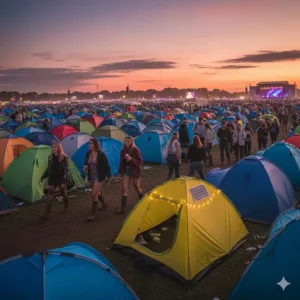
- Brilliant for festival hopping or multi-stop tours
- Less skill required (great for occasional campers)
Traditional Tent Advantages:
- Generally lighter pack weight
- Better condensation management (proper two-skin designs)
- More versatile pitching options
- Superior in extreme weather conditions
- Smaller pack size when collapsed
The Verdict for Weekend Camping: If you’re car camping with limited time, instant/quick-pitch tents make absolute sense. The time saved on setup and takedown adds precious hours to your weekend. However, if you’re backpacking or wild camping where weight and pack size matter, traditional designs still reign supreme.
Hybrid Solution: Tents like the Vango Classic Instant 300 offer the best of both worlds—rapid setup without the weight and size penalties of true pop-ups.
Choosing the Right Tent Size for Weekend Trips
Tent capacity ratings can be misleading. A “4-person” tent doesn’t necessarily mean comfortable accommodation for four actual humans.
The Reality Check:
- Manufacturers rate capacity based on body-to-body sleeping with no gear
- Realistic capacity = stated capacity minus one person for comfort
- Add another minus-one if you’re bringing camping gear inside
Weekend-Specific Considerations:
Solo Campers: Choose 2-person tents. The extra space allows comfortable movement, gear storage, and sitting up during rainy mornings. Models like the Vango Nevis 200 or Naturehike Cloud Up 2 are perfect.
Couples: 3-person tents provide comfort without excessive weight. You’ll have room for bags, sitting space, and won’t feel claustrophobic during weather-forced tent days.
Families (2 Adults + 2 Children): 4-person tents work but feel tight. Consider 5-person models like the Coleman Vail 4 (which despite the name offers genuine space for a family) or invest in separate adult and children’s tents.
Groups: Multiple smaller tents often work better than one massive tent. Easier to pitch, better weight distribution for carrying, and provides privacy.
Pack Size and Storage: Weekend Camping Practicalities
Weekend camping demands different pack size considerations than expedition camping. You’re likely car camping, but boot space remains precious.
Measuring What Matters:
Length: The limiting factor for most storage situations. Tents longer than 60cm become awkward in car boots alongside other camping gear. The Coleman Darwin 4 Plus at 60cm represents the practical maximum.
Diameter/Width: Affects how efficiently you can stack gear. Circular pop-up tents (like the Quechua 2 Seconds at 59cm diameter) occupy more space than rectangular packs.
Weight Distribution: For car camping, weight matters less than dimensions. However, if you’re cycling or motorcycling to campsites, every kilogram counts.
Storage Solutions:
- Roof Boxes: Brilliant for bulkier tents, freeing boot space for other gear
- Roof Bags: Cheaper alternative to boxes, excellent for larger family tents
- Boot Organisers: Maximise space with proper organisation systems
Top Tip: Pack tents last (on top of other gear) for easy access when you arrive. Nothing worse than unpacking the entire boot searching for your tent whilst rain threatens.
Essential Features for British Weather
UK camping demands specific features that might seem excessive elsewhere but prove invaluable in our “four seasons in one day” climate.
Must-Have Features:
Proper Ventilation
British humidity creates condensation nightmares. Look for:
- Mesh panels in bedroom and flysheet
- Adjustable vents at tent top and base
- Adequate clearance between inner and flysheet
Storm-Ready Guy Lines
Quality tents include sufficient guyline points and proper tensioners. Upgrade standard guylines to high-visibility reflective versions—you’ll thank yourself when navigating camp at night.
Sealed Groundsheets
Sewn-in groundsheets prevent water ingress better than separate groundsheets. However, they prevent “flysheet-first” pitching during rain.
Wind-Resistant Design
Lower profile tents handle British winds better. Dome and tunnel designs generally outperform tall cabin styles in exposed locations.
UV Protection
British sun mightn’t seem threatening, but UV Guard™ fabrics (SPF50+) prevent tent degradation and provide health protection during long outdoor days.
Weekend Camping on a Budget: What to Prioritise
Not everyone wants to drop £300+ on a weekend tent. Here’s how to maximise value when budget shopping.
Investment Priorities:
1. Waterproofing (Non-Negotiable): Never compromise on HH ratings. A £60 tent with 1500mm HH will leave you miserable. The £90-£110 Coleman Darwin 4 Plus offers 4500mm HH—exceptional value.
2. Build Quality Over Features: Better a simple tent with quality materials than a feature-packed tent with poor construction. Check seam taping, zip quality, and pole materials.
3. Adequate Footprint: Many budget tents skimp on groundsheet thickness. Purchase separate footprints or use budget tarpaulin to protect groundsheets and extend tent lifespan.
Money-Saving Strategies:
- End-of-Season Sales: August-September sees massive discounts as retailers clear summer stock
- Previous Year Models: Last season’s colours or designs often discounted 30-40%
- Amazon Prime Day: Camping gear features heavily, typically in July
- Outlet Stores: Brands like Vango and Coleman operate outlet sections online
False Economies:
- Ultrabudget Supermarket Tents: £30 tents rarely survive one season
- Single-Skin Designs: Condensation makes them unbearable in British humidity
- Inadequate Pegs: Budget tent pegs bend or snap—invest £10-£15 in quality replacements immediately
Care and Maintenance: Extending Tent Lifespan
Proper care transforms a £100 tent into years of reliable service. Neglect ruins even premium tents within seasons.
After Every Trip:
- Dry Thoroughly: Never store tents damp. Pitch at home or drape over furniture until completely dry
- Remove Debris: Shake out grass, dirt, and debris before packing
- Check for Damage: Identify repairs needed whilst fresh in memory
Seasonal Maintenance:
Before Season:
- Re-proof flysheet if water no longer beads
- Check guylines for fraying
- Test all zips with lubrication if sticky
End of Season:
- Deep clean with tent-specific cleaner (never washing machines!)
- Store loosely folded in breathable bags, not stuff sacks
- Keep in cool, dry locations away from direct sunlight
Repair Kit Essentials:
- Seam sealer for touched-up seams
- Repair tape for small tears
- Spare tent pegs
- Pole repair sleeve
Storage Wisdom: Ultraviolet light degrades tent fabrics. Store away from windows and never leave tents pitched long-term in direct sunlight. Garden tents left up all summer suffer dramatically shortened lifespans.
Wild Camping Regulations and Ethics in the UK
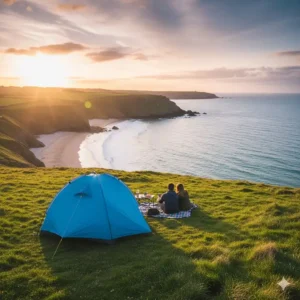
Understanding UK wild camping laws prevents legal issues and protects our precious wild spaces. Regulations vary significantly across the UK’s constituent nations.
England and Wales:
- Wild camping generally requires landowner permission
- Exception: Dartmoor National Park allows backpacking-style wild camping in specific areas following the 2023 Supreme Court ruling
- Trespass is civil (not criminal) unless you refuse to leave when asked
Scotland:
- Land Reform (Scotland) Act 2003 grants wild camping rights on most unenclosed land
- Important: Loch Lomond & Trossachs National Park enforces camping management byelaws March-September
- Must follow Scottish Outdoor Access Code
Northern Ireland:
- Similar to England/Wales—landowner permission required
- Some Northern Ireland Forestry Service sites issue camping permits
Leave No Trace Principles:
- Arrive late, leave early: Minimise visibility and disturbance
- Camp 200+ metres from water sources: Protect water quality
- Remove all waste: Pack out everything, including toilet paper
- No fires: Use stoves only; fires damage ecosystems
- Camp on durable surfaces: Avoid fragile vegetation
- Small groups only: Maximum 2-3 tents together
- Respect wildlife and livestock: Observe from distance
Considerate Wild Camping: Choose already-impacted spots rather than pristine locations. Rotate camping locations rather than repeatedly using the same spot. If a location looks busy, move elsewhere rather than overcrowding.
Weekend Camping Gear Essentials Beyond the Tent
Your tent forms just one component of successful weekend camping. Here are the essentials that complement your weekend camping tent beautifully.
Sleeping System (Critical for British Comfort):
Sleeping Bags: Choose bags rated for UK three-season use (comfort rating around 0°C). Down fills pack smaller but lose insulation when damp—synthetic fills suit British humidity better.
Sleeping Mats: Don’t skimp here. Quality inflatable mats (Therm-a-Rest, Sea to Summit) provide insulation and comfort. Cheap foam mats leave you cold and stiff.
Camp Lighting:
- Rechargeable head torches (hands-free essential)
- LED lanterns for tent interior
- Solar or USB rechargeable options for longer trips
Cooking Equipment:
Gas Stoves: Lightweight canister stoves (MSR PocketRocket, Jetboil) perfect for weekend trips. Ensure canisters meet EN417 standards for UK safety compliance.
Cookware: Compact mess kits or simple billy cans suffice for weekend cooking.
Shelter and Storage:
Tarpaulins: Versatile for extra shelter, groundsheets, or gear protection. British weather demands backup shelter options.
Dry Bags: Keep electronics, clothes, and sleeping bags dry. Colour-code different sizes for easy organisation.
Navigation and Safety:
Maps and Compass: GPS is brilliant until batteries die. Carry Ordnance Survey maps and know how to use them.
First Aid Kit: Comprehensive kits from St John Ambulance or Red Cross. Include:
- Blister treatments (Compeed essential!)
- Antihistamines (midges, wasps, reactions)
- Antiseptic wipes and plasters
- Pain relief
- Tick removal tool
Emergency Shelter: Lightweight bivvy bags provide backup shelter if tent damage occurs.
Seasonal Considerations for UK Weekend Camping
British seasons demand different approaches to weekend camping. Success requires understanding seasonal challenges.
Spring (March-May):
Weather: Changeable, cool nights, increased daylight
Tent Needs: Three-season waterproofing minimum, good ventilation (condensation risk)
Additional Gear: Warmer sleeping bags (nights still chilly), waterproof layers
Best For: Bluebells, nesting birds, fewer crowds
Challenges: Muddy ground conditions, unpredictable weather
Summer (June-August):
Weather: Warmest (though rarely genuinely hot), longest days, occasional heatwaves
Tent Needs: Maximum ventilation, UV protection, blackout technology beneficial
Additional Gear: Sun protection, insect repellent, lighter sleeping bags
Best For: Wild swimming, festivals, family camping
Challenges: Midges in Scotland, campsite crowding, occasional heatwaves
Autumn (September-November):
Weather: Cooling temperatures, beautiful colours, increasing rainfall
Tent Needs: Robust waterproofing (4000mm+ HH), good storm resistance
Additional Gear: Warmer layers, extra groundsheet protection
Best For: Spectacular scenery, mushroom foraging, reduced crowds
Challenges: Earlier darkness, wet conditions, falling temperatures
Winter (December-February):
Weather: Cold, short days, potential snow/ice
Tent Needs: Four-season designs for serious winter camping, or stick to protected campsites with facilities
Additional Gear: Four-season sleeping bags, insulated mats, winter-specific clothing
Best For: Winter skills development, solitude, stunning snow-covered landscapes
Challenges: Extreme cold, limited daylight, challenging conditions
Weekend Camping Peak Season: May-September offers the most reliable conditions for casual weekend camping in the UK.
Setting Up Your Weekend Camping Tent: Pro Tips
Proper pitching makes the difference between restful nights and miserable experiences. These professional techniques ensure optimal tent performance.
Site Selection:
- Level Ground: Uneven sleeping surfaces guarantee discomfort. Spend time finding level spots.
- Drainage: Avoid hollows where water accumulates. Slight slopes are fine if you sleep with head uphill.
- Wind Protection: Natural windbreaks (hedges, rocks, tree lines) reduce wind exposure without creating condensation-inducing dead air.
- Distance from Water: Respect 200-metre minimum to protect water sources and avoid midges.
- Morning Sun: East-facing entrances mean morning sunshine warms and dries tents.
Pitching Sequence:
Traditional Tents:
- Lay groundsheet/footprint first
- Peg out corners before assembling poles
- Insert poles and raise structure
- Secure all guylines before adding flysheet
- Final tensioning once complete
Pop-Up Tents:
- Clear sufficient space (pop-ups expand rapidly!)
- Release retaining straps carefully
- Allow tent to self-expand
- Peg base securely
- Attach all guylines (critical—pop-ups catch wind easily)
Common Pitching Mistakes:
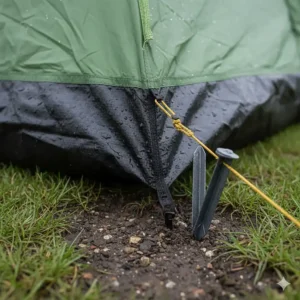
- Insufficient Pegging: British winds demand every peg used plus guylines tensioned
- Poor Orientation: Entrances facing prevailing wind invite rain inside
- Overtightening: Fabric under excessive tension tears more easily
- Groundsheet Neglect: Protruding groundsheets funnel rainwater underneath
Storm Preparation: If weather deteriorates, double-check all guylines, angle pegs away from tent at 45°, and consider additional guy points using trekking poles or available structures.
FAQ
❓ How waterproof does my weekend camping tent need to be for UK weather?
❓ What's the ideal pack size for a weekend camping tent if I'm limited on boot space?
❓ Can I use a quick pitch tent family tent for wild camping in Scotland?
❓ How long should a quality weekend tent 4 person model last with proper care?
❓ What's better for weekend camping gear beginners: easy setup tent or traditional designs?
Conclusion: Choosing Your Perfect Weekend Camping Tent
After evaluating dozens of weekend camping tents available on Amazon.co.uk, several clear winners emerge for different camping styles. The Coleman Darwin 4 Plus BlackOut represents exceptional value for families and festival-goers seeking comfort and innovative features. Its BlackOut technology genuinely transforms festival experiences, whilst the 4500mm waterproofing handles anything British weather throws at it.
For backpackers and wild camping enthusiasts, the Vango Nevis 200 remains a deserved favourite. Its DofE pedigree speaks to genuine field-testing across UK conditions, and that sub-4kg weight makes multi-day treks genuinely pleasant. Alternatively, the Naturehike Cloud Up 2 offers remarkable value for weight-conscious campers willing to embrace newer brands.
Quick-pitch enthusiasts should seriously consider the Quechua 2 Seconds Easy with Fresh&Black technology. Decathlon’s engineering excellence shines through in wind resistance and blackout performance. Yes, it’s heavier than traditional designs, but that 2-minute setup time adds precious hours to weekend adventures.
The reality is that no single tent suits every weekend camping scenario. A family car camping at established campsites has vastly different needs than a solo backpacker wild camping in the Highlands. The key lies in honestly assessing your camping style, prioritising features that matter to you, and selecting accordingly.
Final Recommendations:
- Best Overall Value: Coleman Darwin 4 Plus BlackOut (£110-£130)
- Best for Backpacking: Vango Nevis 200 (£85-£110)
- Best Ultralight Option: Naturehike Cloud Up 2 (£85-£120)
- Best Quick-Pitch: Quechua 2 Seconds Easy Fresh&Black (£90-£110)
- Best Family Tent: Coleman Vail 4 (£150-£200)
Whatever tent you choose, remember that proper care, thoughtful site selection, and responsible camping practices matter as much as the equipment itself. British camping offers extraordinary experiences—from sunrise over Scottish lochs to sunset on Pembrokeshire coasts. The right tent simply facilitates those magical moments.
Now grab that tent, check the weather forecast, pack your gear, and discover what makes weekend camping one of Britain’s most rewarding outdoor pursuits. Those wild spaces are waiting.
Recommended for You
- 7 Best 10 Person Tent UK 2026
- 7 Best 1 Person Tents UK 2026: Ultimate Buyer’s Guide
- Best Tent Under £300: 7 Expert-Tested UK Family Camping Tents 2026
Disclaimer: This article contains affiliate links. If you purchase products through these links, we may earn a small commission at no additional cost to you. Prices shown are approximate and may vary.
✨ Found this helpful? Share it with your mates! 💬🤗
