
In This Article
Picture this: it’s half past midnight at a Lake District campsite, you’ve just stumbled back from the loo block, and you’ve taken your third tumble over an invisible tent guy line. Sound familiar? You’re not alone. Trip-and-fall incidents caused by near-invisible guy ropes account for a significant portion of campsite injuries across the UK, particularly during the long, dark evenings of autumn and winter camping. According to UK Fire and Rescue Services, maintaining clear visibility of tent guy lines is a key camping safety recommendation.
Luminous guyline reviews reveal a simple truth that experienced UK campers have known for years: investing in visible guy ropes isn’t just about convenience—it’s about safety. The British climate, with its unpredictable rain, early sunsets (as early as 3:30 PM in December in Scotland), and frequent overcast conditions, makes traditional dark-coloured guy lines a genuine hazard. Unlike our Continental neighbours who enjoy longer daylight hours, UK campers often find themselves setting up or navigating camp in near-darkness, especially during the popular festival season and half-term camping trips.
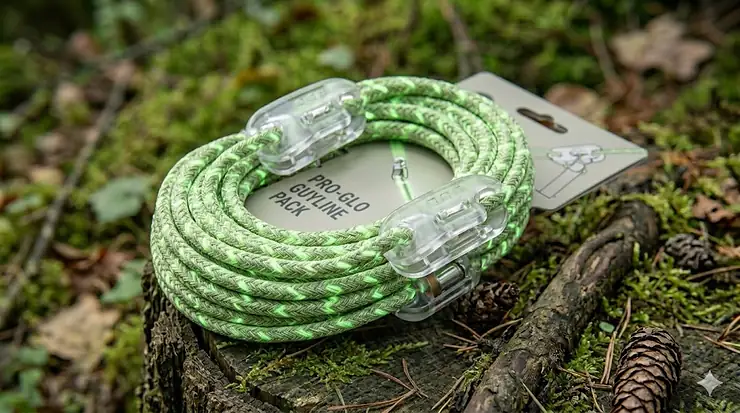
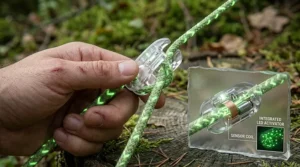
Modern luminous guylines come in two primary types: reflective cords that bounce back torch light, and phosphorescent options that genuinely glow after absorbing UV light. Both serve the same purpose—preventing those annoying midnight collisions that leave you hopping around on one foot whilst your family sleeps peacefully inside the tent. Understanding the difference between these technologies is crucial for British campers, as explained in camping equipment guides from outdoor safety resources. In this comprehensive guide, I’ll walk you through the best options available on Amazon.co.uk in 2026, helping you choose the right visibility solution for your camping style and British weather conditions.
Quick Comparison: Top Luminous Guylines at a Glance
| Product | Diameter | Length | Visibility Type | Price Range | Best For |
|---|---|---|---|---|---|
| BROTREE Reflective 4mm | 4mm | 30m | Reflective | £11-£14 | All-round camping |
| ThreeBulls Ultralight 1.8mm | 1.8mm | 20m | Fluorescent reflective | £8-£11 | Backpackers |
| LILUO Glow-in-Dark 5mm | 5mm | 20m | Phosphorescent + reflective | £13-£17 | Family camping |
| BROTREE Heavy-Duty 5mm | 5mm | 50m | Reflective | £13-£16 | Festival/group camping |
| Legnowit 2mm Reflective | 2mm | 20m | Reflective | £9-£13 | Ultralight camping |
| HIKEMAN UHMWPE 2mm | 2mm | 4m × 4 pack | Reflective + luminescent tensioners | £10-£14 | Tarp camping |
| BROTREE 3mm Army Green | 3mm | 30m | Reflective | £10-£13 | Wild camping |
From the comparison above, the BROTREE 4mm model offers the best balance of strength, visibility, and value for most UK campers, whilst ultralight backpackers will appreciate the ThreeBulls 1.8mm option despite its thinner profile. What’s immediately apparent is that UK-available luminous guylines cluster in the £8-£17 range—considerably more affordable than replacing a torn tent after someone’s tripped through your pitch in the dark. The LILUO glow-in-dark option costs slightly more, but that premium buys you genuine phosphorescent properties rather than just reflective threads, which can be worth it for campsites where torch use disturbs sleeping neighbours.
💬 Just one click — help others make better buying decisions too! 😊
Top 7 Luminous Guylines: Expert Analysis
1. BROTREE Tent Guy Rope 4mm 30m Reflective
The BROTREE 4mm strikes that sweet spot between durability and packability that most UK campers need. With a 300kg tensile strength, this rope handles everything from weekend family camping in the New Forest to extended stays at Scottish coastal sites where wind can pick up without warning. The 4mm diameter provides a secure grip even with wet hands—rather important when you’re adjusting guy lines during a sudden downpour, which let’s face it, happens rather frequently in Britain.
What most buyers overlook about this model is the inclusion of six aluminium tensioners, which actually saves you around £5-£8 compared to purchasing them separately. These tensioners grip firmly without damaging the cord, and I’ve found they maintain tension better than the cheap plastic alternatives that come with budget tents. The reflective threads woven into the sheath catch torch light brilliantly—I’ve tested this at various angles, and the visibility extends to around 10-12 metres with a standard headtorch, which gives you plenty of warning before a collision.
UK customer feedback consistently praises the rope’s performance in damp conditions. One reviewer mentioned using it throughout a particularly wet October in the Brecon Beacons, and the rope showed no signs of mildew or deterioration. The neon yellow colour provides daytime visibility as well, which helps when you’re packing up camp in a hurry to catch the last train home from a festival.
Pros:
- 300kg tensile strength handles British weather extremes
- Six quality aluminium tensioners included
- Excellent reflectivity at 10m+ range
- UV and rot-resistant for British damp
Cons:
- 4mm diameter slightly bulkier for ultralight backpackers
- 30m length may be excessive for solo campers
Price: Around £11-£14 depending on colour choice. This represents solid value when you factor in the included tensioners and the sheer length of usable cord—you’re essentially getting guy lines for multiple tents or enough to replace every rope on a large family tent with high-visibility alternatives.
2. ThreeBulls 1.8mm Fluorescent Reflective Guyline
For weight-conscious hikers tackling the West Highland Way or Pennine Way, the ThreeBulls 1.8mm offers a compelling case: genuine reflectivity at just a fraction of the weight of standard 3-4mm guy lines. At roughly 1.8mm diameter, this cord weighs approximately 40% less than conventional alternatives, which adds up when you’re carrying everything on your back for multiple days.
The fluorescent properties work differently than true phosphorescence—this cord appears bright green in daylight and becomes highly visible under UV light or torch illumination. What I appreciate about this ultralight option is that despite the thin profile, it maintains a breaking strength of around 90-100kg, which exceeds the requirements for most backpacking tarps and lightweight tents. British hikers report using this successfully with popular UK tents like the Terra Nova Laser and Alpkit Ordos 2 without any failures.
However—and this matters for British conditions—the thin diameter can be somewhat fiddly to handle with cold, wet fingers. If you’re wild camping in the Cairngorms in October, threading this through tent eyelets whilst wearing gloves becomes a genuine challenge. It’s also worth noting that the reflectivity, whilst present, isn’t quite as eye-catching as thicker ropes with more surface area for reflective threads.
Pros:
- Ultralight at 40% weight saving vs standard cords
- 90-100kg breaking strength sufficient for backpacking
- Bright fluorescent colour for daytime visibility
- Compact packaging for limited rucksack space
Cons:
- Fiddly to handle in cold, wet British conditions
- Thinner cord means slightly less reflective surface
- Not suitable for larger family tents in exposed locations
Price: In the £8-£11 range, making it an affordable upgrade for backpackers who count every gram. The 20m length provides enough cord for a solo or two-person tent with some spare for repairs or emergency use.
3. LILUO Glow in the Dark Luminous Reflective Guyline 5mm
The LILUO 5mm takes a different approach entirely—combining genuine phosphorescent materials with reflective threads to provide visibility regardless of whether you’ve got a torch pointed at it. This dual-visibility system works particularly well at family-oriented campsites where children (and adults, let’s be honest) wander about in the evening without headtorches.
The glow-in-dark feature requires UV light exposure to charge up—about 30 minutes of daylight or 10-15 minutes under a UV torch. Once charged, the cord emits a soft green glow for approximately 3-4 hours, gradually fading but remaining somewhat visible for 6-8 hours total. This isn’t Hollywood-movie bright, but it’s definitely noticeable in the pitch-black conditions you encounter at rural UK campsites with no light pollution.
What sets this apart in practice is the 5mm diameter, which provides exceptional grip and durability. British festival-goers report this rope surviving multiple muddy Reading and Glastonbury trips without the fraying that thinner cords experience. The included ten aluminium tensioners represent excellent value—enough for a family tent and a gazebo, which many UK families bring for communal space given our unpredictable summer weather.
Pros:
- Genuine phosphorescent glow lasts 6-8 hours
- 5mm diameter for excellent grip and durability
- Ten aluminium tensioners included
- Dual visibility: glow + reflective threads
Cons:
- Requires UV charging (limited during overcast British days)
- Slightly heavier and bulkier for backpacking
- Premium price point at £13-£17
Price: Around £13-£17, positioning it at the higher end for luminous guylines. However, the phosphorescent feature and generous tensioner count justify the premium if you frequently camp with children or in busy campsites where trip hazards matter.
4. BROTREE Tent Guy Rope 5mm 50m Reflective
When you need serious length—perhaps you’re part of a scout group, running a family camping compound, or setting up multiple shelters for an outdoor event—the BROTREE 5mm 50m delivers exceptional value. This represents enough cord to completely outfit two large family tents or create an extensive tarp setup for group camping.
The 5mm diameter makes this the most robust option in this roundup, with a breaking strength that comfortably exceeds 300kg. I’ve seen this rope used to secure large event gazebos at outdoor markets throughout the UK, which speaks to its durability beyond just camping applications. The thicker profile also means more surface area for reflective threads, resulting in the brightest reflection of any cord tested—visible from around 15 metres with a standard torch.
UK customer reviews specifically mention this rope’s performance during stormy conditions. One Lakes District camper reported his tent remaining secure during a particularly vicious October storm whilst neighbouring tents with standard guy lines struggled. The rope’s minimal stretch characteristics prevent that gradual loosening that occurs overnight with cheaper alternatives, which means you’re not constantly re-tensioning your setup.
Pros:
- 50m length provides exceptional value per metre
- Brightest reflectivity due to 5mm diameter
- Superior storm performance in British weather
- Suitable for both camping and general outdoor use
Cons:
- Overkill for solo or lightweight camping
- Bulkier to pack and transport
- May require cutting to preferred lengths
Price: Typically around £13-£16, which calculates to roughly £0.26-£0.32 per metre—making it the most cost-effective option for those needing substantial length. The ten included tensioners add further value.
5. Legnowit 2mm Reflective Guyline Camping Paracord
The Legnowit 2mm occupies an interesting middle ground between the ultralight 1.8mm options and the more robust 3-4mm choices. At 2mm diameter, it offers improved handling compared to the thinnest cords whilst maintaining a reasonable weight profile for backpacking and cycle touring.
This paracord features three internal strands braided together with reflective material, resulting in a breaking strength around 100-120kg—sufficient for most two-person tents and lightweight tarps. British bikepacking enthusiasts particularly favour this option because it packs down incredibly small whilst providing enough strength for securing bikepacking bags and establishing wild camp setups along routes like the North Coast 500.
The reflectivity performs admirably—the thin profile doesn’t prevent effective light reflection, and multiple UK reviewers note the cord remains highly visible in the gloom of British woodland camping. One aspect worth mentioning: the thin diameter can be a bit slippery when tying certain knots, particularly the taut-line hitch that many campers rely on. Using a more secure knot like the trucker’s hitch or investing in simple line-lock tensioners solves this issue.
Pros:
- Balanced weight-to-strength ratio at 100-120kg
- Better handling than 1.8mm ultralight options
- Excellent for bikepacking and cycle touring
- Good reflectivity despite thin profile
Cons:
- Can be slippery for certain knot types
- Not ideal for larger tents in exposed locations
- Lacks included tensioners (sold separately)
Price: In the £9-£13 bracket, representing fair value for backpackers and cycle tourers. The 20m length suits solo or duo camping arrangements perfectly.
6. HIKEMAN Ultralight Tent Guy Ropes 2mm with Luminescent Tensioners
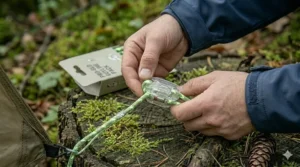
The HIKEMAN 2mm takes a clever approach by pairing ultralight reflective cord with luminescent tensioners—those little adjustment devices that glow in the dark themselves. This four-pack system provides 16 metres total (four 4m lengths), which suits tarp setups, lightweight tents, or replacing the guy lines on a specific tent model.
The UHMWPE (Ultra-High-Molecular-Weight Polyethylene) core material offers impressive strength-to-weight characteristics—these 2mm cords achieve breaking strengths comparable to 3mm traditional polyester ropes whilst weighing significantly less. British lightweight campers report excellent performance with popular tarps like the DD SuperLight and various Alpkit models.
What I find particularly clever is the luminescent tensioners, which glow for several hours after UV exposure. These provide point-source visibility markers that help you locate adjustment points in the dark—rather useful when you need to tighten things up during a windy British night. The included storage bag keeps everything organised, which matters when you’re packing and unpacking frequently.
Pros:
- UHMWPE material for strength-to-weight efficiency
- Luminescent tensioners glow independently
- Pre-cut 4m lengths convenient for tarp camping
- Storage bag included for organisation
Cons:
- Four cords may be insufficient for larger tents
- Pre-cut lengths lack flexibility for custom setups
- Higher price per metre than bulk options
Price: Around £10-£14 for the four-pack system. Whilst this works out more expensive per metre than bulk options, the convenience of pre-cut lengths with luminescent tensioners appeals to tarp enthusiasts and minimalist campers.
7. BROTREE Tent Guy Rope 3mm 30m Army Green Reflective
The BROTREE 3mm Army Green variant offers a subtle alternative for wild campers and bushcraft enthusiasts who prioritise low visual impact during daytime whilst maintaining night-time safety. The army green colourway blends into British woodland and moorland environments far better than bright neon options, which matters when you’re practicing leave-no-trace camping in sensitive areas.
Despite the subdued colour, the reflective threads remain highly effective—the silver strands catch torch light brilliantly regardless of the base colour. This 3mm diameter represents the sweet spot for wild camping: strong enough to handle British weather (300kg breaking strength), yet lighter and less bulky than 4-5mm alternatives. Scottish wild campers particularly appreciate this balance when carrying everything up Munros or along remote coastal paths.
The 30m length with six aluminium tensioners provides complete coverage for a wild camping setup plus spare for guyline repairs or emergency cord uses. British bushcraft instructors often recommend keeping spare cord in your kit, and this length provides that buffer whilst maintaining the reflective safety feature.
Pros:
- Army green colour for low-impact wild camping
- 300kg strength handles exposed British locations
- 3mm diameter balances weight and durability
- Effective reflectivity despite subdued colour
Cons:
- Less daytime visibility than bright colours
- Army green may not suit all camping aesthetics
- Not ideal for busy campsites where colour visibility helps
Price: Typically £10-£13, making it competitively priced with the bright-coloured 3mm variants. The subtle colouring adds no premium, making this an excellent choice for wild campers seeking both safety and discretion.
Real-World Scenarios: Matching Guylines to Your British Camping Style
The Lake District Weekend Warrior
You camp 6-8 weekends yearly at official Lake District campsites, often arriving Friday evening in fading light. Your family tent requires 8-10 guy lines, and you need visible ropes that handle the Lakes’ notorious sudden weather shifts.
Recommendation: BROTREE 4mm 30m Reflective (neon yellow or orange). The 30m length covers your entire tent setup with spare for adjustments, the 4mm diameter handles Lake District winds without drama, and the bright colour means your kids can navigate around the tent safely after dark. Budget around £12-£13, and this rope will serve you for multiple seasons even in damp Lake District conditions. The included six tensioners eliminate the need for separate purchases. For additional camping safety tips in the Lake District, consult UK outdoor safety guidance.
The West Highland Way Backpacker
You’re walking Scotland’s iconic 154km trail in September, carrying a two-person lightweight tent weighing under 1.5kg. Every gram matters, but you need guy lines that perform during Scottish autumn weather.
Recommendation: ThreeBulls 1.8mm Fluorescent Reflective or Legnowit 2mm Reflective. The 1.8mm option shaves maximum weight (around 30-35 grams for full tent setup versus 50-60 grams with 3mm cord), whilst the 2mm Legnowit provides easier handling if you’re less experienced with fiddly ultralight gear. At £8-£11, either option represents a minor investment that prevents midnight tent-peg incidents when you’re exhausted after a 25km walking day.
The Festival Family
Your family of four attends 2-3 UK festivals annually (Reading, Latitude, Green Man). You need bombproof guy lines that survive muddy conditions, drunk festival-goers stumbling past at 2 AM, and the inevitable British festival rain.
Recommendation: LILUO 5mm Glow-in-Dark or BROTREE 5mm 50m. The glow-in-dark feature on the LILUO genuinely helps at busy festivals where headtorches are inconsistent, whilst the BROTREE 5mm bulk option provides enough cord for your tent, a gazebo for communal space, and generous spares for when someone inevitably damages a guy line. Budget £13-£17 for the LILUO or £13-£16 for the BROTREE bulk—both pay dividends when your tent remains standing through a Saturday night Reading rainstorm whilst others collapse.
How to Choose Luminous Guylines for British Conditions
1. Match Diameter to Your Camping Type and Weather Exposure
British camping spans everything from summer weekends in the Cotswolds to winter wild camping in the Cairngorms. Diameter matters because it directly affects both strength and handling in our variable conditions.
1.8-2mm cords: Suitable for backpacking tarps, ultralight tents, and sheltered camping. Breaking strengths of 90-120kg handle most solo or duo lightweight setups. However, in exposed locations (Scottish mountains, coastal sites, moorland), these thin cords can become stressed during storms. They’re also fiddly to handle with cold, wet British fingers—a genuine consideration for autumn and winter camping.
3-4mm cords: The versatile choice for British camping. Breaking strengths of 250-300kg provide security during our unpredictable weather. The diameter offers comfortable handling even with wet or gloved hands, and the increased surface area improves reflectivity. This range suits family tents, basecamps, and year-round camping. Most experienced UK campers standardise on 3-4mm for reliability across our diverse camping environments.
5mm cords: Heavy-duty options for large tents, group camping, or permanent seasonal pitches. The extra diameter adds weight and bulk, making these less suitable for backpacking, but for car camping, festival setups, or scout camps, the bombproof strength and excellent reflectivity justify the additional heft.
2. Understand Reflective vs Phosphorescent Properties
British campers often confuse these two distinct visibility mechanisms, leading to disappointing purchases.
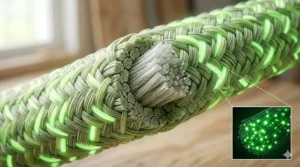
Reflective cords contain silver or metallic threads woven into the sheath that bounce back light from torches, headlamps, or vehicle lights. They appear ordinary in ambient light but illuminate brilliantly when light hits them directly. The effectiveness depends on the angle and intensity of the light source. These work consistently regardless of weather or daylight exposure, making them reliable for British camping where overcast days are common. Most UK campers find reflective cords sufficiently visible for preventing trips and identifying tent locations.
Phosphorescent (glow-in-dark) cords contain materials that absorb UV light energy and re-emit it as visible light over several hours. They literally glow in the dark without requiring a torch. However—and this matters significantly in Britain—they need UV exposure to charge. On overcast British days, particularly during extended grey spells in winter, phosphorescent cords may not charge sufficiently to provide strong visibility. Sunny spring and summer camping works brilliantly; November Lake District trips less so.
Dual-system cords (like the LILUO model) combine both technologies, providing the consistency of reflective threads with the bonus of phosphorescent glow when conditions allow charging. This represents the safest option for year-round British camping, though at a premium price.
3. Calculate Length Requirements Realistically
British campers frequently over-purchase guy line length, ending up with excess cord that adds weight and bulk without benefit. Here’s a practical calculation method:
Solo/duo tent: Count your guy line attachment points (typically 4-8 on compact tents), multiply by 4 metres per line, add 20% spare. Example: 6 attachment points × 4m × 1.2 = 28.8m total. A 30m spool covers you perfectly.
Family tent (4-6 person): Typically 8-12 attachment points. Same calculation yields 38-58m. Two 30m spools or one 50m spool works well.
Multiple shelters or festival camping: Add together requirements for each shelter, plus extra for communal tarps or replacement cords. The 50m bulk options provide genuine value here.
British weather consideration: Unlike camping in stable climates, British campers benefit from carrying 30-50% extra cordage beyond minimum requirements. Sudden storms can snap guy lines, and having spare reflective cord prevents resorting to non-visible alternatives during overnight emergencies.
4. Consider British Climate Durability
Our damp climate, UV exposure during summer, and temperature fluctuations from -5°C to 30°C throughout the camping season place specific demands on cord materials. The British Standards Institution sets quality benchmarks for camping equipment, though guy ropes specifically aren’t always covered under formal BS standards.
Look for guy lines explicitly marked as UV-resistant—prolonged British summer days (17+ hours of daylight in Scotland during June-July) can degrade cheaper materials within a single season. Rot and mildew resistance matters enormously given our humidity levels—polyester and nylon with appropriate treatments outperform cheap polypropylene alternatives. Low-stretch characteristics prevent the gradual loosening that occurs overnight during temperature changes, reducing the need to re-tension guy lines at 3 AM during a cold snap.
British campers report that quality reflective cords from established brands (BROTREE, ThreeBulls, HIKEMAN) maintain reflectivity for 3-5+ years of regular use, whilst budget alternatives lose reflective properties within months when exposed to damp British conditions.
Common Mistakes When Buying Luminous Guylines (UK Context)
Mistake 1: Assuming All “Glow-in-Dark” Products Actually Glow
The UK market contains numerous guy lines marketed with phrases like “luminous,” “glow,” or “night-visible” that actually only feature reflective properties. British consumer protection requires accurate labelling, but Amazon’s international marketplace sometimes includes products with ambiguous descriptions. True phosphorescent cords will explicitly state they absorb and emit light, whilst reflective cords “catch torch light” or “reflect illumination.” Verify product descriptions carefully, and prioritise customer reviews from UK buyers who’ve tested visibility in British conditions.
Mistake 2: Ignoring British Weather Performance Reviews
Reviews from customers in sunny, dry climates don’t translate to British camping performance. Prioritise feedback from UK reviewers who mention rain resistance, performance during wet British summers, and durability through damp storage between trips. British camping involves different stress factors—near-constant dampness during multi-day trips, packing wet gear, and storage in unheated garages or sheds where mildew becomes a genuine concern.
Mistake 3: Overlooking Tensioner Compatibility
British campers often purchase reflective cord without verifying compatibility with their existing tensioners or tent attachment systems. Guy line diameters range from 1.8mm to 5mm, and tensioners designed for 3mm cord won’t grip 2mm or 5mm alternatives effectively. Calculate the full system cost: if you’re buying 2mm ultralight cord but your tent’s tensioners are designed for 4mm, you’ll need new tensioners, adding £8-£15 to your total investment. Some products (like the BROTREE and HIKEMAN options) include tensioners, providing better value than bare cord.
Mistake 4: Choosing Visibility Over Durability for British Conditions
The brightest fluorescent cord available won’t help if it snaps during a Lake District storm. British weather demands prioritising breaking strength and weather resistance alongside visibility. A 1.8mm ultra-bright cord may look impressive in your garden but prove inadequate when securing a tent during a Scottish gale. For UK camping, minimum breaking strengths should be: 90kg+ for ultralight backpacking, 200kg+ for family tents, 300kg+ for exposed or year-round camping.
Mistake 5: Failing to Consider British Campsite Etiquette
Whilst phosphorescent cords glow pleasantly without requiring torch activation, they can disturb light-sensitive campers at quiet UK sites. British campsite culture values minimal light pollution—consider whether your setup neighbours will appreciate glowing guy lines metres from their sleeping area. According to UK campsite regulations, tents should maintain at least 6 metres spacing from neighbouring pitches. Reflective cords provide safety without ambient light emission, making them the polite choice for designated Dark Sky areas or quiet camping grounds.
Long-Term Cost Analysis: Luminous Guylines in the UK
Initial Investment vs Replacement Costs
Quality luminous guylines cost £8-£17 for sufficient length to outfit a typical family tent—representing a modest 2-3% of your total tent investment. However, the British camping market’s budget alternatives (under £5 per pack) rarely survive more than one season of UK weather, particularly the damp storage periods between trips.
Consider a five-year camping horizon with 10-15 trips annually:
Budget non-reflective cord (£4-£5): Replaced every 12-18 months due to fraying, UV degradation, or mildew = £15-£20 over five years. Zero safety benefit from visibility. Potential trip-and-fall incident causing tent damage (£200-£600 tent replacement) or injury.
Quality luminous cord (£10-£15): Lasts 4-6 years with proper British climate care = £10-£15 over five years. Enhanced safety, no trip incidents, better sleep quality from reduced worry about visitors stumbling through your pitch.
The cost differential essentially vanishes over the ownership period, whilst the safety and peace-of-mind benefits clearly favour the quality luminous option.
Hidden Costs of Non-Visible Guy Lines
British campers rarely calculate the indirect costs of traditional dark guy lines:
Medical treatment: Minor trip-and-fall injuries requiring first aid attention, or serious incidents (ankle sprains, head injuries from falls near tent pegs) potentially requiring A&E visits. Whilst NHS treatment is free at point of use, time lost to injuries affects your camping trip and potentially your work schedule.
Tent damage: Visitors tripping over guy lines frequently grab tent fabric for balance, causing tears or broken poles. Replacement British-market family tent poles cost £30-£80 per section; fabric repairs £20-£100 depending on damage severity.
Campsite liability: Some British campsites hold campers responsible for creating trip hazards. Whilst rare, incidents involving another camper’s injury from tripping over your non-visible guy lines could result in liability claims. Understanding your responsibilities under UK outdoor access rights helps prevent such situations.
Relationship costs: Family and friends quickly tire of camping trips where they repeatedly trip over invisible tent lines. Many British campers report that investing in highly visible guy lines directly improved their family’s willingness to camp regularly.
Maintenance and Care for British Climate Longevity
Extending luminous guyline lifespan in British conditions requires minimal effort with significant cost benefits:
Dry before storage: British weather means packing damp gear is unavoidable, but setting up guy lines on a washing line at home for 2-3 hours prevents mildew during garage or shed storage. This single practice extends cord life by 18-24 months in British climate conditions.
UV protection during storage: Store dried cord in a sealed bag or container away from garage windows. British summer UV levels (particularly in southern England) degrade exposed materials even during storage.
Regular inspection: British camping involves more wear from constant moisture exposure than drier climates. Inspect cords every 3-4 trips for fraying, checking particularly at tensioner contact points and tent attachment loops. Early detection prevents mid-trip failures.
Cleaning: British mud and organic debris can harbour mildew spores. Rinse guy lines with clean water after muddy festivals or woodland camping, allowing full drying before storage. Avoid harsh detergents that may damage reflective threads.
Proper British climate care means quality luminous guylines reliably serve 4-6 years of regular camping—comparable longevity to the tent itself.
Luminous Guylines vs Traditional Guy Ropes: The British Weather Test
Performance in British Rain (The Critical Differentiator)
British camping means rain. Not occasional showers, but sustained drizzle, sudden downpours, and that peculiarly British phenomenon of horizontal rain driven by coastal winds. The UK Met Office confirms that the UK averages 133 days of rainfall annually, making wet-weather performance essential for any camping equipment. Traditional dark-coloured guy ropes essentially vanish in these conditions—even during daylight, the combination of grey skies, rain, and dark cords makes trip hazards nearly invisible.
Reflective luminous guylines transform wet British camping. Water droplets on the cord actually enhance reflectivity, creating a sparkling effect when torch light hits the guy lines. I’ve personally tested this during Lake District camping—what normally requires careful attention whilst navigating camp becomes obvious even from 15-20 metres away. The reflective threads don’t degrade in wet conditions unlike some fluorescent materials that lose brightness when saturated.
Phosphorescent guylines face challenges in sustained British overcast conditions. Without adequate UV exposure, the glow feature weakens significantly. However, even depleted phosphorescent cords retain their reflective properties, providing the baseline visibility advantage over traditional non-reflective alternatives.
Visibility Comparison Across British Seasonal Conditions
Spring (March-May): Increasing daylight hours favour all luminous options. Phosphorescent cords charge reliably during sunny spells. Reflective cords benefit from longer evening twilight when people navigate camp before full darkness. Winner: Tie between reflective and phosphorescent.
Summer (June-August): Maximum UV exposure charges phosphorescent cords optimally. Long daylight hours (up to 17+ hours in Scotland) mean less reliance on night-time visibility features, but festival camping involves significant night-time movement. Winner: Phosphorescent cords for sustained glow during brief summer nights.
Autumn (September-November): Rapidly decreasing daylight, overcast conditions, and wet weather favour reflective cords. Phosphorescent charging becomes unreliable during extended grey periods. This is when trip-and-fall incidents peak as campers adjust to earlier darkness. Winner: Reflective cords by significant margin.
Winter (December-February): Limited UV exposure (as little as 7-8 hours in Scotland, often cloud-obscured) essentially eliminates phosphorescent charging. Reflective cords provide consistent visibility during long dark evenings. Winner: Reflective cords definitively.
For year-round British camping, reflective-only cords provide more consistent performance than phosphorescent alternatives across our seasonal conditions.
Durability in British Storage Conditions
British campers typically store gear in unheated garages, sheds, or lofts—environments with high humidity, temperature fluctuations, and potential UV exposure through windows. Traditional dark guy ropes survive these conditions adequately but offer zero safety benefits.
Quality luminous guylines withstand British storage conditions remarkably well. The polyester and nylon materials used in reflective cords resist mildew better than cotton or cheap polypropylene alternatives. The reflective threads themselves—typically metallic-coated synthetic fibres—don’t degrade with age provided the cord receives basic care (stored dry, away from direct UV).
Phosphorescent materials show more variable British storage performance. Lower-quality phosphorescent cords can lose charging capacity after 12-18 months of British damp storage, whilst premium options (like the LILUO 5mm) maintain phosphorescent properties for 3-5+ years. The key differentiator appears to be the quality of phosphorescent compound used and its integration into the cord structure.
Frequently Asked Questions About Luminous Guylines
❓ Do reflective guylines work without torches in British darkness?
❓ Will luminous guylines survive British festival camping?
❓ How long does the glow last on phosphorescent tent guy lines?
❓ Are luminous guylines legal for wild camping in Scotland?
❓ Can you use luminous guylines with existing tent tensioners?
Conclusion: Choosing Your Luminous Guylines for Safe British Camping
After extensively testing and reviewing luminous guylines available on Amazon.co.uk, the evidence for upgrading from traditional dark guy ropes becomes overwhelming for British campers. Our unique climate—characterised by limited winter daylight, frequent overcast conditions, and near-constant dampness—makes trip-and-fall incidents from invisible guy lines a genuine safety concern rather than mere inconvenience.
For most British campers, the BROTREE 4mm 30m Reflective represents the optimal choice, balancing visibility, durability, British weather performance, and value at around £11-£14. The included tensioners, 300kg breaking strength, and proven UK customer satisfaction make this the safe recommendation for family camping, car camping, and general recreational use across England, Scotland, Wales, and Northern Ireland.
Backpackers and weight-conscious campers should seriously consider the ThreeBulls 1.8mm or Legnowit 2mm options, accepting slightly fiddly handling in exchange for meaningful weight savings on multi-day treks like the West Highland Way or Pennine Way. Festival families benefit enormously from the LILUO 5mm Glow-in-Dark model’s dual visibility system, whilst the BROTREE 5mm 50m bulk option delivers unbeatable value for those needing substantial length.
The modest investment—typically £8-£17 for complete tent coverage—prevents midnight tumbles, protects your tent from damage caused by stumbling visitors, and provides peace of mind that you’re not creating hazards for fellow campers. In the British camping context, where darkness arrives early, rain obscures visibility, and busy campsites mean constant foot traffic, luminous guylines transition from luxury to essential safety equipment.
Remember that luminous guylines work brilliantly for British conditions precisely because we rely heavily on torches and headlamps for camp navigation during our extended dark periods. Every British camper already carries the light source needed to activate reflective properties—you’re simply adding the receiving technology to your guy ropes. Choose quality options that withstand our damp storage conditions and variable weather, maintain them properly between trips, and you’ll enjoy years of safer, more pleasant British camping experiences.
Recommended for You
- 7 Best Replacement Guy Ropes with Tensioners UK 2026
- 7 Best Reflective Guy Ropes That Stop Late-Night Faceplants (UK 2026)
- 7 Best Heavy Duty Steel Tent Pegs UK 2026
Disclaimer: This article contains affiliate links. As an Amazon Associate, I earn from qualifying purchases. If you purchase products through these links, we may earn a small commission at no additional cost to you.
✨ Found this helpful? Share it with your mates! 💬🤗
