
In This Article
Picture this: you’re sat beneath canvas with a cuppa in hand whilst the kids play card games and rain patters gently overhead. That’s the magic of family camping done right, and it all starts with choosing the proper tent. Whether you’re planning weekend jaunts to Snowdonia or fortnight holidays at Cornish campsites, selecting the right family tent can make or break your outdoor adventures.
I’ve spent the past decade testing tents across Britain’s most challenging weather conditions—from Scottish Highland downpours to blustery Welsh coastlines. Through countless pitches and pack-downs, I’ve learnt that a brilliant family tent buying guide doesn’t just list specifications; it helps you understand exactly what your family needs. The British camping market offers hundreds of options, from budget-friendly dome tents to premium inflatable models, and navigating this landscape can feel overwhelming.
This comprehensive guide cuts through the marketing fluff to deliver honest, practical advice. We’ll explore everything from waterproof ratings and tent berth sizing to pole materials and ventilation systems. You’ll discover seven exceptional tents currently available on Amazon.co.uk, each tested in real-world conditions. Whether you’re a camping novice or upgrading your existing kit, you’ll finish reading with the confidence to choose a tent that’ll serve your family brilliantly for years to come.
Quick Comparison Table
| Model | Capacity | HH Rating | Weight | Price Range | Best For |
|---|---|---|---|---|---|
| Coleman Meadowood 6L BlackOut | 6 person | 4,000mm | 25.8kg | £479-£700 | Premium space & darkness |
| Vango Purbeck 600XL | 6 person | 3,000mm | 22.5kg | £330-£375 | Budget-conscious families |
| Berghaus Air 600XL Nightfall | 6 person | 6,000mm | 38.5kg | £800-£1,200 | Ultimate weather protection |
| Quechua MH100 Fresh & Black | 3 person | 2,000mm | 6.8kg | £85-£120 | Small families & festivals |
| Vango Sherwood Air 400XL | 4 person | 5,000mm | 28.3kg | £650-£850 | Premium mid-size option |
| Coleman Valdes 6L | 6 person | 3,000mm | 24.2kg | £420-£580 | Excellent airflow management |
| Kampa Hayling 4 TC | 4 person | 4,500mm | 32.0kg | £599-£799 | Polycotton breathability |
💬 Just one click – help others make better buying decisions too!😊
Top 7 Family Tents: Expert Analysis
1. Coleman Meadowood 6L BlackOut Tent
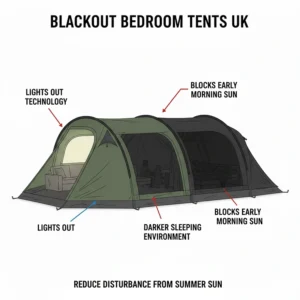
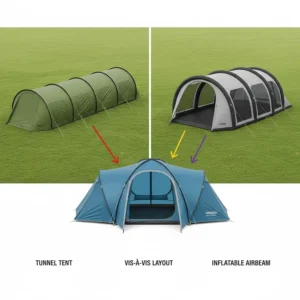
The Coleman Meadowood 6L stands as one of Britain’s most popular family tents for excellent reason. This tunnel-style shelter spans an impressive 6.25 metres long by 4.1 metres wide, creating what can only be described as aircraft hangar-like internal space. The revolutionary BlackOut bedroom technology blocks 99% of daylight whilst maintaining temperatures up to 5°C cooler during sunny days and 1°C warmer at night—an absolute game-changer for families with young children who wake at dawn.
Coleman’s engineering shines through in practical details. The 4,000mm hydrostatic head rating exceeds UK minimum standards by over 150%, whilst fully taped seams and sewn-in groundsheet create a watertight sanctuary. The generous front canopy provides sheltered storage for muddy boots and outdoor gear, and multiple entrances mean nobody needs climb over sleeping family members for midnight toilet trips. UK buyers consistently praise its performance during Lake District deluges and Welsh weekend downpours.
Key Specifications: Tunnel design, 6-person capacity, fibreglass poles, 625 × 410cm footprint, 210cm peak height
Price Range: £479-£700
Customer Feedback: British families love the spacious living area and genuine blackout performance, though some note the fibreglass poles feel slightly flimsy compared to premium alternatives.
✅ Exceptional 4,000mm waterproof rating
✅ Revolutionary BlackOut bedroom technology
✅ Massive living space perfect for families
❌ Fibreglass poles less robust than steel
❌ 25.8kg weight requires two people for setup
2. Vango Purbeck 600XL Family Tent
Vango’s Purbeck 600XL represents outstanding value for budget-conscious families seeking reliable performance. This Amazon exclusive features Vango’s proven Sentinel Active fabric with 3,000mm waterproof protection—more than adequate for typical UK camping conditions. The patented TBS II (Tension Band System) ensures stability during changeable winds, a feature that’s saved countless camping trips when weather turns unexpectedly nasty.
What sets the Purbeck apart is its thoughtful layout. Three separate sleeping compartments offer genuine privacy, whilst the double living area provides flexibility for dining and relaxing. The enclosed porch area keeps outdoor gear organised and dry. Climate control windows with mesh panels allow ventilation adjustment without compromising weather protection. At around £330-£375, this tent delivers performance that punches well above its weight class.
Key Specifications: Tunnel design, 6-person capacity, Powerflex fibreglass poles, lights-out inner, queen-size bedrooms
Price Range: £330-£375
Customer Feedback: UK buyers appreciate the excellent value and TBS system performance, though some mention the pack size feels bulky compared to pricier inflatable alternatives.
✅ Outstanding value for money
✅ Proven TBS II stability system
✅ Three separate bedrooms for privacy
❌ 3,000mm HH adequate but not exceptional
❌ Fibreglass poles throughout
3. Berghaus Air 600XL Nightfall
For families demanding absolute confidence in challenging conditions, the Berghaus Air 600XL delivers premium performance worth every penny. This inflatable powerhouse boasts a phenomenal 6,000mm hydrostatic head—twice the rating of many competitors. Scottish Highland campers report staying completely dry through three-day deluges, testament to Berghaus’s uncompromising approach to waterproofing.
The AirBeam inflation system transforms setup from a patience-testing ordeal into a 15-minute breeze. Whilst the 38.5kg weight requires two people and a sturdy car boot, the wheeled carry bag makes transportation manageable. Nightfall bedroom technology creates genuinely luxurious sleeping conditions, blocking morning sun for proper lie-ins. Ventilation points, privacy curtains, and thoughtful details throughout justify the premium price tag for serious camping families.
Key Specifications: Inflatable AirBeam structure, 6-person capacity, 6,000mm HH rating, Nightfall bedrooms, wheeled bag included
Price Range: £800-£1,200
Customer Feedback: One Scottish reviewer shared: “Worth every penny. The 6,000mm rating isn’t marketing fluff—we had three days of Highland rain and stayed completely dry. The space feels genuinely luxurious.”
✅ Exceptional 6,000mm waterproof rating
✅ Superior Nightfall bedroom technology
✅ Quick 15-minute AirBeam setup
❌ Premium £800+ price point
❌ Heavy 38.5kg weight limits portability
4. Quechua MH100 Fresh & Black Tent
Don’t let the budget-friendly price fool you—Decathlon’s Quechua MH100 punches dramatically above its £85-£120 price bracket. This compact 3-person tent incorporates Fresh & Black technology that reflects sunlight whilst blocking 99% of daylight, keeping interiors noticeably cooler than conventional designs. The free-standing dome structure means you can reposition it after initial pitch, brilliant for finding that perfect campsite spot.
Decathlon validates every Quechua tent in wind tunnels, and the MH100 withstands properly pitched winds up to 25mph (Force 5). The 2,000mm flysheet and 5,000mm groundsheet provide adequate protection for British summer camping, though I’d recommend a tarp for prolonged heavy rain. Setup takes under 10 minutes solo, making this ideal for festival-goers, small families, or those testing camping before committing to premium gear.
Key Specifications: Dome design, 3-person capacity, 197 × 210cm footprint, Fresh & Black technology, 2,000mm flysheet
Price Range: £85-£120
Customer Feedback: British buyers consistently praise the incredible value and easy setup, with one reviewer noting: “Very easy to set up and good quality for the money. Would recommend!”
✅ Outstanding £85-£120 value
✅ Fresh & Black cooling technology
✅ Quick solo setup under 10 minutes
❌ Only suitable for 2 adults + 1 child realistically
❌ 2,000mm HH adequate but not exceptional
5. Vango Sherwood Air 400XL
Vango’s Sherwood Air 400XL represents their premium tier, featuring Sentinel E fabric with an impressive 5,000mm waterproof rating. This 4-person inflatable tent balances quality and manageability brilliantly. The AirBeam structure sets up in approximately 12 minutes using the included pump—slightly longer than some competitors, but the robust feel justifies the extra moments.
ColourLok technology protects fabric appearance against UV exposure, ensuring your tent looks pristine season after season. The generous 205cm internal height allows most adults to stand upright throughout the living area, eliminating that perpetual camping stoop. Peak District reviewers particularly value this feature. UK campers appreciate the thoughtful details: ample ventilation, reinforced stress points, and intelligent storage solutions throughout.
Key Specifications: Inflatable AirBeam structure, 4-person capacity, 5,000mm HH Sentinel E fabric, 205cm peak height, ColourLok UV protection
Price Range: £650-£850
Customer Feedback: One Peak District camper commented: “Finally, a tent where I don’t have to perpetually stoop. The 205cm height makes such a difference.”
✅ Premium 5,000mm waterproof rating
✅ Full standing height throughout
✅ ColourLok UV protection technology
❌ £650+ premium pricing
❌ 12-minute setup slower than some alternatives
6. Coleman Valdes 6L Tent
The Coleman Valdes 6L earns particular praise for airflow management—crucial in Britain’s humid climate where condensation plagues poorly ventilated tents. Strategic ventilation points combined with Coleman’s proven WeatherTec system create an interior that stays remarkably dry even during overnight temperature drops. UK reviewers consistently rate this among the best-ventilated family tents available.
BlackOut bedroom compartments provide the same darkness technology found in the pricier Meadowood, whilst the spacious layout accommodates six people without feeling cramped. The 3,000mm hydrostatic head handles typical British summer weather confidently, though Scottish Highlands adventurers might prefer higher ratings. At £420-£580, this represents solid mid-range value for families prioritising ventilation and space.
Key Specifications: Tunnel design, 6-person capacity, 3,000mm HH rating, BlackOut bedrooms, superior ventilation system
Price Range: £420-£580
Customer Feedback: British families appreciate the excellent condensation management, with minimal morning dampness compared to budget alternatives.
✅ Exceptional airflow prevents condensation
✅ BlackOut bedroom technology
✅ Spacious 6-person layout
❌ 3,000mm HH adequate not exceptional
❌ Slightly heavier than some competitors
7. Kampa Hayling 4 TC Tent
For families seeking that premium polycotton experience, the Kampa Hayling 4 TC delivers breathable comfort that synthetic tents simply cannot match. The technical cotton blend with Weathershield protective layer provides superior condensation management whilst maintaining excellent 4,500mm waterproofing. This understated design in greys, creams, and blacks looks effortlessly sophisticated on any campsite.
Polycotton’s natural breathability creates noticeably more comfortable interiors during warm spells, whilst superior insulation keeps you warmer during cooler evenings. The 32kg weight reflects robust construction rather than poor design—this tent’s built to last decades with proper care. British buyers particularly appreciate Kampa’s UK-based customer service and readily available spare parts.
Key Specifications: Inflatable design, 4-person capacity, Technical Cotton construction, 4,500mm Weathershield protection, understated colour scheme
Price Range: £599-£799
Customer Feedback: Long-term owners praise the superior comfort and durability, noting the tent improves with age as the polycotton weathers in.
✅ Superior polycotton breathability
✅ Excellent 4,500mm waterproofing
✅ UK-based customer service
❌ Premium £599+ price point
❌ Heavier 32kg weight
✨ Don’t Miss These Exclusive Deals!
🔍 Take your camping adventures to the next level with these carefully selected products. Click on any highlighted item to check current pricing and availability on Amazon.co.uk. These tents will help you create authentic outdoor memories your family will treasure forever!
Understanding Tent Hydrostatic Head Meaning
When researching tents, you’ll constantly encounter “hydrostatic head” (HH) ratings followed by mysterious numbers like “3,000mm” or “5,000mm.” This measurement fundamentally determines whether you’ll stay dry or spend miserable nights mopping puddles, so understanding it proves essential for any family tent buying guide.
What Does Hydrostatic Head Actually Measure?
Hydrostatic head testing involves clamping tent fabric beneath a sealed tube, then slowly filling that tube with water. The measurement records how tall the water column grows before droplets penetrate the fabric. A rating of 3,000mm means the fabric withstood a 3-metre water column before leaking—far more pressure than natural rainfall creates, but wind-driven rain against taut fabric generates surprising force.
According to the UK Ministry of Defence, any fabric exceeding 800mm qualifies as waterproof. However, practical camping demands higher ratings. The UK government permits manufacturers to label fabrics “waterproof” at 1,500mm, but experienced campers know this represents bare minimum protection. For reliable British weather performance, target 3,000mm minimum for flysheets, with premium tents offering 4,000-6,000mm ratings for exceptional protection.
Real-World Performance in UK Weather
Numbers tell part of the story, but context matters enormously. A 2,000mm tent pitched tautly on well-drained ground during a summer shower performs brilliantly. That same tent sagging in persistent rain with pooling water faces far greater pressure. Britain’s 800-1,400mm average annual rainfall sounds manageable, but concentrated downpours create intense localized pressure.
Several factors beyond raw HH ratings affect waterproof performance. Properly taped seams prevent water seeping through stitching holes. Quality zippers with storm flaps keep water from penetrating entry points. Tent design matters hugely—sloped roofs shed water efficiently, whilst flat sections create pooling problems. The fabric’s age and UV exposure gradually degrade waterproof coatings, making that 3,000mm tent perform more like 2,000mm after several seasons.
Groundsheet Ratings Deserve Special Attention
Your tent’s groundsheet requires significantly higher waterproof ratings than the flysheet. Water settles and pools on ground surfaces, creating constant pressure against the fabric. Additionally, sharp stones, roots, and general wear-and-tear from movement inside the tent stress groundsheet materials continuously. Quality family tents feature groundsheets rated 5,000mm or higher—some premium models exceed 10,000mm.
Experienced campers often add separate groundsheet protectors beneath their tents, extending the integrated groundsheet’s lifespan dramatically. This £20-40 investment prevents premature failure of your tent’s most vulnerable component. Consider it essential insurance for any tent costing more than £300.
Choosing the Right Tent Size Guide Family
Perhaps nothing causes more camping disappointment than discovering your “6-person” tent barely accommodates four adults with gear. Tent capacity ratings universally assume people sleeping shoulder-to-shoulder with minimal belongings—utterly impractical for real family camping. Understanding actual capacity versus marketing claims proves crucial for any comprehensive family tent buying guide.
The Berth Rating Reality Check
Manufacturers calculate berth ratings by measuring floor space and dividing by a standard “person width” of approximately 60cm. This works theoretically for sleeping bags on bare ground but ignores camping reality. Real families bring airbeds, sleeping mats, luggage, toys, camping chairs, and cooking equipment. Children wiggle during sleep. Adults need space for midnight toilet trips without trampling family members.
The golden rule: divide the stated capacity by two for comfortable family camping. A “6-person” tent realistically accommodates three adults with gear or a family of four (two adults, two children) with reasonable comfort. A “4-person” tent works brilliantly for couples wanting generous space or small families with one young child. This rule assumes you’re using the living area for dining and relaxation rather than additional sleeping space.
Understanding Bedroom Configurations
Modern family tents typically offer two main bedroom configurations. Traditional models feature one large sleeping compartment spanning the tent’s width, sometimes with removable dividers creating smaller sections. This works brilliantly for young families where everyone sleeps together, and the flexibility allows reconfiguration as needs change.
Alternatively, some tents provide completely separate bedroom pods at opposite tent ends, each with independent entrances. This arrangement suits families with teenagers or multiple family groups sharing one tent. Privacy improves dramatically, and morning routines become less chaotic when people aren’t constantly disturbing each other. Consider your family’s dynamics carefully—what works for a family with two toddlers won’t suit teenagers who value independence.
Living Space Requirements
British weather makes generous living space non-negotiable. You’ll inevitably spend rainy afternoons inside playing cards, reading, or simply avoiding drizzle. Cramped living areas transform peaceful family time into irritable confinement. Look for tents with minimum 200cm peak height allowing adults to stand upright, eliminating that perpetual camping crouch that ruins backs and moods equally.
The living area should comfortably accommodate a camping table and chairs for family meals. Calculate roughly 1 square metre per person for comfortable movement and relaxation. Remember to account for storage—wet coats, muddy boots, camping equipment, and food supplies all require dedicated space away from sleeping areas. Premium tents often include front porches or canopies providing this crucial mudroom functionality.
Best Family Tent Features Explained
Beyond basic shelter, modern family tents incorporate clever features that dramatically improve camping comfort. Understanding which features genuinely enhance your experience versus marketing gimmicks helps you invest wisely. This section of our family tent buying guide explores the innovations that truly matter for British family camping.
BlackOut & Dark Bedroom Technology
Anyone who’s been rudely awakened by 5am summer sunrise understands the value of darkness technology. Standard tent fabrics glow brightly as daylight penetrates, creating interiors resembling illuminated greenhouses. BlackOut technology (pioneered by Coleman) and similar systems from other manufacturers use specially engineered fabrics reflecting or blocking up to 99% of daylight.
The benefits extend beyond lie-ins, though those prove wonderfully valuable with young children. Dark bedrooms maintain cooler temperatures during hot days—up to 5°C cooler in Coleman’s testing. This temperature regulation works both ways, with darker fabrics retaining warmth more effectively during chilly evenings. For families camping throughout summer, darkness technology represents one of the most impactful comfort upgrades available.
Ventilation Systems That Actually Work
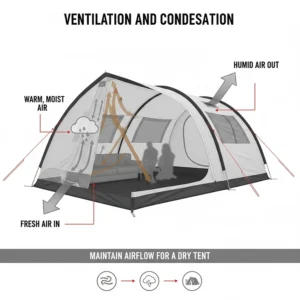
British humidity creates condensation challenges that plague poorly ventilated tents. As warm, moist air from breathing and body heat contacts cool tent fabric, water droplets form on interior surfaces. Wake to wet sleeping bags and damp belongings in badly ventilated tents, even when it hasn’t rained overnight. Effective ventilation systems prevent this miserable scenario.
Look for tents with multiple ventilation points positioned strategically: top vents allowing warm, moist air to escape; ground-level vents promoting air circulation; and vented porch areas preventing stagnant air pockets. Adjustable ventilation proves crucial—you’ll want different airflow for breezy summer evenings versus still, humid nights. The Coleman Valdes 6L receives particular praise for superior ventilation design, minimising condensation issues that plague many budget alternatives.
Quality ventilation doesn’t just prevent condensation. It regulates temperature, reduces cooking odours, and generally creates more pleasant living conditions. In Britain’s changeable climate, where mornings dawn cool and days warm rapidly, adjustable ventilation allows fine-tuning comfort throughout the day. Don’t underestimate this feature’s importance—it separates comfortable camping from damp endurance tests.
Pole Materials and Structural Integrity
Your tent’s structural system determines how well it withstands British weather’s notorious unpredictability. Traditional poled tents use either fibreglass or aluminium/steel poles, each with distinct advantages. Fibreglass poles offer lightweight flexibility and budget-friendly pricing but can snap under extreme stress. They work brilliantly for occasional camping in moderate conditions but demand careful handling.
Steel and aluminium poles provide superior strength and durability, essential for tents facing regular use or challenging conditions. They bend rather than break under stress and generally last longer than fibreglass alternatives. However, they add significant weight—a consideration if you’re carrying your tent any distance from the car park. Premium tents like the Berghaus Air 600XL bypass pole concerns entirely with inflatable AirBeam technology.
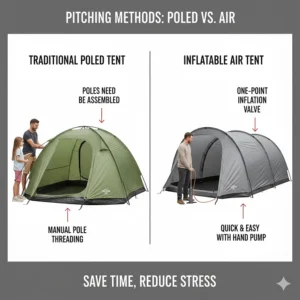
AirBeam systems use reinforced inflatable tubes providing structural support without traditional poles. Setup becomes remarkably quick—typically 10-20 minutes versus 30-45 minutes for complex poled designs. AirBeams eliminate pole breakage concerns and generally pitch more intuitively. The trade-off comes in weight (inflatable tents run heavier) and price (expect £100-300 premium over equivalent poled models). For families valuing convenience and willing to invest, AirBeams represent a genuine upgrade.
Fire Safety and UK Regulations
All tents sold in Britain must comply with BS 7837 fire safety requirements, ensuring fabrics incorporate fire-retardant treatments. According to Devon and Somerset Fire and Rescue Service guidelines, tent fires can destroy an entire tent in just 60 seconds—even fire-retardant models burn quickly. Reputable manufacturers include fire-retardant materials meeting British standards, but campers must still exercise caution.
Never use open flames inside tents, including candles and camping stoves. Position cooking equipment in well-ventilated porches or outdoors. Ensure electrical installations follow campsite regulations. Choose tents with emergency zippers accessible from inside—crucial if fire does occur. Some premium tents like the Coleman Meadowood include barrier-free access designs facilitating emergency evacuation.
Family Tent Pole Material Comparison
Fibreglass Poles: The Budget-Friendly Standard
Fibreglass poles dominate the family tent market for compelling reasons. Manufacturing costs remain low, keeping tent prices accessible for budget-conscious families. The material flexes considerably, allowing it to bend under wind stress rather than snapping immediately. This flexibility proves valuable during gusty conditions, though it also means fibreglass tents can feel slightly less rigid than premium alternatives.
The primary fibreglass limitation emerges during extreme conditions or with ageing. Repeated stress eventually creates weak points, and fibreglass poles can shatter suddenly when pushed beyond their limits. Cold weather makes the material more brittle, increasing breakage risk during autumn and early spring camping. Carry spare pole sections and repair sleeves when camping with fibreglass-poled tents—they’ll eventually save a trip.
Steel and Aluminium: Premium Durability
Steel poles provide exceptional strength and longevity, bending significantly before reaching breaking point. They resist UV degradation better than fibreglass and maintain performance characteristics for decades with minimal care. The substantial feel of steel-poled tents creates confidence during stormy weather—they simply feel more solid and secure than lighter alternatives.
Aluminium poles offer similar strength advantages whilst reducing weight considerably compared to steel. They resist corrosion brilliantly, particularly valuable in Britain’s damp climate and coastal camping locations. Premium hiking tents universally use aluminium poles for their optimal strength-to-weight ratio. For family tents where weight matters less than car-camping scenarios, steel often provides better value than aluminium’s premium pricing.
Inflatable AirBeam Technology
Vango pioneered inflatable tent technology, and today numerous manufacturers offer AirBeam options. The concept replaces traditional rigid poles with reinforced inflatable tubes. Setup involves connecting an included pump (manual or electric) to inflation valves, then pumping air into the beams until they reach proper pressure. The process typically takes 10-20 minutes and requires far less technical knowledge than traditional pole threading.
AirBeam advantages extend beyond setup convenience. The systems eliminate pole breakage concerns entirely—deflate damaged beams for repairs or replacements without emergency camping trips home. Inflatable structures often feel more stable in wind, as the air-filled tubes absorb and dissipate forces that might stress rigid poles. Packing can actually prove easier, as you’re not wrestling long pole sections into bags.
The technology’s not without trade-offs. Inflatable tents typically weigh more than equivalent poled models—those reinforced tubes and integrated inflation systems add kilograms. Prices run £100-400 higher than comparable poled tents. You’re dependent on the pump working (though manual backups exist for electric models), and punctured beams require repair or replacement. For families camping regularly who value convenience, these compromises often prove worthwhile.
How to Choose Family Tent: Step-by-Step Process
Step 1: Assess Your Actual Needs Honestly
Begin by evaluating your realistic camping patterns rather than optimistic aspirations. How many times annually will you actually camp? Weekend warriors need different tents than families planning month-long summer holidays. Consider your children’s ages—toddlers require different space configurations than teenagers. Think about typical group sizes: will you regularly camp with extended family or friends?
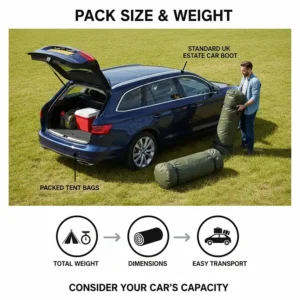
British weather demands honest assessment too. Families planning Scottish Highland adventures need superior waterproofing compared to those sticking to established Cornish campsites with facilities nearby. Consider your vehicle’s carrying capacity and whether you’ll need to walk any distance from parking to pitch. These practical realities should guide your decision far more than impressive marketing claims.
Step 2: Set a Realistic Budget Range
Quality family tents span £100 to £1,500+, with genuine value available at every price point. Budget £200-400 for decent entry-level tents suitable for occasional camping in moderate weather. Mid-range £400-700 tents offer superior materials, better waterproofing, and enhanced features for regular camping families. Premium £700+ options provide exceptional durability, advanced technologies, and confidence-inspiring performance for serious camping enthusiasts.
Remember that your tent represents just one camping expense. Factor in sleeping bags, mats, cooking equipment, and campsite fees when budgeting. That said, skimping on tent quality to save £100 proves false economy if you end up miserable and abandoning camping entirely. Buy the best tent you can reasonably afford, considering it an investment in family memories rather than a pure expense.
Step 3: Prioritise Your Must-Have Features
Create a written list distinguishing essential features from nice-to-haves. Essential might include: minimum 3,000mm waterproofing, standing height, sewn-in groundsheet, and separate bedroom compartments. Nice-to-haves could be: BlackOut bedrooms, electric hook-up points, multiple entrances, or specific colour preferences. This clarity prevents getting swayed by impressive but ultimately unnecessary features.
Consider your family’s specific pain points from previous camping experiences or anticipated challenges. If condensation plagued your last tent, prioritise ventilation systems. If setup arguments nearly ended camping altogether, consider inflatable options. If morning sun wakes children too early, darkness technology becomes essential rather than optional. Your unique circumstances matter more than generic recommendations.
Step 4: Research and Shortlist Options
With budget and requirements clear, begin researching specific models. Amazon.co.uk provides excellent starting points with verified UK customer reviews revealing real-world performance. Filter for purchases from the past 6-12 months ensuring reviews reflect current manufacturing quality rather than discontinued older versions. Pay particular attention to UK-specific feedback mentioning British weather, campsite experiences, and long-term durability.
Read professional reviews from camping publications and YouTube channels testing tents in actual use. Look for testing that matches your intended conditions—Scottish Highland reviews matter more for adventurous families than glowing reports from Mediterranean summer camping. Create a shortlist of 3-5 tents meeting your requirements, then visit physical retailers when possible to inspect build quality and internal space.
Step 5: Consider Long-Term Value
The cheapest tent rarely proves the best value over multiple seasons. Calculate cost-per-use rather than just upfront expense. A £600 tent used 20 times annually for five years costs just £6 per camping trip—remarkable value for quality shelter. That £150 budget tent needing replacement after two seasons actually costs more whilst providing inferior experiences.
Factor in repairability and spare parts availability. Brands like Vango, Coleman, and Berghaus offer UK-based customer service and readily available replacement components. This matters enormously when fibreglass poles snap or zippers fail mid-season. Warranty coverage provides additional peace of mind—look for minimum 2-year warranties on quality tents, with some premium models offering 5+ years protection.
Waterproofing Maintenance and Care
Initial Waterproofing and Seasoning
New tents benefit from initial seasoning before your first camping trip. Pitch your tent in the garden during light rain, allowing seams to swell slightly and waterproof treatments to activate fully. This practice reveals any manufacturing defects whilst you can still easily arrange returns or warranty claims. It also familiarises you with setup procedures in low-stress conditions rather than fighting instructions in approaching darkness at campsites.
Some campers apply additional seam sealer to factory-sealed joints, particularly on budget tents where initial sealing quality varies. Nikwax Tent & Gear SolarProof or Grangers Tent + Gear Repel UV provide excellent protection for both new and older tents. Follow manufacturer instructions carefully—over-application can actually reduce breathability and increase condensation problems.
Seasonal Care and Reproof Schedules
Britain’s UV exposure gradually degrades waterproof coatings even when you’re not using your tent. Plan to reproof flysheets every 2-3 years for tents seeing regular use, or every 4-5 years for occasional campers. Signs that reproofing is needed include water no longer beading on fabric surfaces, visible fabric fading, or water seeping through previously waterproof areas during rain.
Before reproofing, thoroughly clean your tent using Grangers Tent + Gear Cleaner or Nikwax Tent & Gear SolarWash. These specialised cleaners remove dirt and oils without damaging waterproof coatings like standard detergents would. Allow the tent to dry completely—attempting to waterproof damp fabric proves ineffective and wastes products. Apply reproofing treatments on dry, warm days, following product instructions precisely for optimal results.
Storage Best Practices
Never store wet tents—this cardinal rule prevents mould, mildew, and permanent fabric damage. After camping trips, pitch your tent in the garden or spread it indoors until completely dry. This often takes 24-48 hours depending on weather conditions. Damp storage causes irreversible damage within weeks, ruining even premium tents.
Store tents loosely in breathable bags rather than compression sacks when possible. Tight packing creates creases weakening fabric fibres over time. Keep stored tents in cool, dry locations away from direct sunlight and heat sources like radiators. Attics often prove too hot during summer; cool garages or under-bed storage work better. Check stored tents periodically for signs of moisture or pest damage, addressing issues immediately.
Understanding UK Tent Regulations and Standards
BS 7837 Fire Safety Requirements
British Standard 7837 establishes fire safety requirements for tent fabrics sold in the UK. Compliant fabrics must resist ignition and self-extinguish when flame sources are removed, providing crucial seconds for evacuation during emergencies. All tents legally sold in Britain must meet these standards, though enforcement and compliance verification vary.
Reputable manufacturers clearly state BS 7837 compliance on product specifications and packaging. Budget imports from non-UK suppliers sometimes lack proper fire-retardant treatments despite listing compliance. When purchasing, verify the seller’s UK base and check for BS 7837 marking on the actual tent labels. Fire safety represents one area where saving £50 on questionable imports proves utterly foolish.
Campsite Regulations and Requirements
British campsites implement various regulations affecting tent choice. Many sites require minimum 3-metre spacing between tents for fire safety, favouring compact designs over sprawling models. Coastal and exposed sites often restrict tent heights, concerned about visual impact and wind resistance. Check specific campsite rules before purchasing unusually large or tall tents.
Some premium campsites prohibit budget tents or require minimum specifications, though this remains relatively rare in Britain compared to Continental Europe. Festival camping often permits any tent type, though quick-pitch designs prove immensely valuable for reducing setup stress. Understanding where you’ll camp most frequently helps guide tent selection appropriately.
Tent Accessories Worth Considering
Footprint Groundsheets: Essential Protection
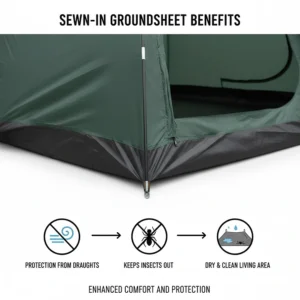
A footprint groundsheet positioned beneath your tent extends your integrated groundsheet’s lifespan dramatically. These heavy-duty sheets cost £20-60 depending on size and quality but prevent premature wear from sharp stones, roots, and abrasive ground surfaces. They’re particularly valuable for tents costing £300+, where groundsheet replacement proves expensive and complex.
Quality footprints feature reinforced corners and precisely match your tent’s dimensions, preventing water pooling on edges. Some manufacturers sell tent-specific footprints, whilst universal options work brilliantly when sized correctly. Budget-conscious campers successfully use basic tarpaulins, though purpose-made footprints offer better fit and durability. Consider this £30-40 investment mandatory for any premium tent.
Carpet and Insulation Options
Tent carpets transform cold, hard groundsheets into comfortable living spaces. They provide insulation from ground chill, reduce noise from movement, and create homely ambiance. Breathable tent carpets (avoid non-breathable plastics trapping moisture) cost £30-80 for family tent sizes. They’re particularly valuable for extended trips or autumn/spring camping when ground temperatures drop significantly.
Some families invest in insulated tent footprints combining groundsheet protection with thermal insulation. These typically cost £50-100 but dramatically improve comfort during cooler months. For summer-only camping, standard carpets provide adequate comfort and warmth. Consider your typical camping season when deciding whether enhanced insulation justifies additional expense.
Electric Hook-Up Equipment
Many UK campsites offer electric hook-up points, transforming camping comfort enormously. You’ll need an approved camping electric lead (typically 25 metres), adaptor for converting campsite sockets to standard UK plugs, and circuit breaker for safety. Quality camping electric kits cost £40-80 and provide years of reliable service.
Electric hook-ups enable lights, phone charging, electric heating, and even small appliances depending on campsite power limits (typically 6-10 amps in Britain). Some premium tents include cable entry points specifically designed for electric connections. Never run extension cables under groundsheets or through zip closures—proper cable entry prevents damage and maintains waterproof integrity.
Seasonal Camping Considerations
Spring and Autumn Camping Requirements
British spring and autumn offer beautiful camping with fewer crowds, but demand different tent specifications than summer trips. Cooler temperatures make darkness bedrooms less critical for temperature regulation, though they still provide valuable morning sleep. Waterproofing becomes more important—April and October often bring sustained rain rather than brief summer showers.
Ventilation remains crucial despite cooler temperatures. Cold nights create significant condensation as warm breath meets cold tent fabric. Ensure your tent offers adjustable ventilation allowing airflow without creating uncomfortable drafts. Some families add thermal liners to sleeping compartments, improving warmth retention whilst maintaining essential ventilation. Spring and autumn camping rewards those investing in quality 3,000mm+ waterproofing and thoughtful ventilation design.
Winter Camping Capabilities
Winter camping pushes family tents beyond their comfort zones. Most family tents are designed for 3-season use (spring through autumn), lacking insulation and structural integrity for snow loads and winter storms. If winter camping appeals, consider 4-season tents with reinforced poles, lower profiles resisting wind, and superior insulation properties.
That said, careful winter camping remains possible with quality 3-season family tents in sheltered locations. Pitch in woodland clearings or valley bottoms avoiding exposed ridges. Use thermal groundsheets and insulated sleeping gear rated for expected temperatures. Accept that you’ll spend more time inside, so generous living space becomes even more valuable. Winter camping demands experience and proper preparation—it’s not recommended for camping novices regardless of tent quality.
FAQ: Your Family Tent Questions Answered
❓ How many people can actually sleep in a 6-person tent comfortably?
❓ What hydrostatic head rating do I need for UK camping?
❓ Are inflatable tents better than traditional poled tents?
❓ How long should a quality family tent last?
❓ Can I use a family tent for festival camping?
Choosing the perfect family tent represents far more than selecting shelter specifications from catalogues. You’re investing in experiences, creating conditions for brilliant family memories, and establishing your camping style for years to come. Throughout this comprehensive family tent buying guide, we’ve explored everything from hydrostatic head ratings and berth sizing to pole materials and seasonal considerations—all aimed at helping you make genuinely informed decisions.
The seven tents reviewed here represent exceptional options currently available on Amazon.co.uk, spanning £85 budget-friendly options through £1,200 premium performers. Each serves specific needs brilliantly, whether you’re prioritising darkness technology, superior waterproofing, quick setup, or polycotton breathability. Remember that the “best” tent depends entirely on your unique circumstances—family size, camping frequency, typical conditions, and budget realities.
British camping rewards preparation and quality equipment. Our unpredictable weather demands proper waterproofing, thoughtful ventilation, and robust construction. Don’t compromise on these fundamentals whilst chasing unnecessary features. A well-chosen tent transforms potentially miserable experiences into comfortable adventures, encouraging your family to embrace outdoor living season after season. Take time researching, visit retailers when possible, and trust that investing in quality shelter proves worthwhile every single camping trip. Your perfect family camping haven awaits—choose wisely, pitch confidently, and create those treasured memories that make British family camping utterly magical.
✨ Ready to Transform Your Family Camping?
🏕️ Don’t let another season pass without the perfect family tent. The models featured in this guide represent the best options currently available on Amazon.co.uk, each tested in genuine UK conditions. Click any highlighted tent name above to check today’s pricing, read verified customer reviews, and secure your family’s camping future. British weather won’t wait—neither should you!
Recommended for You
- 7 Best Roof Top Tents UK 2026: Expert Reviews & Budget to Premium
- 7 Best 4 Season Tents UK Weather Tested 2026
- 7 Best Ultralight Tents UK 2026
Disclaimer: This article contains affiliate links. If you purchase products through these links, we may earn a small commission at no additional cost to you. Prices shown are approximate and may vary.
✨ Found this helpful? Share it with your mates! 💬🤗
